Women are spending as much as 150 euros for laser hair removal, but Croatia’s latest inspections show the fast-growing beauty treatment is still being sold in some salons without the permits and safety checks needed to keep customers safe.
Croatia laser hair removal salons face inspection issues
That is the real investor story here: a popular, high-margin consumer service is expanding quickly, yet the regulatory framework is catching up unevenly. Croatia’s sanitary inspectorate checked 112 salons nationwide and found irregularities in 17% of them, sealing 19 devices and opening misdemeanor proceedings against owners. For a business built on trust, repeat visits and premium pricing, even a small number of non-compliant operators can damage the category’s reputation and pressure the salons that do follow the rules.
Sentiment IndicatorsⓘProprietary · adalytica.com · September 25, 2026
This is a snapshot — live sentiment, awareness and momentum for 130+ markets update continuously in the dashboard.Open AlphaPulse
The economics are straightforward. Laser hair removal is no longer a niche beauty indulgence; it has become a mass-market service with treatment prices typically ranging from 50 to 150 euros depending on the body area and salon. That pricing supports attractive revenue per client, which helps explain why the number of laser devices in Croatia has reportedly climbed about 400% over 17 years and why the health ministry issued 850 permits in 2026 alone. In other words, demand is rising because consumers see the treatment as a recurring convenience, not a one-off luxury.
But rapid growth also brings weak links. Authorities say some salons were using devices without the required approvals, while dermatology specialists warn that poor training or counterfeit equipment can cause burns, infections and even permanent eye damage. That matters economically because one widely publicized injury or enforcement sweep can shift consumer behavior away from lower-cost independent operators and toward larger, better-capitalized clinics with stronger compliance procedures. It also raises the cost of doing business for the sector, from inspections and certifications to staff training and equipment validation.
For investors, the broader lesson is that beauty and personal-care demand can be resilient, but not every player in the value chain benefits equally. Equipment importers, accredited testing labs and salons that can prove compliance may gain share as consumers become more selective. Smaller operators that cut corners risk fines, closures and reputational damage. The same applies to consumer brands and distributors tied to professional beauty services: category growth is attractive, but only if safety and regulation keep pace.
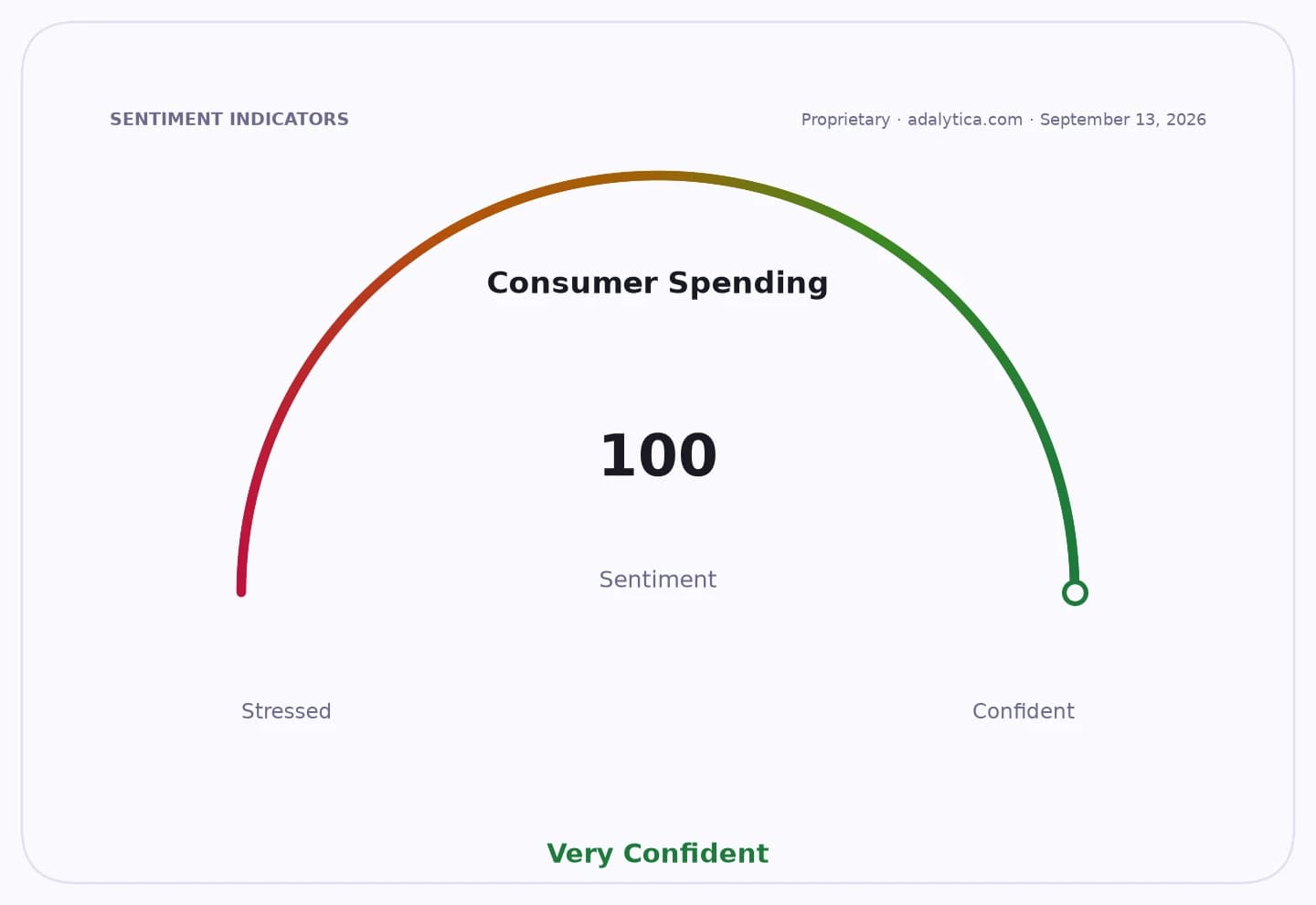
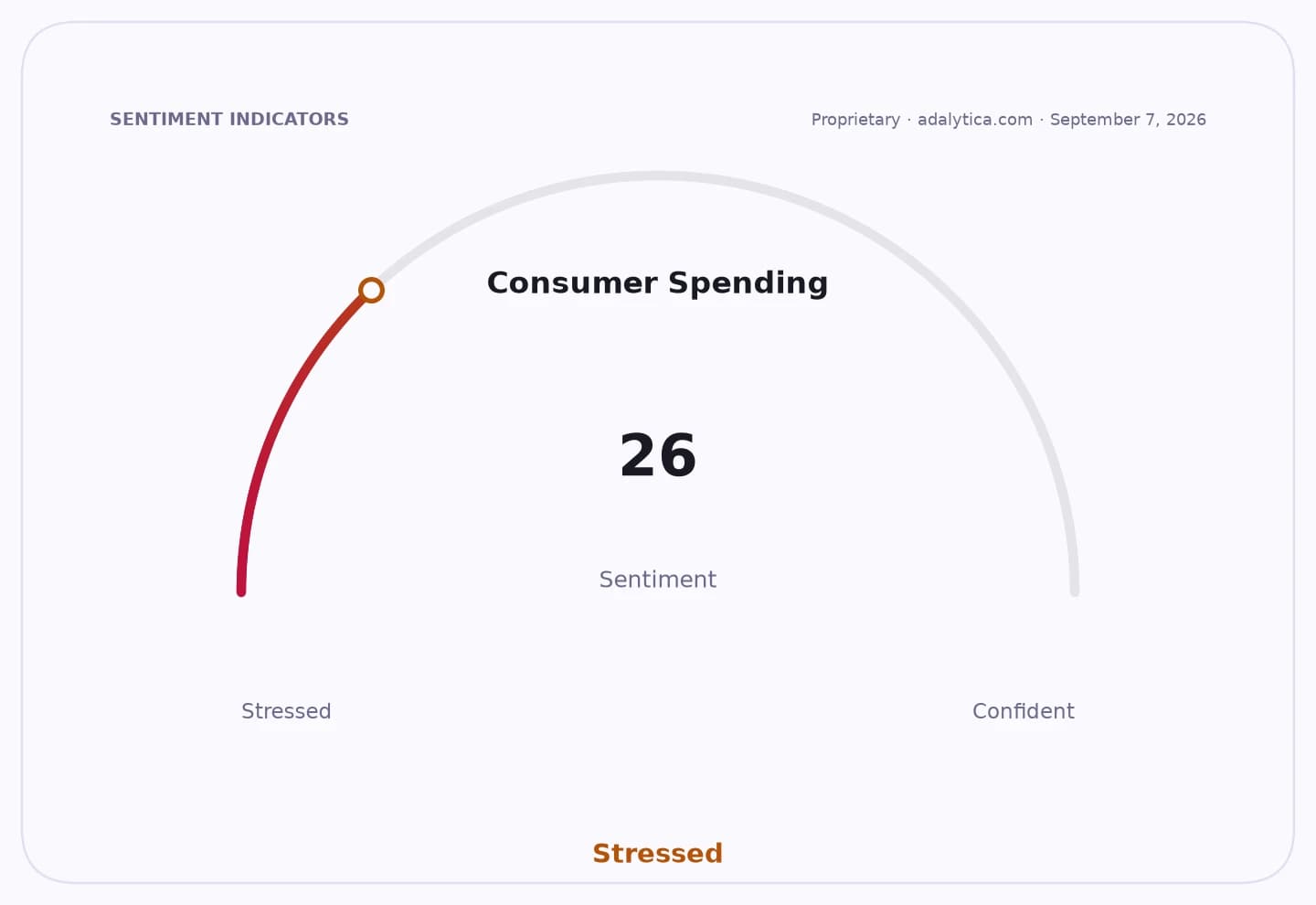
Adalytica’s Consumer Spending Sentiment gauge points to an audience still willing to spend, even as awareness remains extremely low. That combination often supports premium services, but it also suggests buyers may not fully appreciate the risks until regulators force the issue. Over time, this should favor salons that can document their permits, use properly tested devices and market quality rather than just price.
For long-term investors, the takeaway is simple: this is still an attractive beauty category, but the winners will be the businesses that treat compliance as part of the product. In a market where customers are paying up to 150 euros a session, trust may prove as valuable as the treatment itself.
| Entity | Gains | Losses |
|---|---|---|
| Compliant salons | ▲More trust and repeat business | ▼Less room for cheap shortcuts |
| Non-compliant salons | ▲Short-term revenue | ▼Fines and shutdown risk |
| Consumers | ▲Safer services over time | ▼Higher prices from stricter oversight |
| Testing labs and regulators | ▲More demand for approvals | ▼More enforcement workload |