Britain’s attempt to turn itself into an AI infrastructure hub has run into a basic constraint: the grid cannot yet supply enough electricity to power Nscale’s planned £26 billion data-center buildout in Essex, pushing the Nvidia-backed project back years and exposing a wider bottleneck that could slow the country’s AI ambitions.
Nscale UK data center delayed by grid capacity
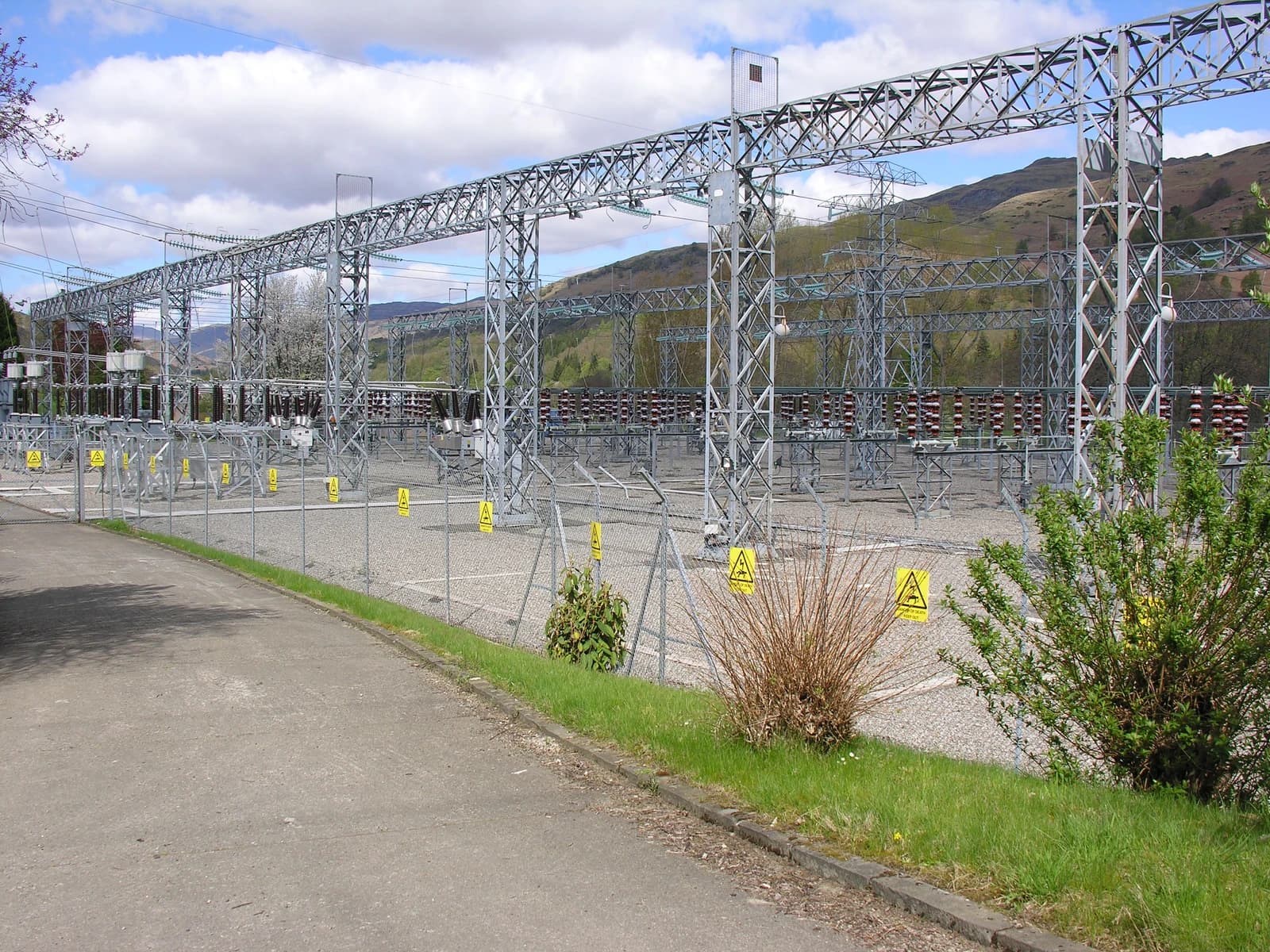
The immediate significance is not just that one flagship site is slipping. It is that the UK’s power system is now the limiting factor for a wave of data-center investment that policymakers have treated as a pillar of growth, industrial strategy and digital sovereignty. Nscale said its Loughton site, promoted as the country’s largest AI supercomputer, needs 90 megawatts of power — roughly the consumption of 315,000 homes — but UK Power Networks has warned the site will not get enough grid capacity until the early 2030s.
Sentiment IndicatorsⓘProprietary · adalytica.com · October 3, 2026
This is a snapshot — live sentiment, awareness and momentum for 130+ markets update continuously in the dashboard.Open AlphaPulse
That delay matters economically because AI infrastructure is becoming increasingly capital-intensive and increasingly dependent on reliable access to cheap electricity, land and grid connections. Nscale, which counts Nvidia among its investors, has already raised about £2.55 billion in pre-IPO funding and is preparing a £26 billion public listing. If a project at the heart of Britain’s AI pitch cannot secure power on schedule, it raises questions about whether the rest of the pipeline can be delivered without expensive workarounds such as on-site generation, phased buildouts or major grid upgrades.
The problem is not isolated. Ofgem said in June that 315 data centers were waiting for National Grid connections, representing 73 gigawatts of demand — more than 60% above the UK’s current 45GW capacity. The backlog underscores a structural mismatch between AI demand and the country’s infrastructure. Over the past 25 years, Britain has leaned more heavily on renewables, reduced its reliance on nuclear and used gas as a fallback. The AI buildout is now testing whether that mix can support a new class of large-scale industrial users that need uninterrupted baseload power.
For investors, the delay is relevant in several ways. Nvidia has become one of the market’s clearest beneficiaries of the AI spending boom, and its share price has reflected that enthusiasm even as technical indicators point to a stretched setup, with the stock trading well above its 50-day and 200-day moving averages and RSI readings elevated. But the UK episode is a reminder that demand for chips does not automatically translate into deployable capacity. Customers can buy GPUs, but they still need power, permits and grid hookups to use them at scale.
The wider investment case for neocloud providers such as Nscale also becomes more complicated. Their business models depend on rapidly converting capital into usable AI computing capacity. If connections slip by years, returns on pre-IPO funding, expansion timetables and customer commitments all come under pressure. That may favor companies with access to captive power, existing utility relationships or the balance sheet to build their own generation, while disadvantaging projects that rely on congested public networks.
There is also a policy angle. Starmer had cited the Loughton project as part of his AI strategy, which means the delay will be read as evidence that Britain’s industrial policy is outpacing its infrastructure planning. The market implication is that governments promising AI-led growth may increasingly be judged less by the scale of announced investments than by the speed of physical delivery. Unless the UK accelerates grid connections or allows more private generation, a growing share of planned data-center capacity may remain stuck in the queue.
| Entity | Gains | Losses |
|---|---|---|
| UK utilities/grid operators | ▲Time to manage demand | ▼Pressure to speed connections |
| Nscale | ▲Long-term policy attention | ▼Project timeline, returns |
| Nvidia | ▲Continued AI demand narrative | ▼Infrastructure bottlenecks near customers |
| UK policymakers | ▲Incentive to upgrade grid | ▼Credibility on AI strategy |