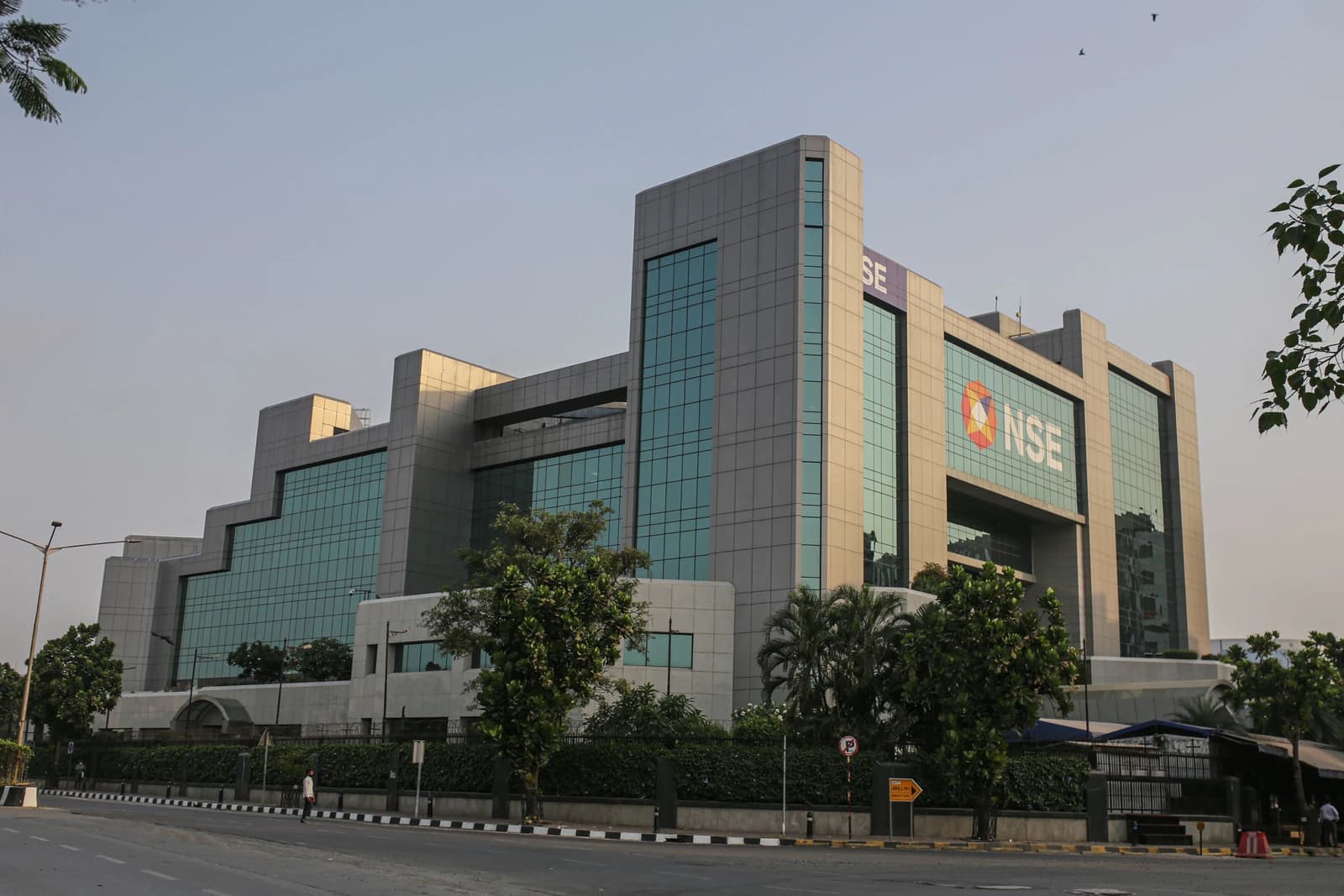
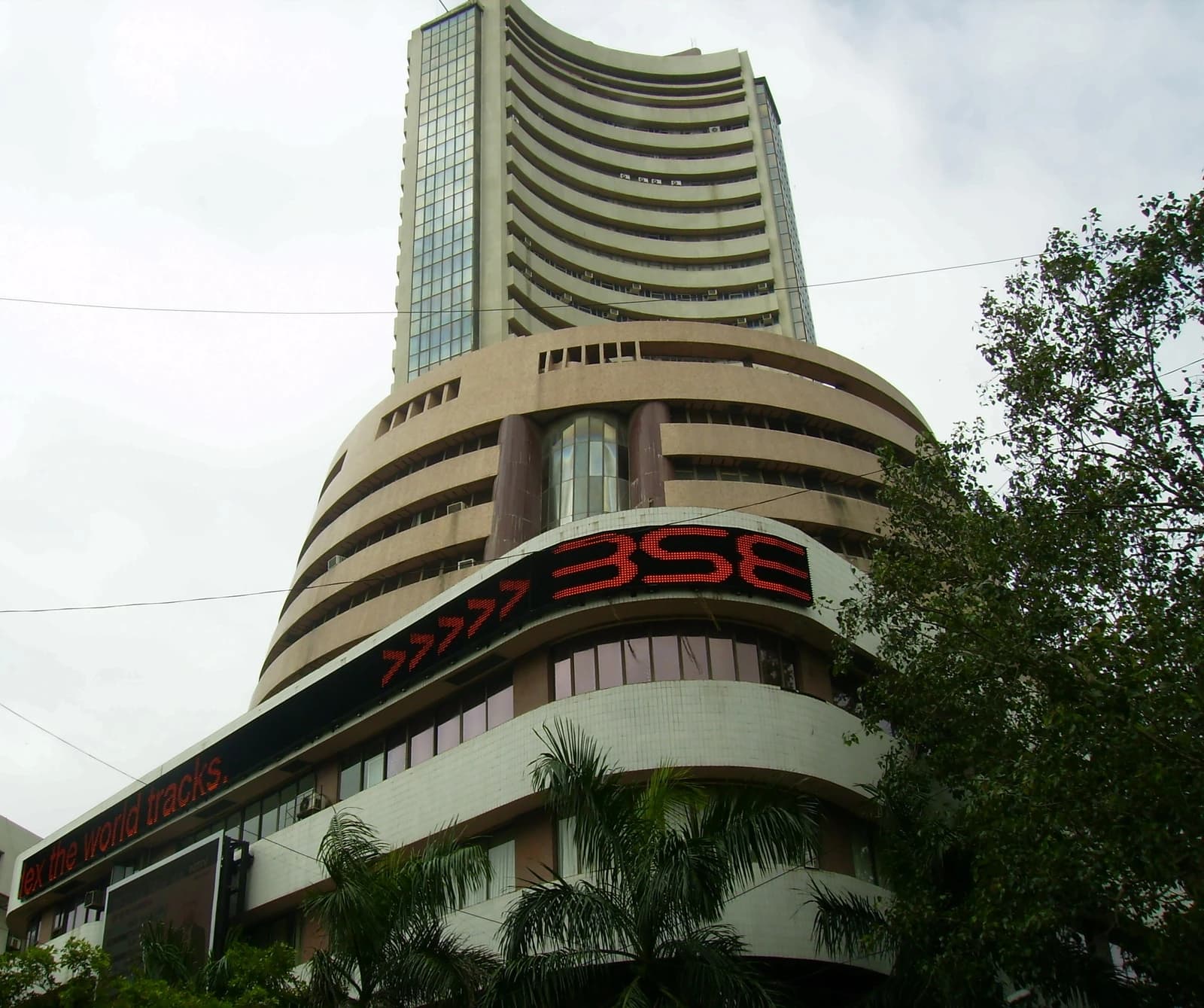
The National Stock Exchange’s long-awaited debut on the BSE today is more important than the modest listing pop: it marks the public pricing of India’s market infrastructure crown jewel, a business that sits on the country’s trading, clearing and data rails and now gives investors direct exposure to the engine behind India’s capital markets boom.
NSE Lists on BSE After ₹22,562 Crore IPO

The stock opened around ₹1,800, only slightly above the ₹1,785 upper end of the issue price band, after grey-market signals had cooled to about a 2.4% premium from roughly 4% earlier. That points to limited day-one upside, but it does not diminish the significance of the listing itself. This was a ₹22,562 crore offer, one of the largest in Indian market history, and it was sold entirely as an offer for sale, meaning the proceeds went to existing shareholders rather than to the exchange. For investors, that matters: they are not buying a promise of future capital use, but a slice of a toll-road business with entrenched market share and recurring transaction-driven economics.
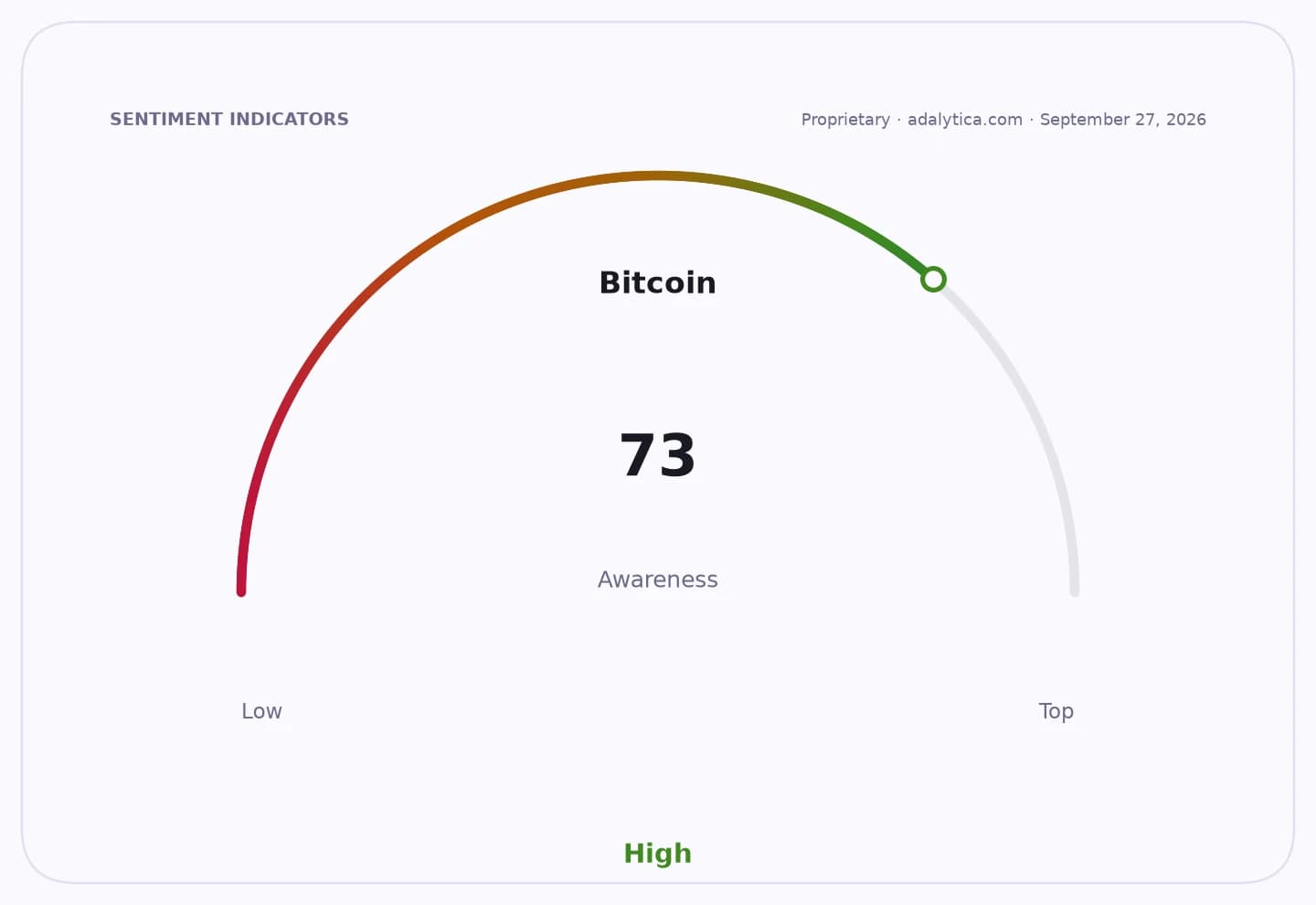
Sentiment IndicatorsⓘProprietary · adalytica.com · September 29, 2026
This is a snapshot — live sentiment, awareness and momentum for 130+ markets update continuously in the dashboard.Open AlphaPulse
The subscription numbers underline that conviction. The issue was covered 5.71 times overall, led by qualified institutional buyers at 12.68 times, with non-institutional demand at 6.55 times and retail investors filling their quota 1.39 times. In a market where large listings often struggle to sustain excitement, that breadth of demand signals confidence in the exchange’s moat rather than a pure speculative chase.
That moat is unusually wide. NSE controls about 93% of India’s cash market, 99.7% of equity futures and 68.5% of equity options premium turnover, according to the data in the prospectus context. It also has more than 13.24 crore registered investors, 1,328 trading members and more than 3,000 listed companies with a combined market value of roughly ₹474.1 trillion. In other words, this is not just another financial stock — it is the platform through which Indian equity liquidity largely flows.
That is why the listing matters economically. A public NSE gives the market a cleaner read on the value of the trading, data and listing franchise that underpins India’s capital formation. It also broadens the investable universe for institutions looking for structural exposure to India’s financialization theme: more demat accounts, more derivatives activity, more index licensing and more data monetization. If the market keeps deepening, NSE benefits regardless of which broker wins the next client or which company raises the next round.
For investors, the immediate question is not just whether the first trade is profitable, but whether NSE becomes a compounding infrastructure asset in public hands. The exchange’s scale suggests that earnings growth can remain resilient even if volumes normalize from peaks, because transaction platforms like this are leveraged to participation, not just direction. The listing also creates a benchmark for future market-structure and financial-services offerings in India, potentially encouraging more large, high-quality firms to test public markets.
The broader narrative is straightforward: India is turning its capital markets into a secular growth story, and NSE is the fee collector at the center of it. The first-day premium may be muted, but the long-term thesis is not. For investors looking beyond the debut, the real opportunity is owning the infrastructure behind India’s market expansion, not chasing the opening print.
| Entity | Gains | Losses |
|---|---|---|
| NSE shareholders | ▲Public valuation | ▼Private-only upside |
| Institutional buyers | ▲Strategic exposure | ▼Short-term listing pop |
| Retail investors | ▲Access to market leader | ▼Big initial gains |
| Competing exchanges/brokers | ▲Higher market participation | ▼NSE liquidity dominance |