Macquarie has drawn a clear line through India’s capital markets — buy the exchanges and platform winners, and be careful with the brokers facing tougher competition.
Macquarie starts NSE, BSE, MCX, Groww, Angel One
That matters because the brokerage’s new coverage lands at a moment when India’s financialization story is still deepening, trading volumes remain structurally important, and investors are looking for businesses that can compound cash flow as more households and institutions shift into markets.
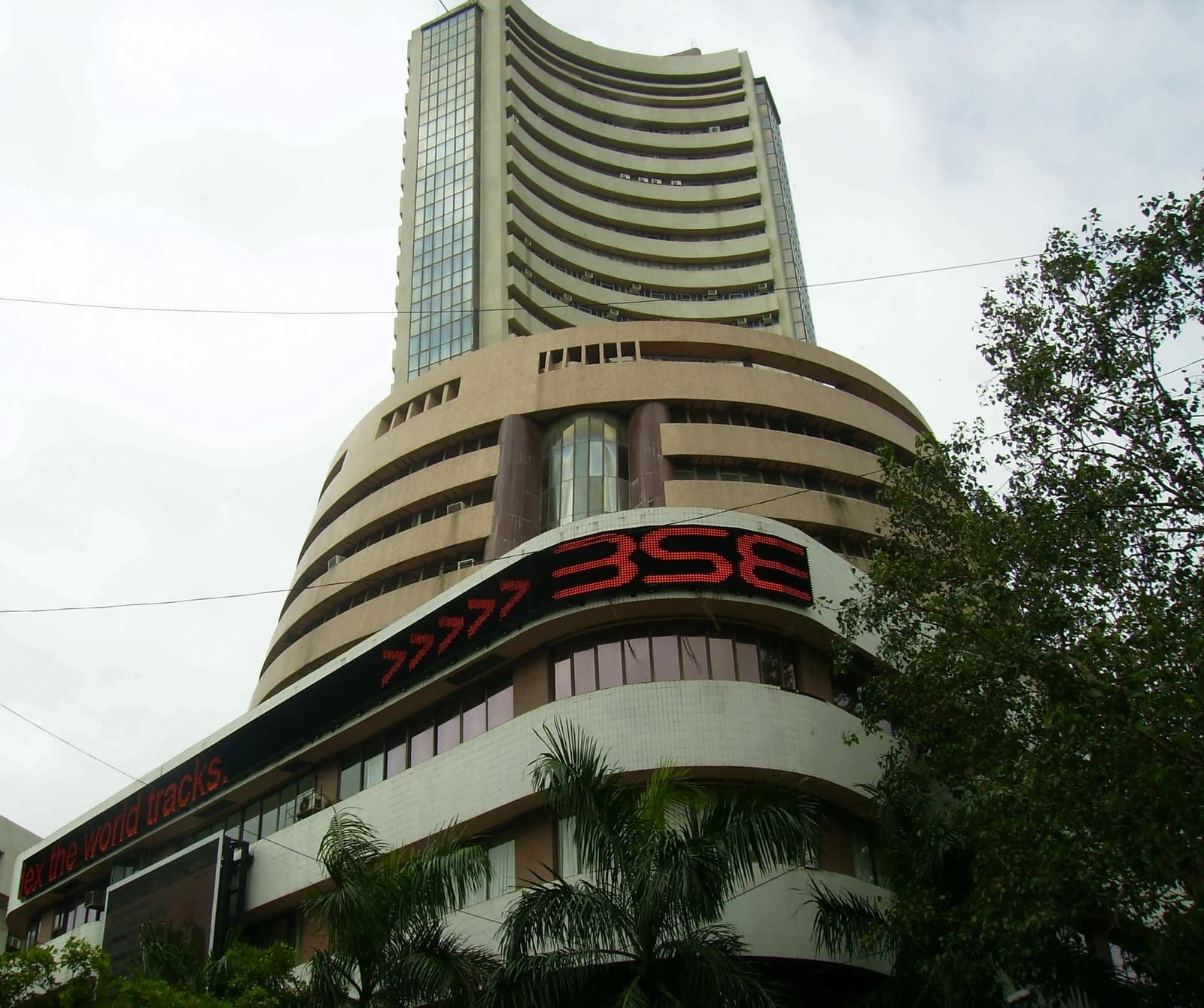
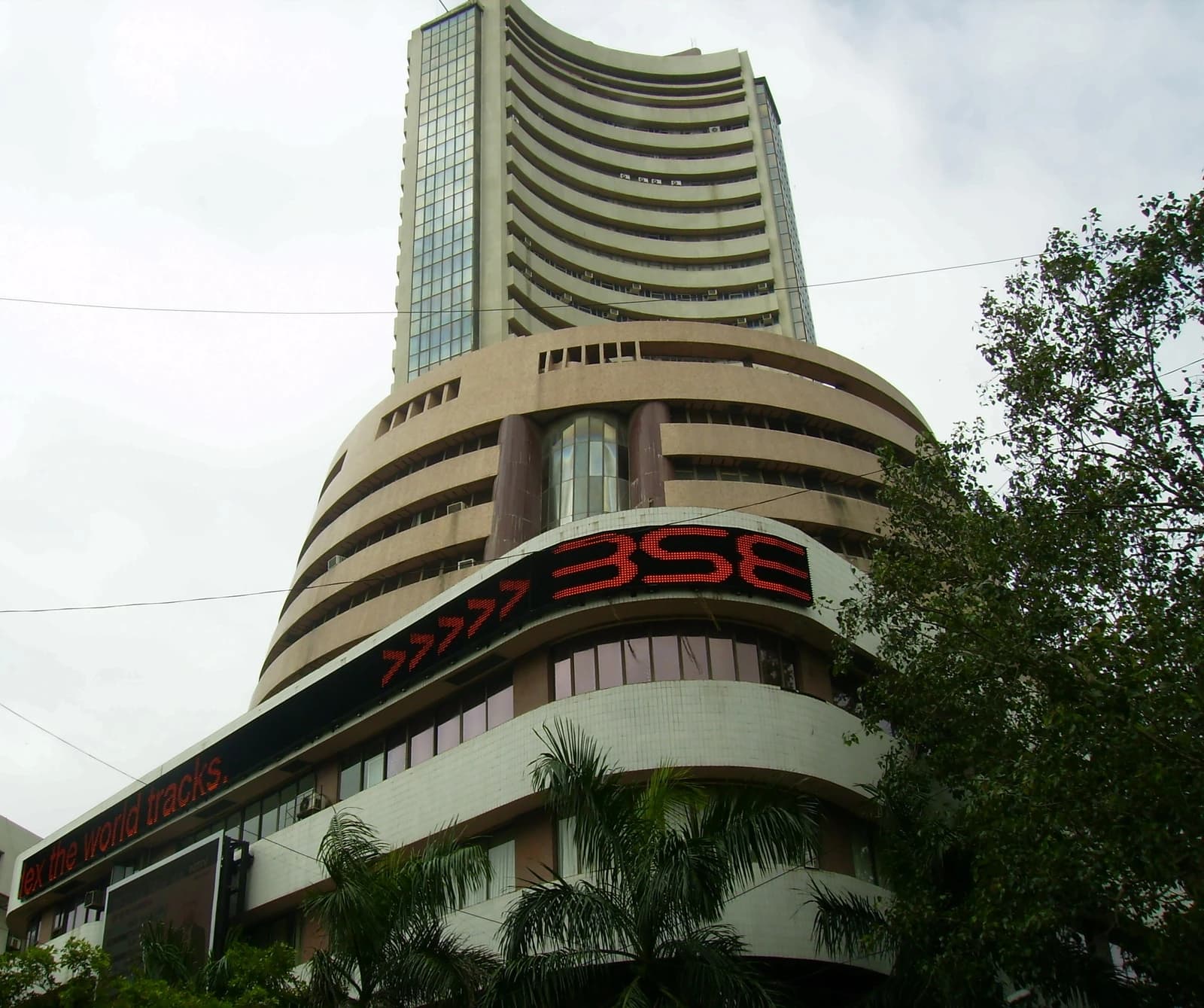
The firm initiated coverage on five listed capital market names on Thursday, including the National Stock Exchange, Bombay Stock Exchange, MCX, Billionbrains Garage Ventures, the parent of Groww, and Angel One. Four of them earned buy-equivalent ratings. Groww got the most bullish call, with Macquarie assigning an “outperform” rating and a price target of ₹260, implying 39% upside. BSE followed with a target of ₹4,000, or 22% upside. MCX was rated “outperform” with a target of ₹3,820, while NSE — on the day of its stock market debut — got an “outperform” rating and a target of ₹1,965, suggesting about 11% upside from its issue price.
For long-term investors, the message is less about a one-day analyst call and more about where the durable economics sit in India’s market plumbing. Exchanges and trading platforms tend to win when participation grows, liquidity deepens and fixed costs are spread over larger volumes. That is why Macquarie’s language matters: it described NSE as “The Dominator,” citing its market share, deep liquidity and profitability; BSE as “The Challenger,” with revenue and margin optionality from its push into index options; MCX as “The Phoenix,” after rebuilding from a near-death phase to dominate commodity trading; and Groww as “The Disruptor,” with a platform model that could keep widening margins as users scale.
That growth flywheel is the heart of the investment case. In markets like these, the best businesses are often not the ones with the flashiest short-term earnings swing, but the ones that can turn more activity into more cash, repeatedly, without needing to chase balance-sheet risk. Macquarie sees that in Groww’s platform model and BSE’s expanding options franchise, while it sees a more established moat in NSE’s network effect and MCX’s first-mover advantage.
Angel One stands apart. Macquarie initiated coverage with a neutral rating and a target of ₹285, implying about 5% downside. The broker flagged competition, earnings sensitivity to lower volumes and a higher dependence on float income. In plain English, that means the business has less protection if trading activity cools or rivals take share.
The backdrop is already telling. BSE shares are up 25% this year, Angel One 26%, MCX 53% and Groww 21%. Investors have been rewarding firms tied to India’s market participation trade, and Macquarie’s call reinforces that the opportunity is real — but uneven. The strongest businesses are the ones with scale, technology, liquidity and recurring economics. The weaker ones are the ones that still depend too heavily on volume swings and competition.
If you’re building a long-term portfolio, that is the takeaway worth remembering: in a rising capital-markets ecosystem, ownership of the infrastructure can be more attractive than ownership of the most crowded end-user trade. These names are worth watching, but the better long-term stories still look like the ones with moats, cash generation and the ability to compound through cycles.
| Entity | Gains | Losses |
|---|---|---|
| NSE | ▲Market-leading liquidity | ▼Listing-day scrutiny |
| BSE, MCX, Groww | ▲Higher upside targets | ▼Need execution to justify ratings |
| Angel One | ▲Existing market participation tailwinds | ▼Competition and volume sensitivity |
| Long-term investors | ▲Exposure to India financialization | ▼Chasing weaker broker economics |