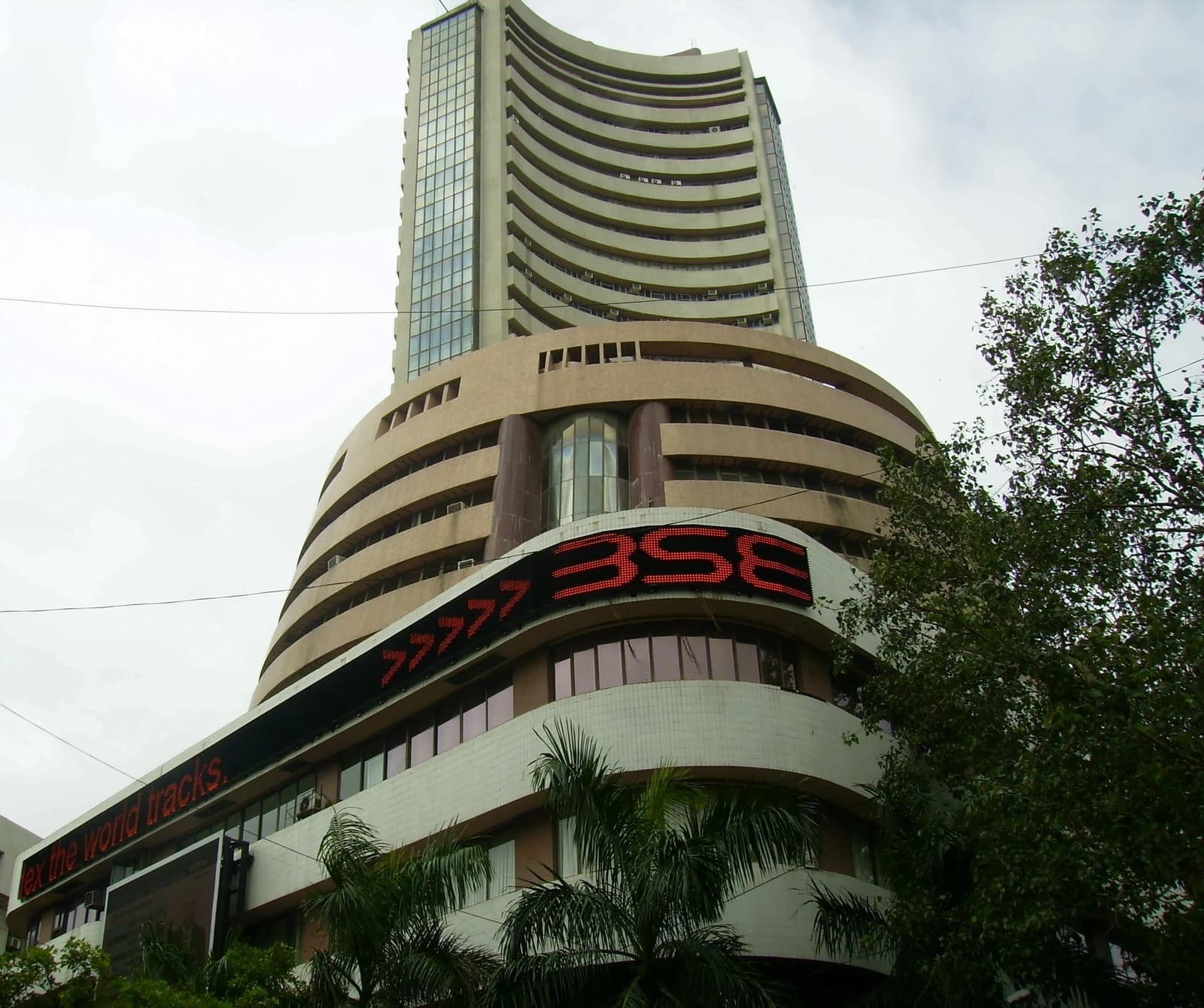
India’s National Stock Exchange will make late pre-open trading more restrictive from September 7, a change aimed at reducing opening-price distortions and giving investors less room to fire in market orders just before the cash session begins.
NSE changes pre-open trading rules from Sept. 7

The new framework keeps the 15-minute pre-open auction intact, but splits the order-entry window into two parts: from 9:00 a.m. to 9:05 a.m. traders may place, modify or cancel both market and limit orders, while from 9:05 a.m. to 9:10 a.m. only limit orders will be accepted. Any market order entered in the second window will be rejected. The opening auction itself will run from 9:10 a.m. to 9:12 a.m., followed by a three-minute transition before normal trading starts at 9:15 a.m.
Sentiment IndicatorsⓘProprietary · adalytica.com · September 7, 2026
This is a snapshot — live sentiment, awareness and momentum for 130+ markets update continuously in the dashboard.Open AlphaPulse
The practical effect is that traders who wait until the end of the pre-open will have to name their price instead of relying on the exchange to fill them at the best available level. That matters most on volatile mornings, when index futures, overseas cues or corporate news can leave stocks gapping sharply at the open and market orders can chase prices farther than intended. By forcing late buyers and sellers into limit orders, the NSE is trying to curb the kind of abrupt price swings that can distort the discovery of an opening print.
For institutions and high-frequency desks, the rule change raises the cost of aggressiveness at the open, especially in names where liquidity is thin and the opening auction sets the tone for the day. For retail investors, it should reduce the odds of unpleasant fills caused by last-minute market orders, but it also means fewer guaranteed executions in the final minutes before trading starts. The exchange is also preserving a random close in the last two minutes of the second window, a feature designed to reduce gaming around the cutoff and improve fairness in the auction.
The move brings the opening mechanism closer to the closing auction session, where order collection and matching are already governed by a more structured process. In market terms, that is an attempt to make price discovery at the open more orderly and less susceptible to end-of-window volatility, particularly on days when global risk sentiment is unstable. In that sense, the rule change is less about administration than market microstructure: better auction design can limit noise at the most sensitive point of the trading day.
For investors, the main implication is that opening prices may become marginally cleaner, with less chance of late-stage order imbalances producing erratic prints. The biggest beneficiaries are price-sensitive participants who use limits as a discipline; the biggest losers are traders relying on speed and guaranteed execution at the last minute. If the change works as intended, it could improve confidence in the opening auction across India’s equity market, even if it slightly reduces convenience for impatient orders.
| Entity | Gains | Losses |
|---|---|---|
| NSE / market structure | ▲Cleaner opening auction | ▼Less flexible order flow |
| Limit-order traders | ▲Better price control | ▼Lower execution certainty |
| Market-order traders | ▲None | ▼Rejected late orders |
| Retail investors | ▲Fewer distorted fills | ▼Less convenience at the open |