Sydney’s AI data centre buildout is running into a political and regulatory wall, with a parliamentary inquiry warning that fast-track approvals are pushing large facilities into densely populated suburbs before the state has put adequate planning, energy and water rules in place.
NSW inquiry warns on Sydney data centre approvals

That matters because the clash now extends beyond local nuisance complaints. It goes to whether New South Wales can host the power-hungry infrastructure required by AI without triggering a broader backlash that slows investment, raises project costs and forces developers to rethink where and how they build.
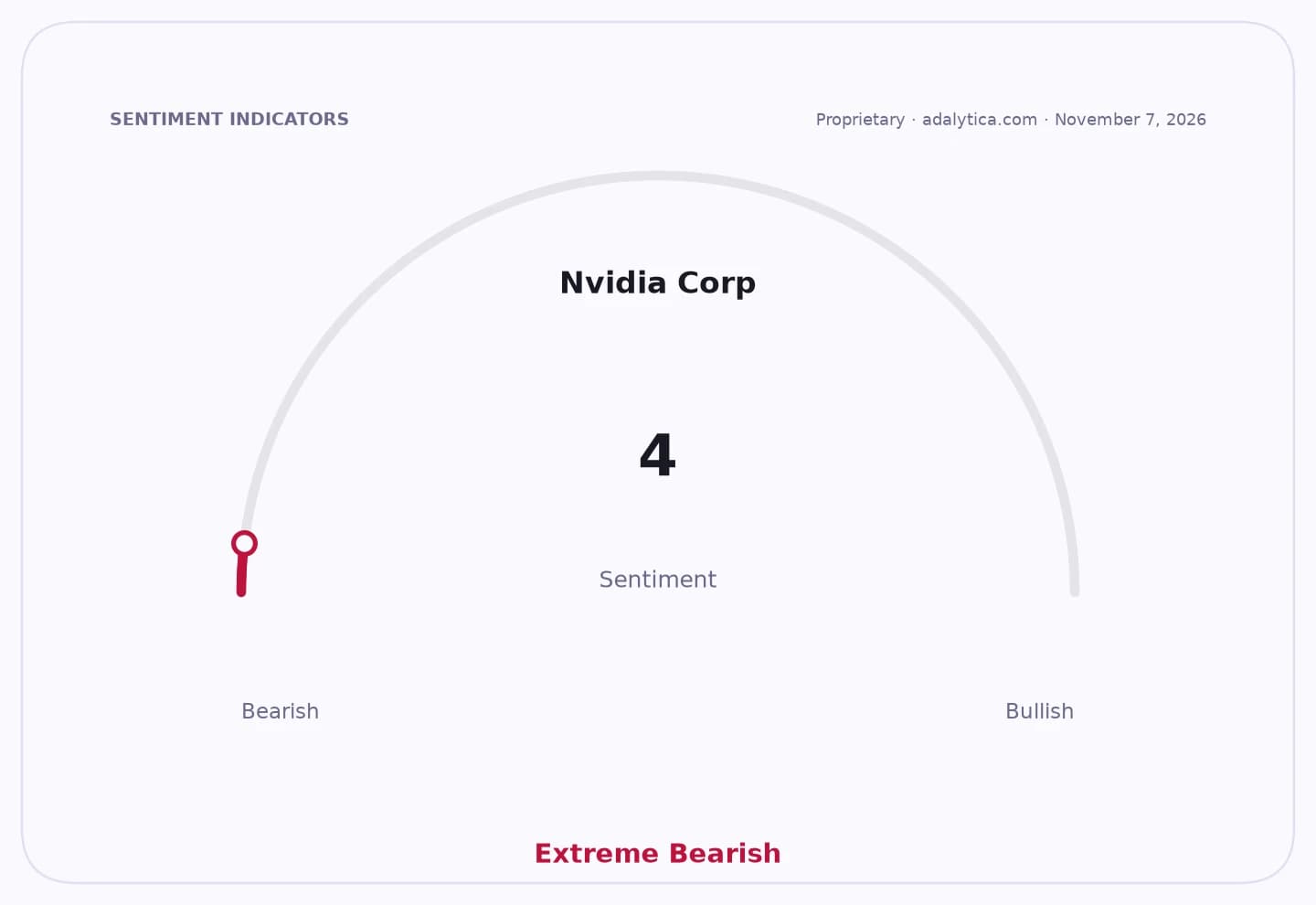
Sentiment Indicators
The inquiry found that data centre clusters are emerging in places such as Lane Cove and Ryde not because planners deliberately chose them, but because companies found available capacity there under market pressure. It recommended the state steer future development into dedicated precincts with shared electricity and water infrastructure, rather than allowing isolated projects to proliferate in suburban industrial zones.
The report also sharpened the political risk for developers by describing the government’s approach as “entirely backwards”: it opened fast-track approval routes, including through the Investment Delivery Authority, before issuing data centre guidelines. The authority has already endorsed at least 15 projects worth A$51.89 billion, while more than 60 data centres are operating or under construction in the state.
For investors, the key issue is not just whether projects get built, but whether they get built on time and on the economics originally assumed. Data centres depend on access to power, water and social licence as much as on land and financing. If community opposition intensifies, approvals could become slower and more conditional, especially after the state narrowed some council referral powers and raised the threshold for public objections to trigger review.
The warning also has implications for electricity demand and decarbonisation. Prime Minister Anthony Albanese has said new data centre projects must pay for their own energy and add at least as much power back into the grid as they consume. The inquiry said rapid growth in data-centre electricity use could hinder emissions targets unless matched by storage and new supply, underlining the infrastructure burden on utilities and grid operators.
The report stopped short of calling for a pause on approvals, after Labor and Liberal members removed that recommendation, but the political mood is clearly shifting. Lane Cove and Penrith councils pushed for a moratorium, and committee chair Abigail Boyd framed the fast-track regime as a “tech bro concierge service,” warning that anger will deepen unless approvals are slowed and communities are given time to absorb the changes.
The NSW government argues a moratorium is unnecessary and says the industry can help drive new renewable investment. That is the bull case: a larger data-centre sector could anchor grid expansion, construction spending and digital-infrastructure investment in Australia. The bear case is that without tighter precinct planning, the state imports the very suburban backlash seen in parts of the US, where anti-data-centre sentiment is becoming an electoral issue.
For global operators and landlords such as Equinix, Digital Realty and American Tower, the issue is a reminder that AI infrastructure growth is increasingly constrained by regulation, not demand. The next catalyst will be whether NSW turns the inquiry’s recommendations into stricter siting rules and community consultation requirements, or continues prioritising speed over consent.
| Entity | Gains | Losses |
|---|---|---|
| Precinct-based developers | ▲Faster coordinated approvals | ▼Less free-form site choice |
| Sydney residents and councils | ▲More say over siting | ▼Slower local development |
| Data centre operators | ▲Clearer long-term rules | ▼Higher compliance costs |
| NSW government | ▲Investment and grid buildout | ▼Political pressure over approvals |