NextDC’s shares plunged 41.7% after the Australian data center operator sharply cut revenue and earnings guidance, underscoring how local opposition and power-grid delays are now hitting the economics of AI infrastructure.
NextDC cuts guidance on grid delays and opposition
The Brisbane-based company said it now expects annual revenue of A$475 million to A$500 million, down from A$615 million to A$640 million, and trimmed EBITDA guidance to A$245 million to A$265 million from a prior A$? range previously implied by its outlook. It also cut capital expenditure by A$750 million and said land acquisitions and new development projects are on hold “for the foreseeable future.”
Sentiment Indicators
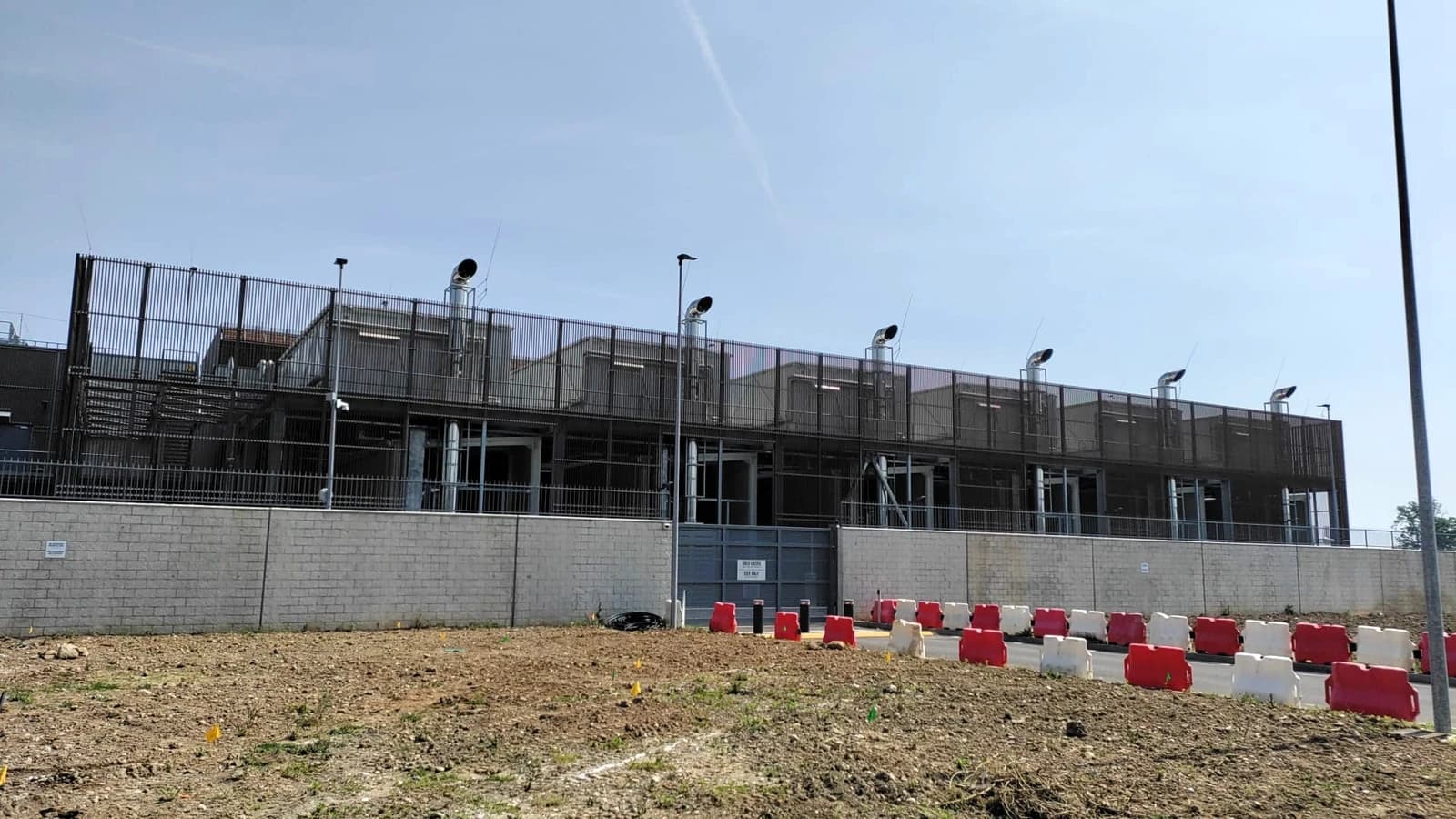
The immediate problem is at M3 Melbourne, where utility Jemena has suspended part of the network works needed for the next increase in grid supply. NextDC said those works are unlikely to restart before February 2027 after community and stakeholder opposition, plus the absence of local council consent pending further consultation.
For investors, the message is bigger than one project. Data center operators are dependent on power access, grid upgrades and community approvals, and any delay can push out revenue recognition while still leaving companies with heavy land, construction and financing costs. That makes execution risk especially important for AI-linked infrastructure stocks, which have rallied on demand expectations but are increasingly vulnerable to permitting and utility bottlenecks.
The selloff in NextDC fits a broader pullback across the sector. Australian peer Firmus scrapped its planned IPO earlier this month, Blackstone-backed AirTrunk delayed a Singapore listing, and U.S. neocloud CoreWeave has seen its bonds slide below 80 cents on the dollar. The pressure reflects growing investor concern that the capital intensity of AI infrastructure is colliding with slower-than-expected buildouts.
Local resistance is also becoming a material business risk. Residents in Australia, as in the U.S., are pushing back over power usage, water demand and noise, and the same concerns are now showing up in company forecasts, project timelines and equity valuations.
With NextDC cutting spending and shelving new development, the next test will be whether it can secure grid access for M3 Melbourne and rebuild confidence that its growth pipeline still converts into cash flow.
| Entity | Gains | Losses |
|---|---|---|
| NextDC rivals with secured power access | ▲Faster project delivery | ▼Less competition for capital |
| Local communities and councils | ▲More leverage over siting | ▼Delayed infrastructure growth |
| Utilities and grid operators | ▲More bargaining power | ▼Pressure to accelerate works |
| Data center investors/longs | ▲Possible repricing discipline | ▼Near-term valuation pain |