Kimmirut’s hamlet employees could walk off the job as early as Jan. 15, a small local labor dispute that highlights a much bigger problem for Nunavut: the territory’s public-sector workforce is stretched, underpaid and increasingly hard to retain.
Nunavut Kimmirut strike risk highlights staffing gaps
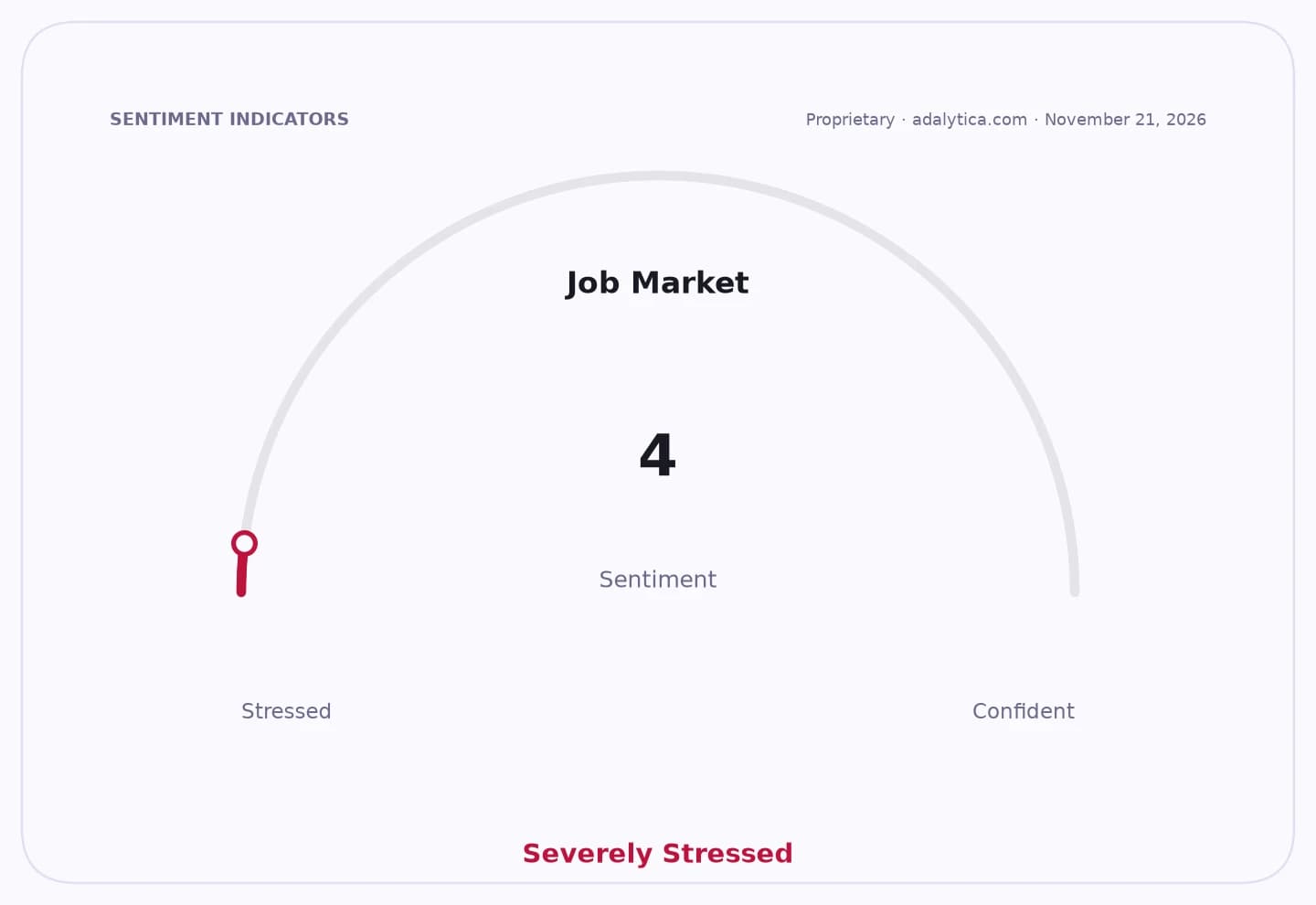
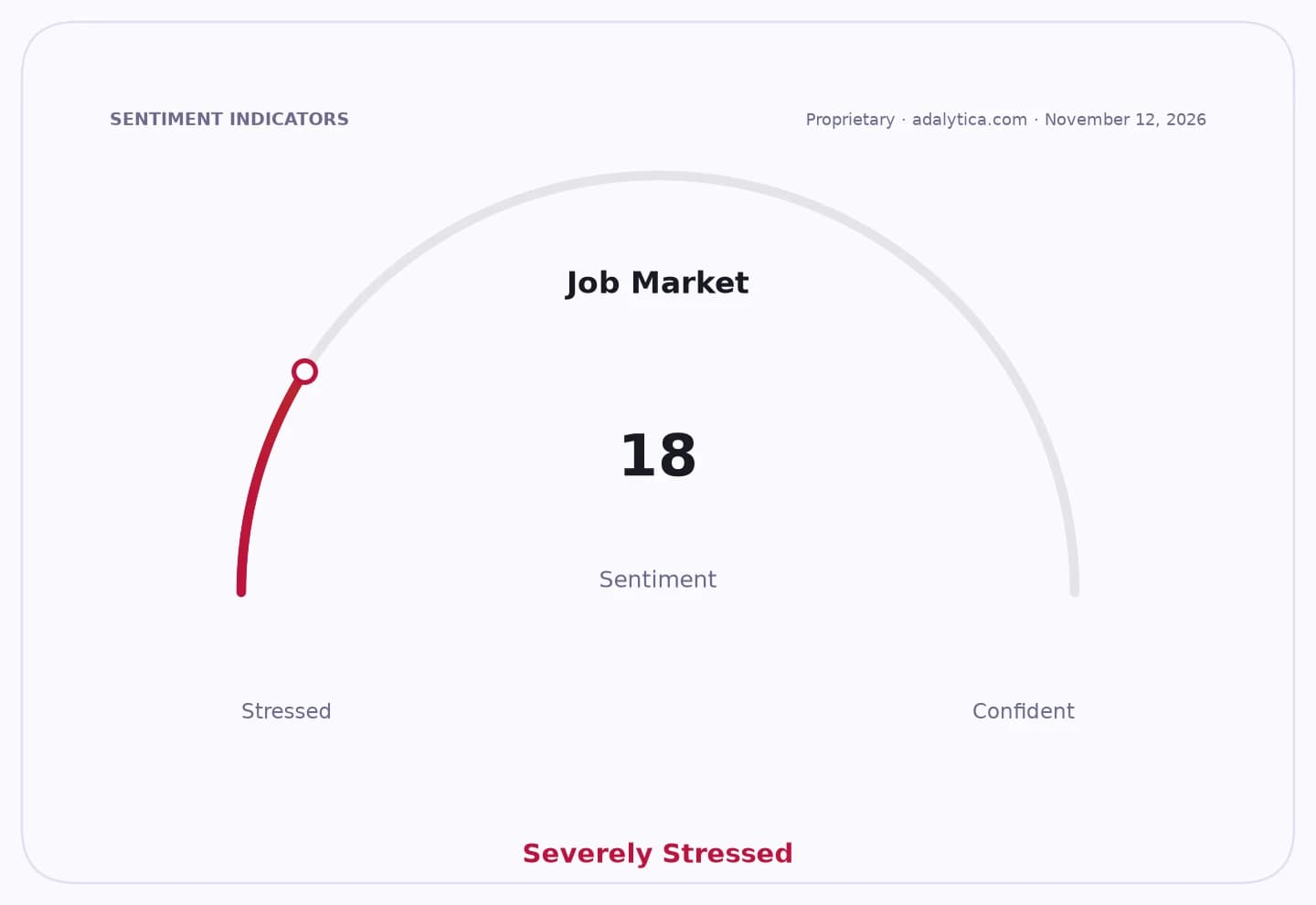
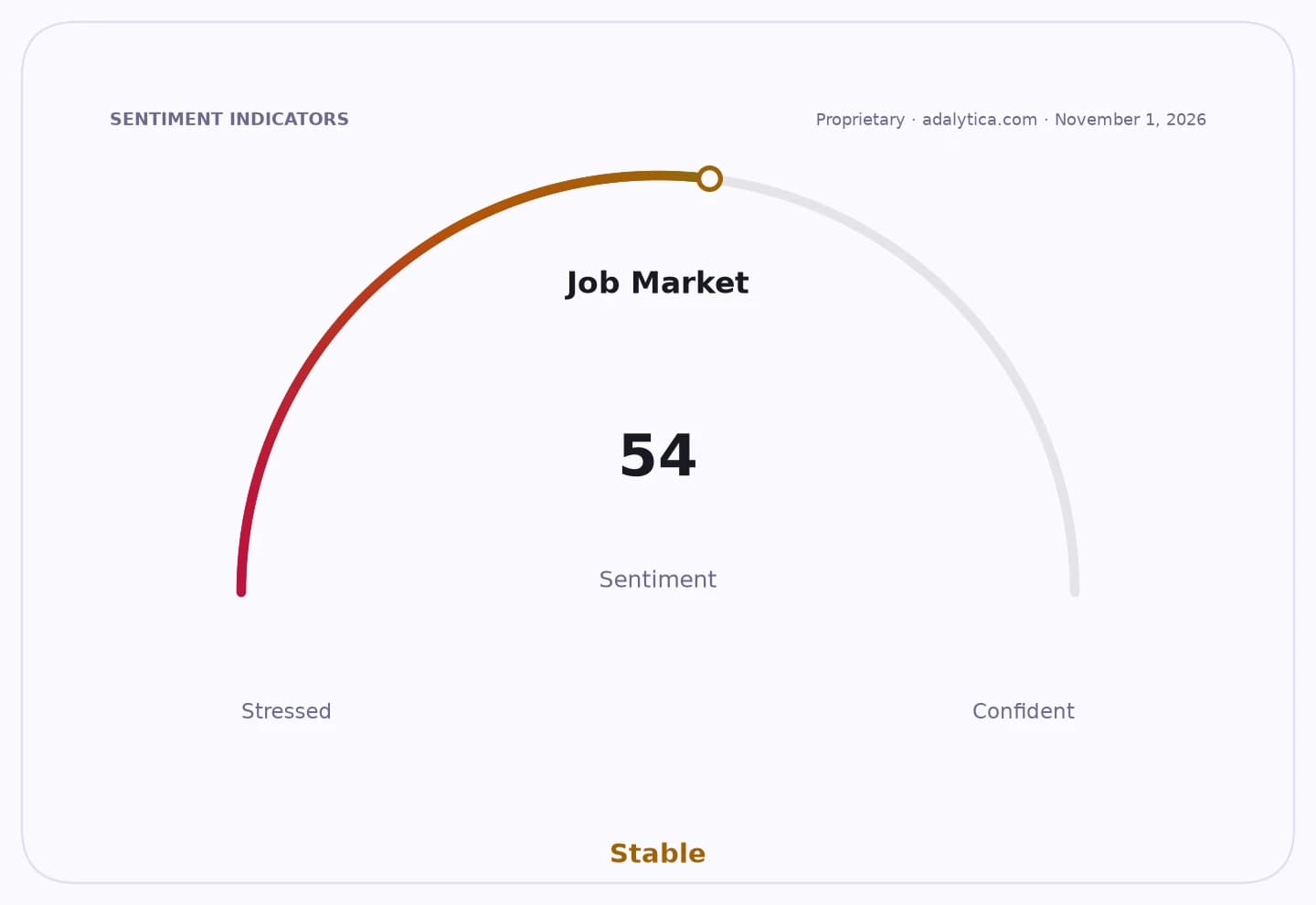
Job Market
That matters because in a community of about 400 people, the hamlet is the largest employer, and even a brief work stoppage can quickly disrupt basic services. It also lands at a sensitive moment for Nunavut’s broader labor market, where the territorial government still has 2,032 vacant positions and has struggled for years to turn casual jobs into permanent roles that actually keep workers in place.
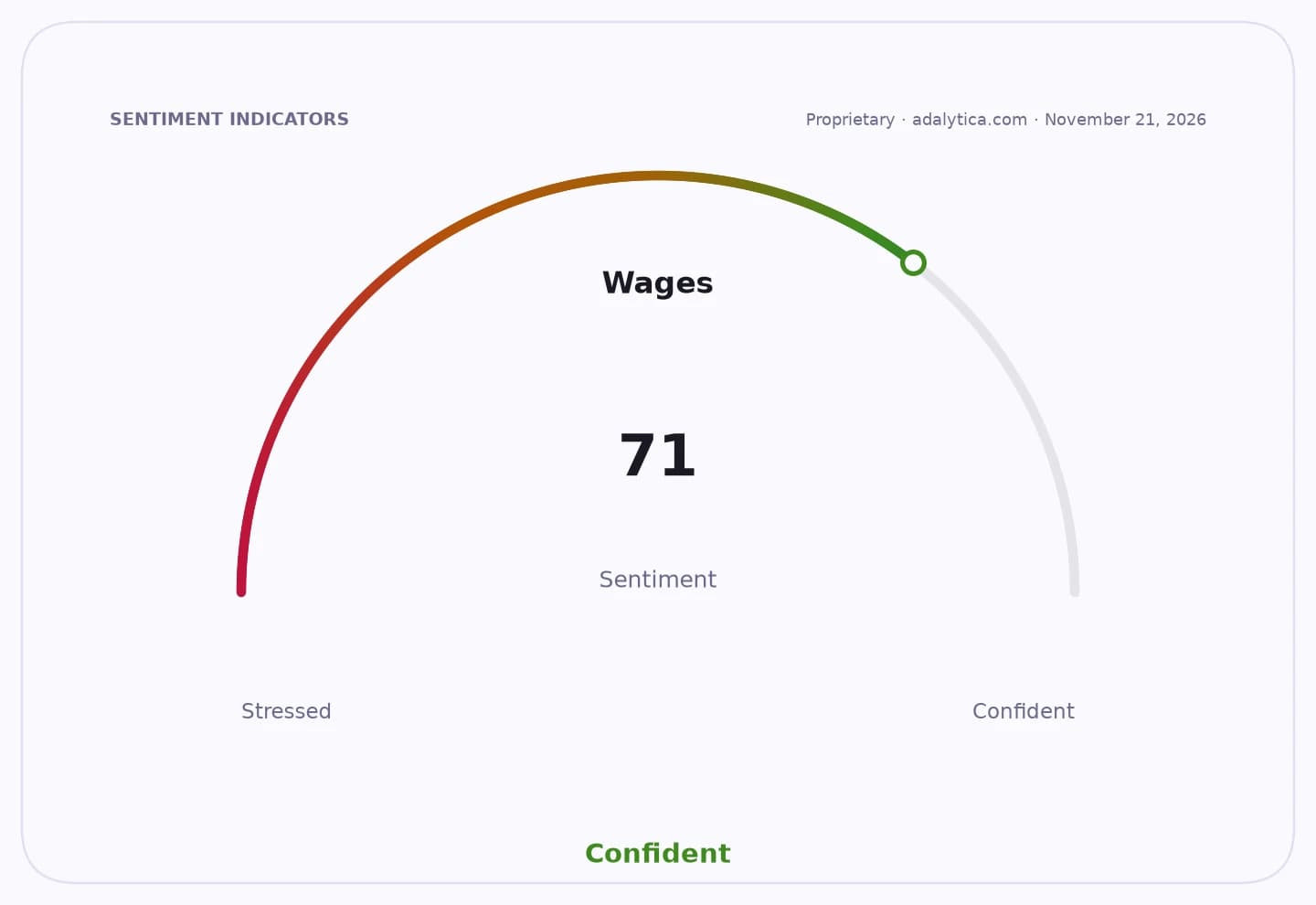
Sentiment Indicators
Nunavut Employees Union President Jason Rochon said pay and treatment are the key sticking points in talks with the Hamlet of Kimmirut. He said a strike could begin “a few weeks after Christmas” if a deal is not reached, and that he would consider moving to the community to help push negotiations over the line.
For investors and policymakers, the story is not about one municipal contract alone. It is about labor scarcity in remote Canada, where weak retention drives up operating costs, undermines service delivery and makes it harder for governments and local employers to plan for the long term. When workers stay on short-term contracts for a decade or more, as Rochon says has happened in some cases, the system becomes more expensive, more fragile and less productive.
Rochon is pressing the territory to fill permanent roles by converting casual workers into indeterminate positions. The Government of Nunavut says recruitment and retention remain priorities and notes it made 167 direct appointments of Inuit employees over the past fiscal year. Even so, the gap remains wide: Inuit employment in the territorial government stands at 52%, well below its 85% goal, and casual workers still numbered 1,037 as of March 2025.
That makes this dispute part of a broader economic narrative that extends beyond Kimmirut. A labor force that depends heavily on short-term staffing can hold back productivity, raise turnover and keep communities dependent on unstable employment. For a territory already battling high vacancy rates, every unresolved contract adds friction to public spending and service delivery.
The union is also involved in arbitration with the territorial government over casual pay rates for student support workers across Nunavut, a sign that wage disputes are not isolated. Rochon said many of the affected positions are held by Inuit women, reinforcing the argument that labor policy here is also about fairness, inclusion and local economic development.
The immediate question is whether negotiators can avoid a strike before Jan. 15. The bigger question is whether Nunavut can build a more durable workforce that pays people enough to stay. For long-term investors, that makes the territory’s labor relations worth watching, because chronic staffing shortages are not just a political problem — they are a drag on growth, efficiency and the quality of public services.
| Entity | Gains | Losses |
|---|---|---|
| Kimmirut workers | ▲Better pay, leverage | ▼Lost wages if strike proceeds |
| Hamlet of Kimmirut | ▲A deal could restore services | ▼Service disruption, higher costs |
| Government of Nunavut | ▲Pressure to reform staffing | ▼More scrutiny over vacancies |
| Local residents | ▲Better long-run labor standards | ▼Short-term disruption to services |