Nvidia’s latest slide is a market warning that the AI hardware trade may be losing some of its one-way momentum just as investors rotate toward the next phase of the technology cycle.
Nvidia Slide Signals Cooling AI Momentum
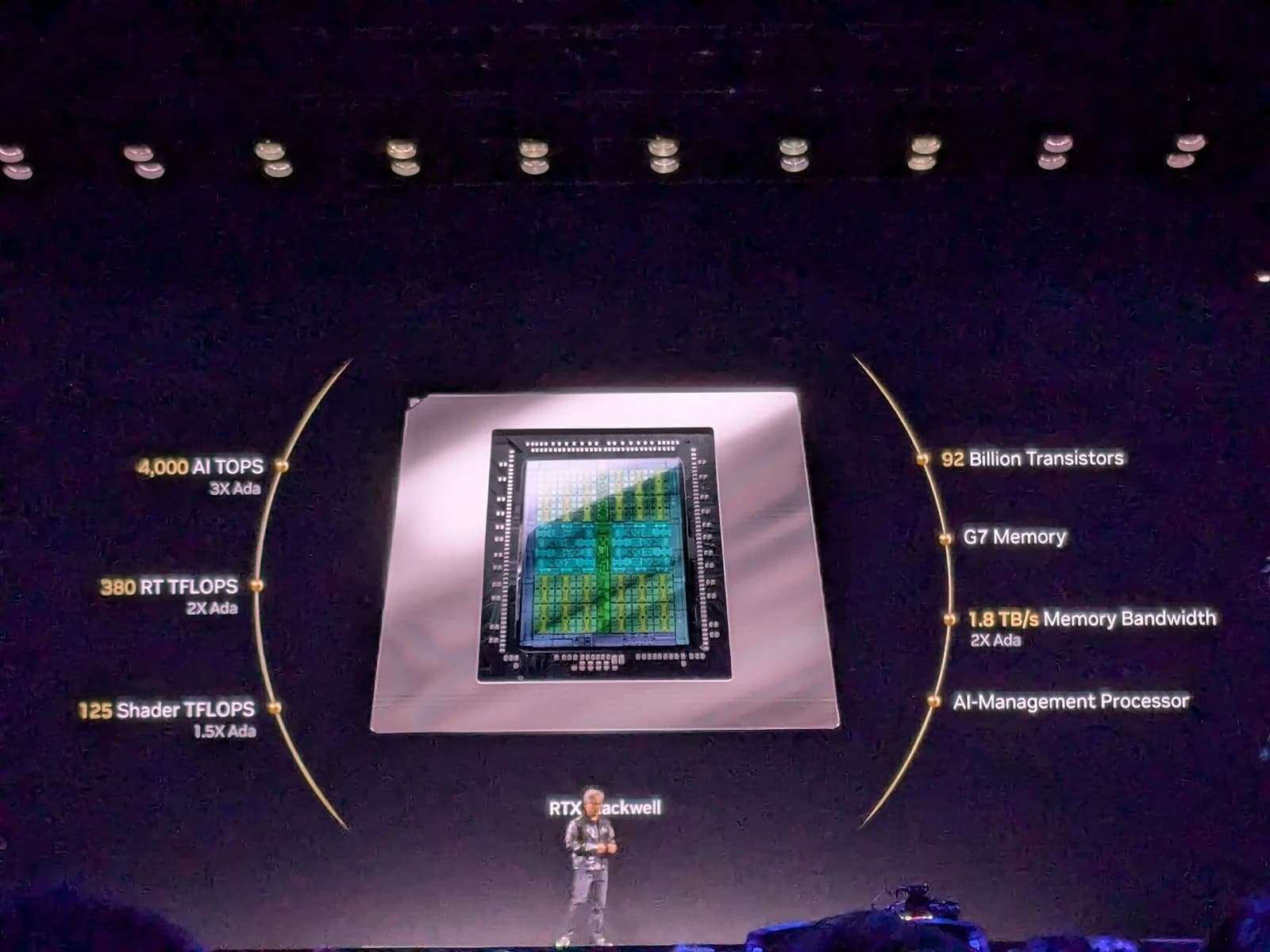
The chipmaker’s shares fell 4.9% to $196.51 on Monday, erasing the gains built up over the prior week and pulling the stock back toward its 50-day moving average of $208.53. The decline came after a sharp July rally that had pushed Nvidia above $210 and briefly reignited the bullish narrative around AI infrastructure spending. But the technical backdrop now looks less forgiving: the stock has slipped below the middle of its recent Bollinger Band range, its RSI has eased to 49.7 from overbought territory earlier in the month, and momentum has flattened with MACD essentially at neutral.
Sentiment IndicatorsⓘProprietary · adalytica.com · July 27, 2026
This is a snapshot — live sentiment, awareness and momentum for 130+ markets update continuously in the dashboard.Open AlphaPulse

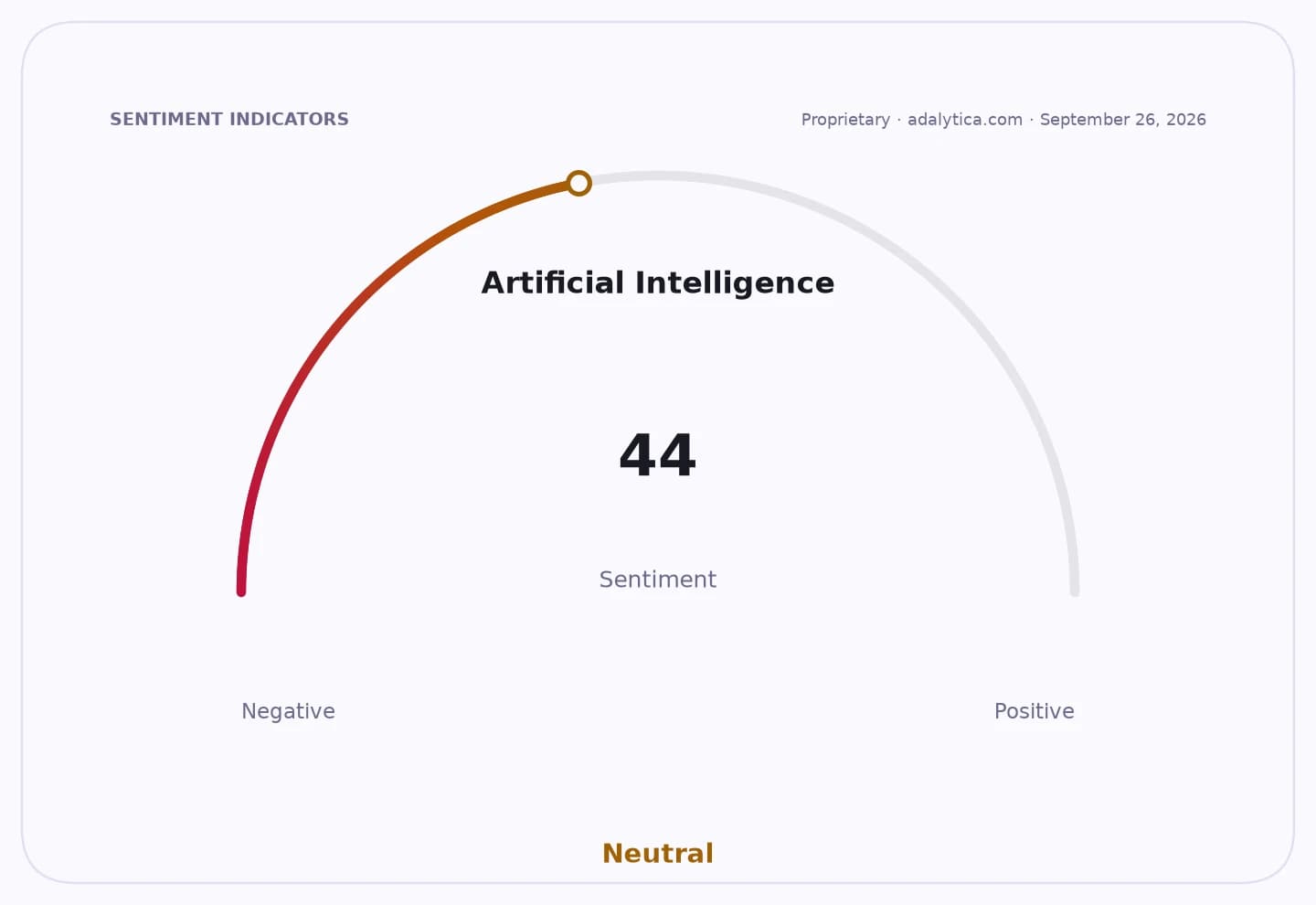
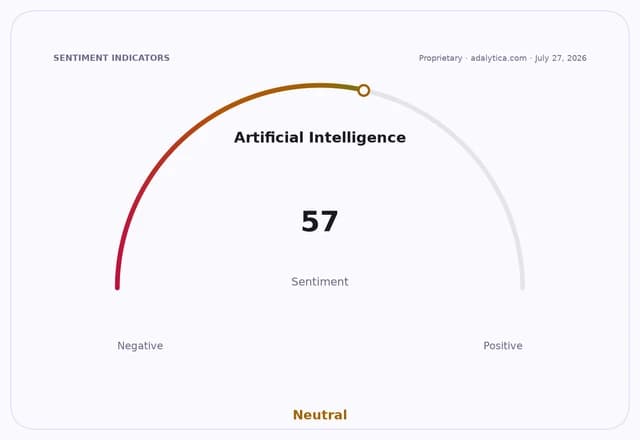
That matters because Nvidia has been the market’s clearest expression of AI capex optimism. When the stock stalls, it is often read as more than a single-name pullback; it raises questions about how much of the infrastructure buildout is already priced in, and whether investors are starting to distinguish between near-term demand and long-duration growth. Sentiment data from Adalytica.com still shows greed at 73, but awareness has slipped over the past week, suggesting enthusiasm remains elevated even as follow-through weakens.
The broader context is even more important. Apple has now overtaken Nvidia as the world’s most valuable company, a symbolic shift that underscores how quickly leadership in mega-cap technology can change once the market begins to reward earnings durability and cash flow over pure growth narratives. For Nvidia, the move is a reminder that being the face of AI is not the same as being immune to valuation compression. For investors, it signals that the trade is broadening: capital is no longer flowing only to the most obvious AI beneficiary, but also to companies with more diversified monetization and lower dependence on a single spending cycle.
Nvidia Corp — 30-day sentimentadalytica.com
Explore this data interactively — full history, time series and cross-market comparisons.Open AlphaPulse
There is still a bull case. Nvidia continues to expand partnerships, including with Toyota and a Bezos-backed chipmaking alliance, and the AI inference market remains in its early stages. The company still trades well above its 200-day moving average of $192.77, which suggests the long-term trend has not broken. But the bear case is becoming harder to ignore: after a run that has repeatedly pushed the stock into overbought territory, the market may need clearer evidence that AI demand is broadening beyond the first wave of hyperscaler spending.
The next catalyst is whether Nvidia can reaccelerate above its recent highs without leaning on multiple expansion alone. If it cannot, investors may conclude that the market is moving from scarcity pricing to scrutiny — and that the AI winners will have to compete harder for premium valuations.
| Entity | Gains | Losses |
|---|---|---|
| Apple | ▲Valuation leadership | ▼Nvidia’s crown |
| Nvidia bulls | ▲Long-term AI exposure | ▼Near-term momentum |
| AI infrastructure rivals | ▲Broader investor interest | ▼Nvidia’s dominance premium |
| Value-focused investors | ▲More selective entry points | ▼One-way AI enthusiasm |