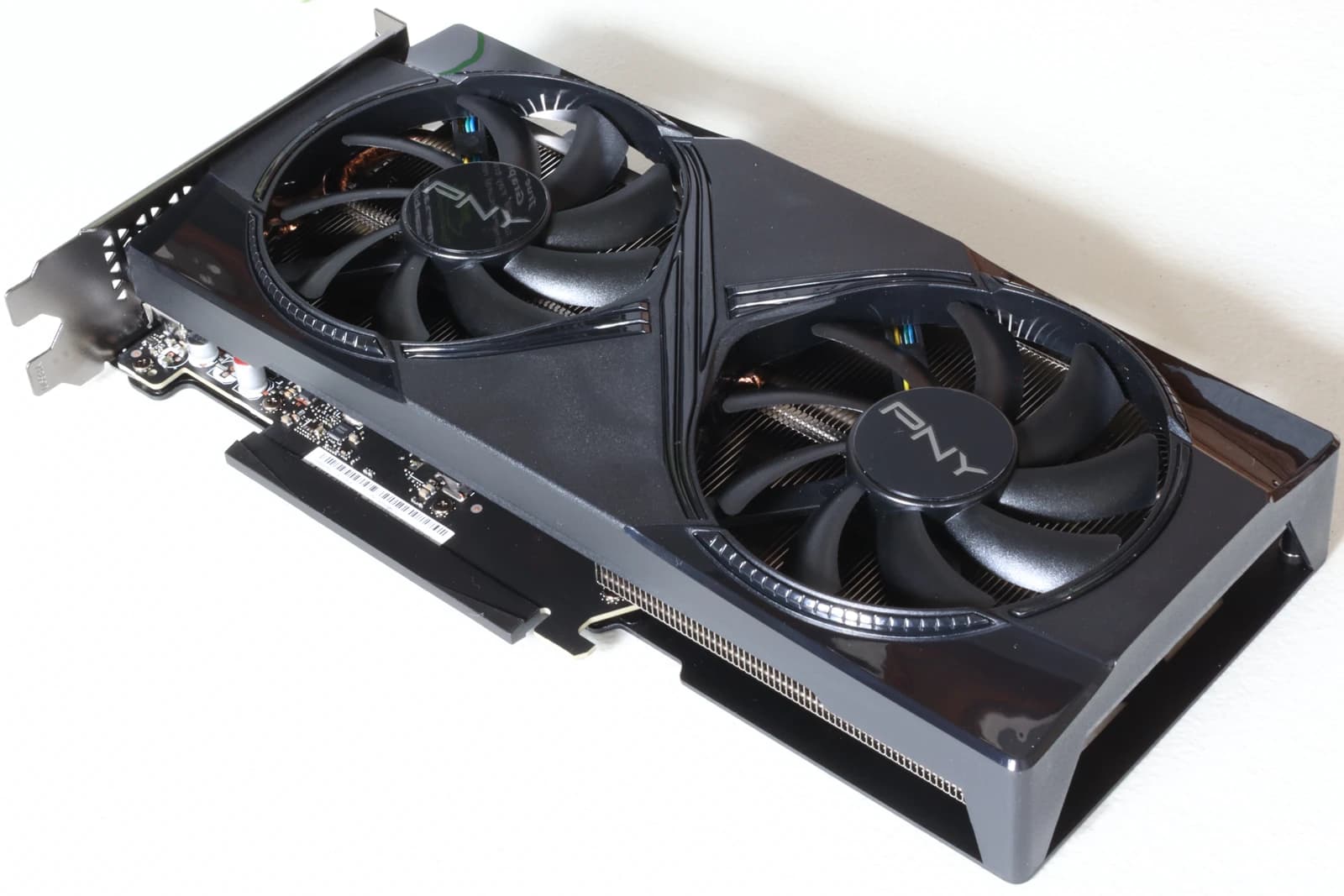
Nvidia’s latest Game Ready driver is giving Cyberpunk 2077 a sharper look and a much smoother frame rate, underscoring how much modern PC gaming now depends on software and AI tricks as much as raw graphics silicon.
Nvidia Game Ready Driver Updates Cyberpunk 2077
The update, paired with Cyberpunk 2077 patch 2.5, brings Advanced Shader Delivery support that shifts shader compilation to the cloud, cutting the long first-launch waits and the micro-stutters that have frustrated players on high-end PCs. It also folds in DLSS 4.5 features, including Dynamic Multi Frame Generation, which the source material says can lift gameplay to as much as 120 to 140 frames per second in 4K on GeForce RTX 50-series hardware.
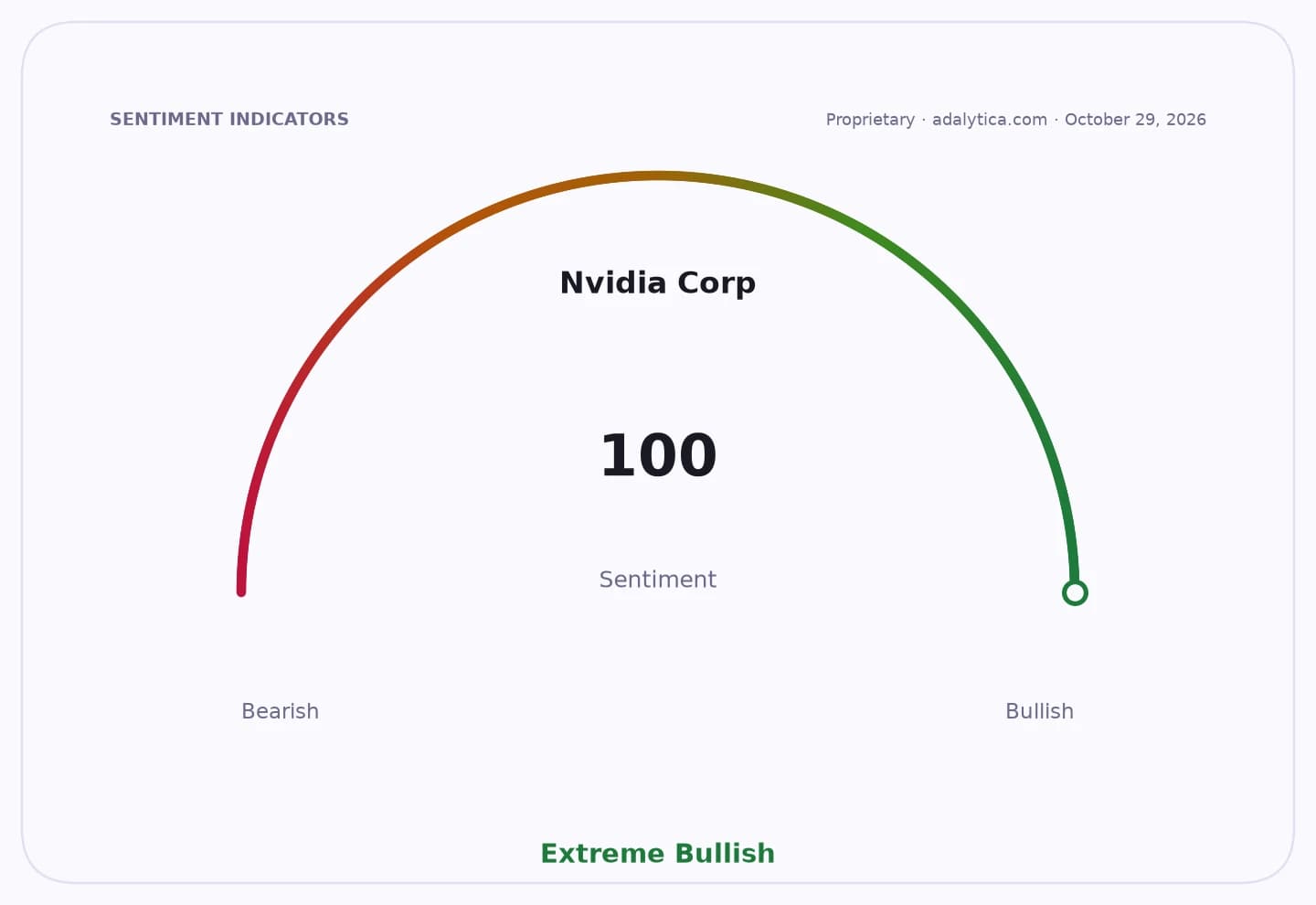
Sentiment Indicators
That matters beyond one game. Cyberpunk 2077 has long been a benchmark title for premium GPUs and OLED or Mini-LED displays because of its heavy ray tracing, dense lighting and reflective surfaces. Any improvement in how it runs is effectively a showcase for Nvidia’s ecosystem, especially at a time when the company is pushing AI-driven rendering and driver-level optimization as a core selling point for its gaming products.
For investors, the update reinforces Nvidia’s ability to keep monetizing its installed base even as the company focuses on data center AI. Better frame generation and lower latency can make older RTX 40-series cards look more capable, while the newest RTX 50 lineup benefits most from the updated stack. That kind of performance gap can support upgrade demand, keep gamers inside Nvidia’s software ecosystem and help defend pricing power in the gaming GPU market.
The update also fixes display issues on some newer monitors, including black flashes on certain 360 Hz QHD panels and fluidity problems on G-SYNC Pulsar screens, which broadens the relevance to high-end monitor makers and PC enthusiasts. Microsoft’s Advanced Shader Delivery support is another sign the industry is moving toward cloud-assisted rendering pipelines rather than relying entirely on local brute force.
Nvidia shares were last at $212.65, below the 50-day moving average of $221.90 and with the RSI at 34, leaving the stock technically softer even as Adalytica’s Nvidia earnings sentiment gauge shows “Extreme Greed.” The next catalyst for investors will be whether Nvidia can turn gaming software upgrades like this into steadier hardware demand while the market remains focused on AI capex and margin trends.
| Entity | Gains | Losses |
|---|---|---|
| Nvidia | ▲Stronger gaming ecosystem | ▼Drivers expose software dependency |
| RTX 50 owners | ▲Highest FPS gains | ▼None |
| RTX 40 owners | ▲Better efficiency and smoother play | ▼Smaller uplift than RTX 50 |
| Monitor makers / gamers | ▲Fewer stutters and display bugs | ▼Legacy setups lose advantage |