More than $11 million of Nvidia hardware stolen in California is a reminder that the AI boom has created one of the most valuable and vulnerable supply chains in tech.
Nvidia Hardware Stolen in $11.4 Million Shipment
The shipment, valued at $11.4 million, vanished after leaving Oakland on Aug. 29 bound for Fort Worth, according to local reporting. Authorities said the cargo was picked up by a truck posing as a food hauler before being lost track of in San Bernardino County, underscoring how organized and carefully planned these thefts can be. Oakland police say the case remains under investigation and no arrests have been announced.
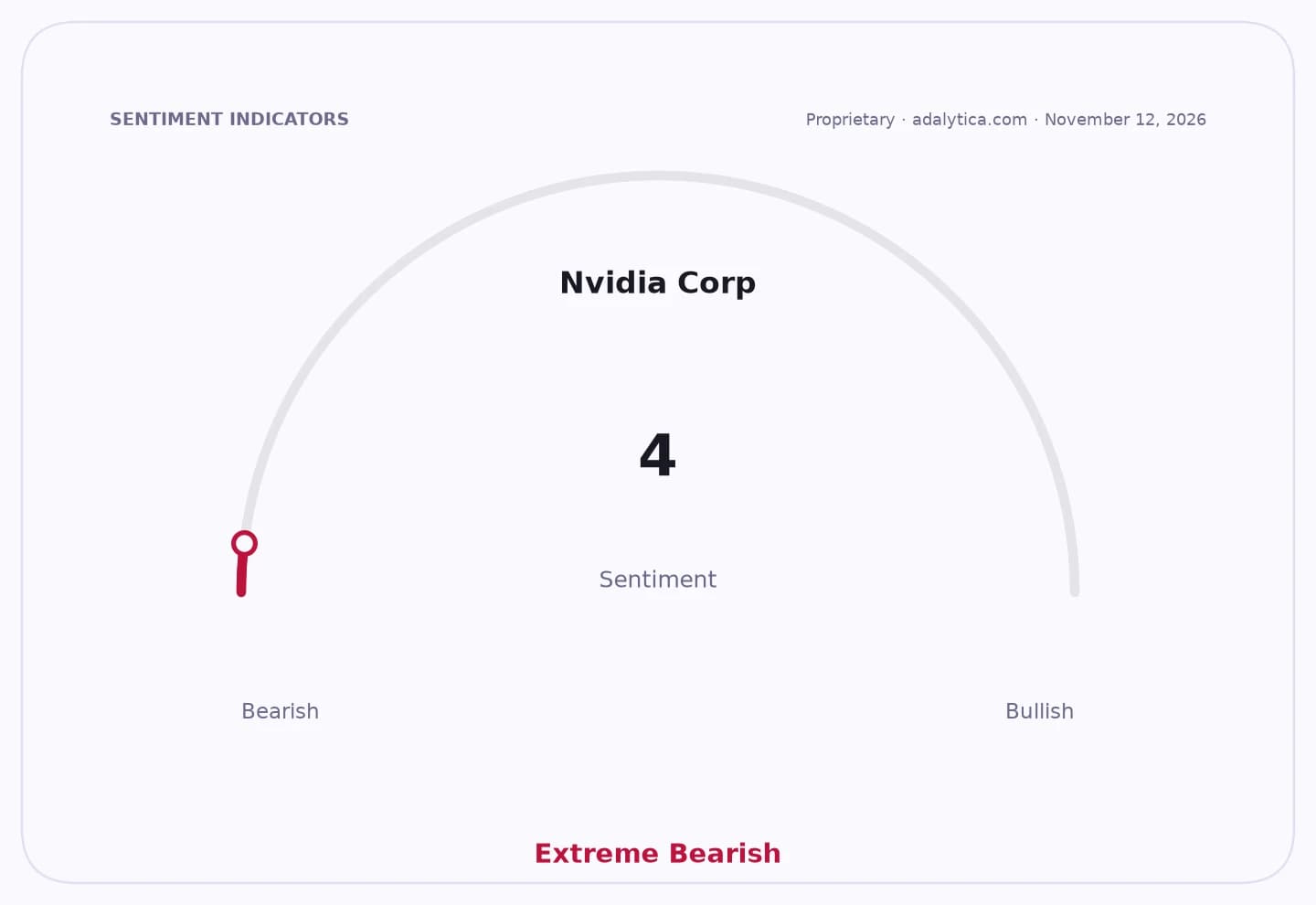
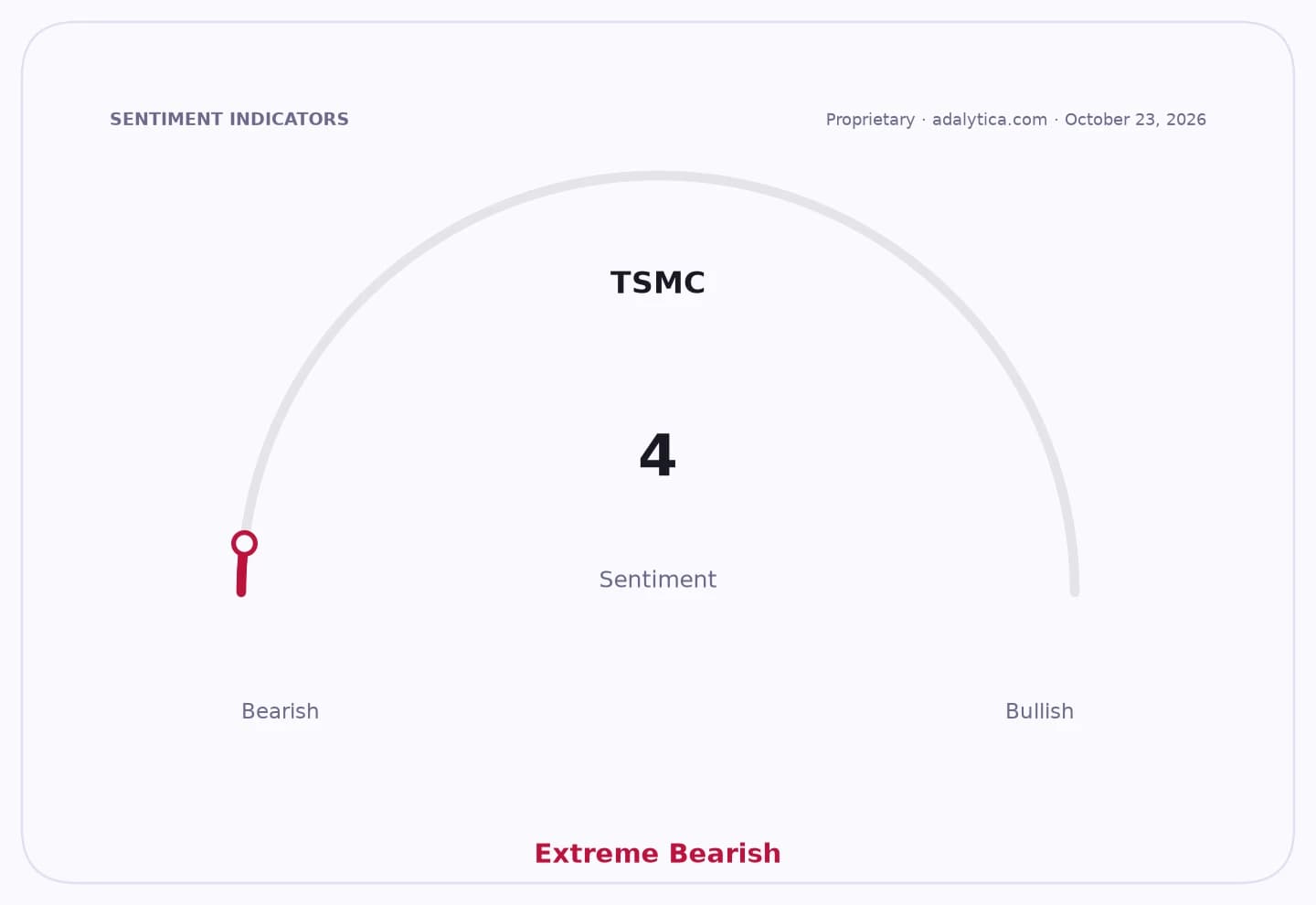
Sentiment Indicators
Why does this matter? Because Nvidia’s chips are not just expensive pieces of computer hardware — they are scarce inputs for the AI economy. When a pallet of accelerators can command roughly twice the U.S. price on overseas black markets, as one Berkeley expert estimated, theft becomes an economic problem, not just a criminal one. The more valuable the chips become, the more incentive there is for cargo theft, diversion and resale into channels that are hard to trace.
For investors, the message is broader than one stolen shipment. Nvidia, Microsoft and Taiwan Semiconductor sit at the center of a global AI buildout that depends on manufacturing, logistics and security working almost perfectly. Any break in that chain raises costs, complicates inventory management and adds another layer of operational risk to an already stretched ecosystem. Nvidia’s own filings have pointed to supply-chain and geopolitical disruptions as meaningful business risks, and this case shows how those risks can surface in unexpected ways.
It also helps explain why the market keeps treating AI infrastructure as a strategic asset. These chips are not merely components for data centers; they are leverage in a competition that spans cloud computing, enterprise software and even national security. If stolen hardware ends up abroad, the loss is not just to Nvidia’s customer, but potentially to the entire ecosystem of buyers relying on controlled access to high-end compute.
Long term, the investment case for Nvidia still rests on demand, not on any single cargo shipment. But investors should remember that the winners in the AI era will be those that can protect scarce hardware, secure supply chains and keep scaling efficiently. That is another reason to think in years, not days, and to hold the sector through volatility rather than overreact to headlines. This is worth watching, but not as a reason to abandon the AI story — more as a reminder that even the strongest moats need guards.
| Entity | Gains | Losses |
|---|---|---|
| Thieves / black-market buyers | ▲High-value resale opportunity | ▼Greater law-enforcement scrutiny |
| Nvidia and customers | ▲Renewed focus on security | ▼Lost hardware and logistics costs |
| Supply-chain security firms | ▲More demand for protection | ▼Higher expectations and liability |
| Long-term AI investors | ▲Clearer view of operational risk | ▼Short-term headline volatility |