NVIDIA is extending its AI pitch from the data center to the living room and home office, unveiling software and hardware meant to let multiple PCs act like a shared local AI cluster while also making it easier to run agents on-device.
NVIDIA unveils RTX Spark and PAIR for local AI

The biggest takeaway for investors is that NVIDIA is trying to turn local AI into a broader platform, not just a niche feature for gaming rigs. By pairing new RTX Spark systems due in October with one-click setup for AI agents and software that routes inference across multiple home computers, the company is pushing more usage onto its CUDA and Blackwell stack at the edge, where private and latency-sensitive workloads can stay off the cloud.
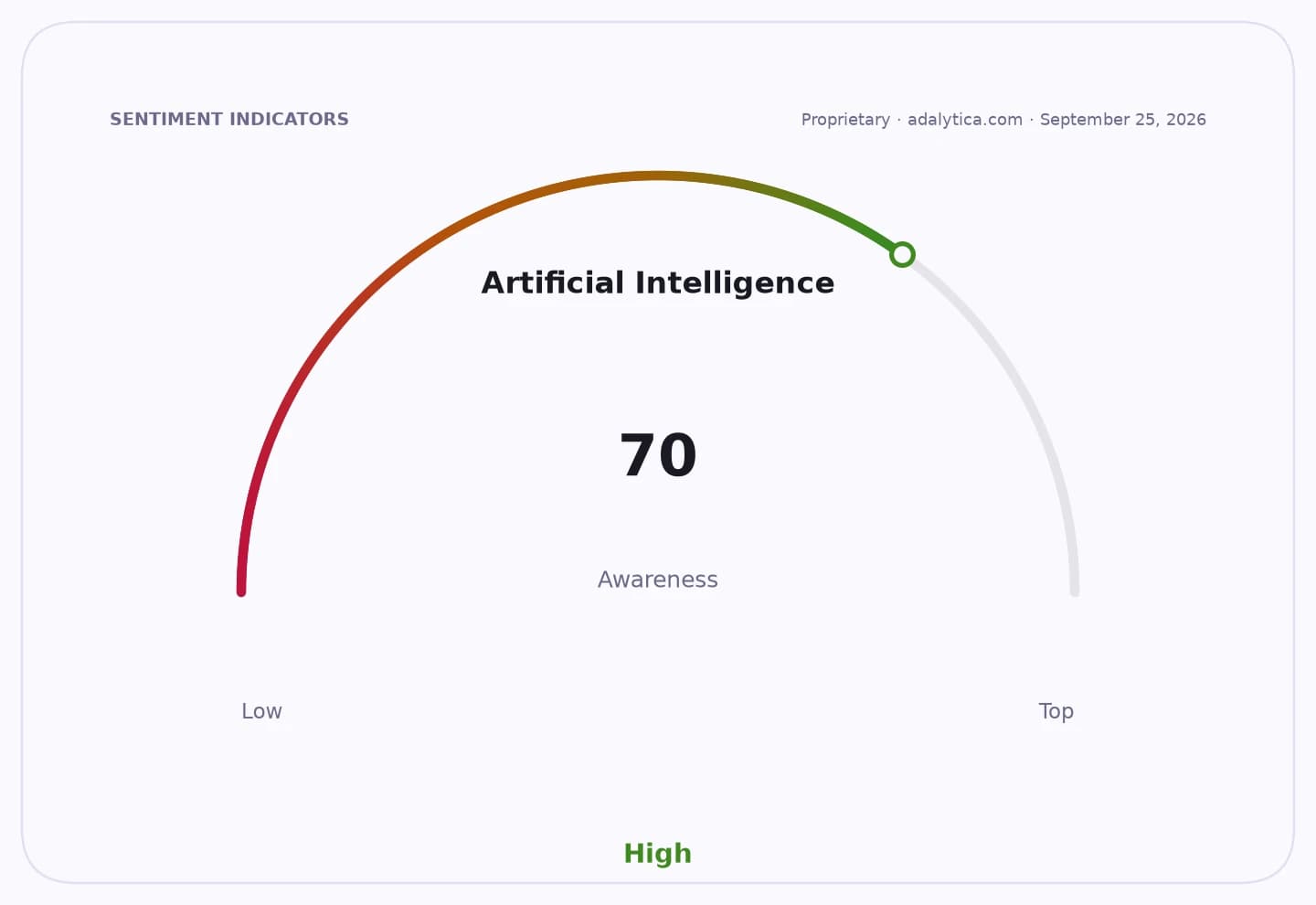
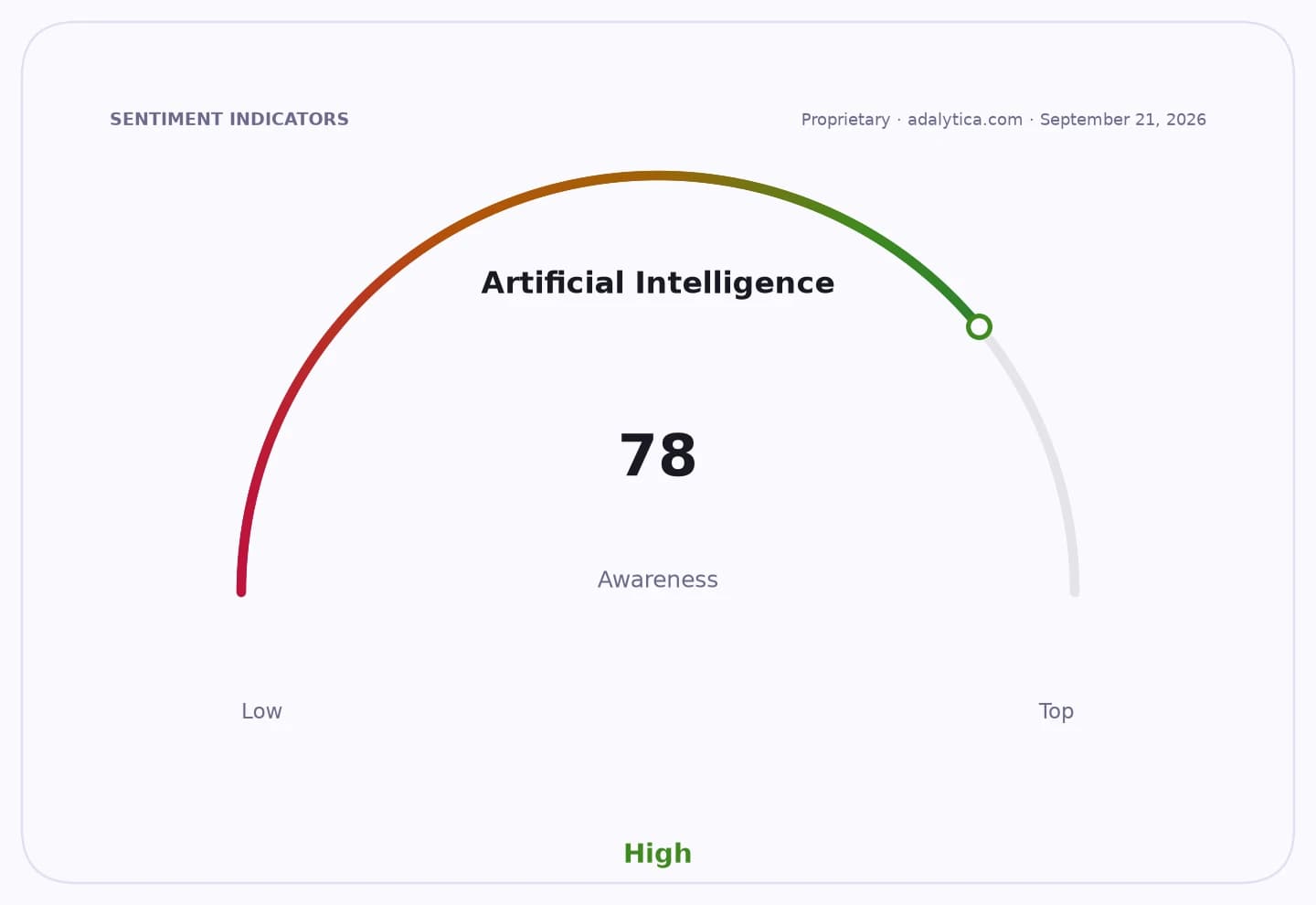
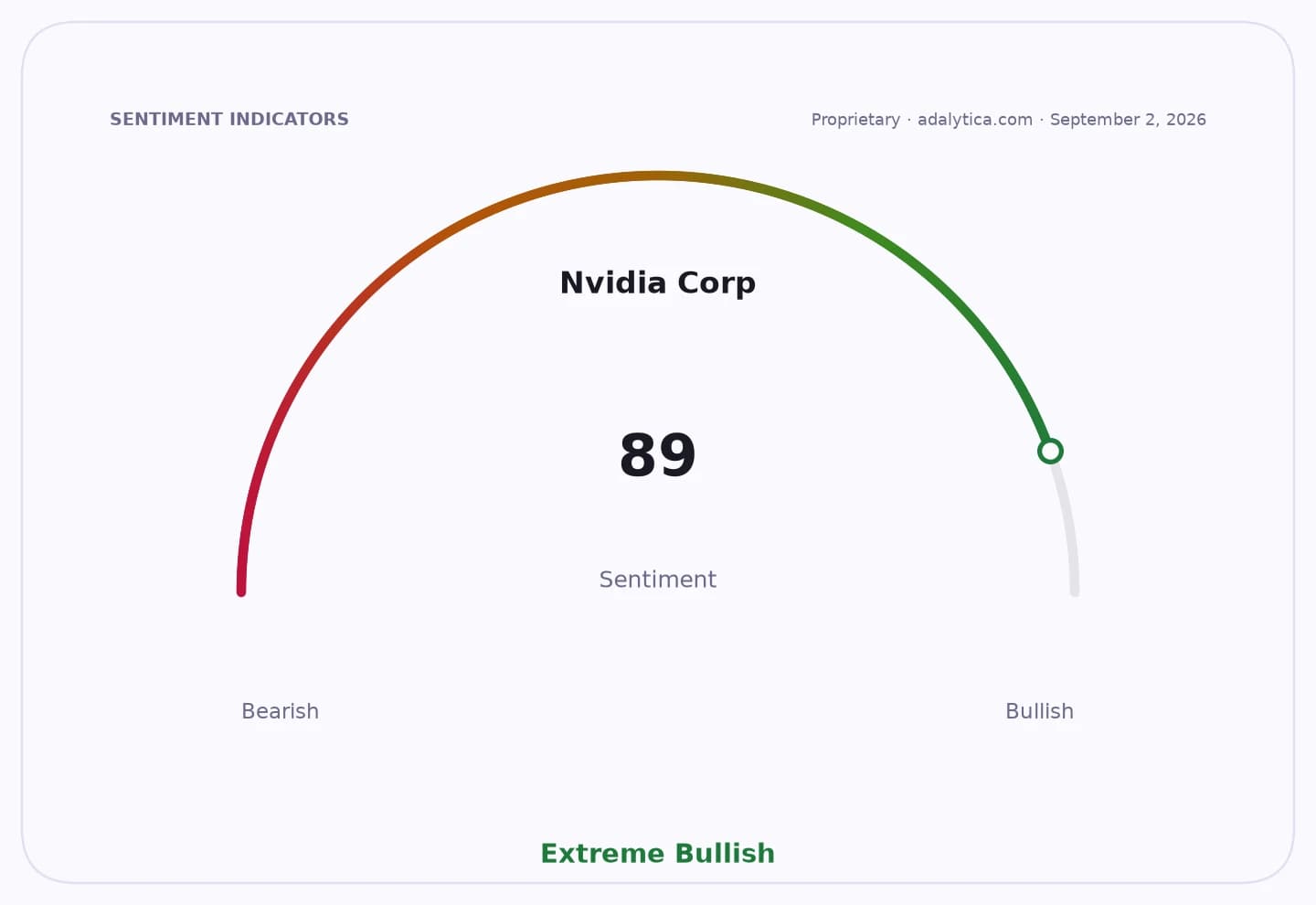
Sentiment IndicatorsⓘProprietary · adalytica.com · September 4, 2026
This is a snapshot — live sentiment, awareness and momentum for 130+ markets update continuously in the dashboard.Open AlphaPulse
At IFA 2026, NVIDIA said RTX Spark systems powered by its N1X chip will start arriving in October, with Lenovo and Acer among the first OEMs to bring new designs to market. The company said the higher-end N1X configuration combines a 6,144-core Blackwell RTX GPU with a 20-core Grace CPU and up to 128GB of unified memory, while a second version uses a 5,120-core GPU and up to 32GB of memory.
The more strategically important announcement was NVIDIA PAIR, short for Personal AI Router. The open-source beta software discovers PCs on a home network and spreads local inference jobs across them, so an idle gaming desktop, laptop or even a mixed Mac-and-PC setup can contribute compute when it is not being used for other tasks.
NVIDIA said PAIR can support as many as 18 GPUs in testing and is designed around multi-agent workloads, where several AI sub-tasks run at once. In its demonstration, the company said five sub-agents processing household information were distributed across an RTX 5090 gaming PC, an RTX Spark laptop and a DGX Spark system, with the setup approaching a 2x improvement versus sequential execution on a single machine.
That matters economically because it deepens demand for NVIDIA GPUs and software across consumer and prosumer PCs, not just hyperscale servers. It also gives the company another way to keep AI workloads inside its ecosystem as users increasingly want private, unmetered, low-latency inference for work that may involve sensitive documents or regulated data.
NVIDIA also said it is working with Hermes Agent, OpenClaw and Perplexity to make local AI setup one-click simple, removing much of the friction around choosing models, quantization and inference engines. Separately, the company said optimizations in frameworks such as llama.cpp and vLLM can lift local throughput by as much as 1.9x in some cases.
For investors, the message is that NVIDIA is widening the addressable market for AI hardware and software while reinforcing its lead in inference infrastructure. The stock has already rallied sharply, with recent technical readings showing it trading above both its 50-day and 200-day moving averages, while momentum indicators remain firm.
The next catalyst is adoption: whether RTX Spark systems ship cleanly in October and whether developers actually use PAIR and the one-click agent tools to make local AI a daily habit rather than a demo. If they do, NVIDIA gets a stronger foothold in consumer AI computing just as enterprises and households are looking for more private ways to use it.
| Entity | Gains | Losses |
|---|---|---|
| NVIDIA | ▲Wider AI platform reach | ▼More pressure to execute |
| RTX Spark OEMs | ▲New premium PC lineup | ▼Launch risk if demand disappoints |
| PC owners with idle GPUs | ▲Better local AI use | ▼Complexity if adoption stays niche |
| Cloud AI providers | ▲Complementary hybrid demand | ▼Some inference shifted on-device |