Nvidia’s latest run-up suggests investors are positioning for another earnings beat, with the market increasingly focused on whether the company can translate the start of its Vera Rubin product cycle into renewed growth after a volatile stretch for the stock.
Nvidia shares rise to $223.96 before earnings
That matters because Nvidia remains the clearest barometer for the AI capital-spending boom. A solid second quarter would reassure investors that hyperscale demand is still absorbing the industry’s vast buildout of accelerated computing, even as some AI winners have started to face tougher comparisons, margin pressure and questions over the pace of return on spending.
Sentiment IndicatorsⓘProprietary · adalytica.com · August 9, 2026
This is a snapshot — live sentiment, awareness and momentum for 130+ markets update continuously in the dashboard.Open AlphaPulse
Nvidia shares closed at $223.96 on Aug. 7, up from $190.01 on July 29, with the stock reclaiming its 50-day moving average near $206 and trading just below the upper Bollinger Band. The move has come alongside a stronger technical profile, with the relative strength index at 65.6 and MACD momentum turning positive, indicating the market is leaning into the next leg of the company’s product cycle rather than fading it.
The company’s Vera Rubin platform is the next major step in its data-center roadmap and is expected to underpin demand from cloud providers, sovereign buyers and enterprise customers pushing deeper into AI inference and training. For investors, the key question is not just whether Nvidia can beat estimates this quarter, but whether management can show that the transition to Rubin preserves the company’s pricing power and helps sustain the extraordinary economics of the AI supply chain.

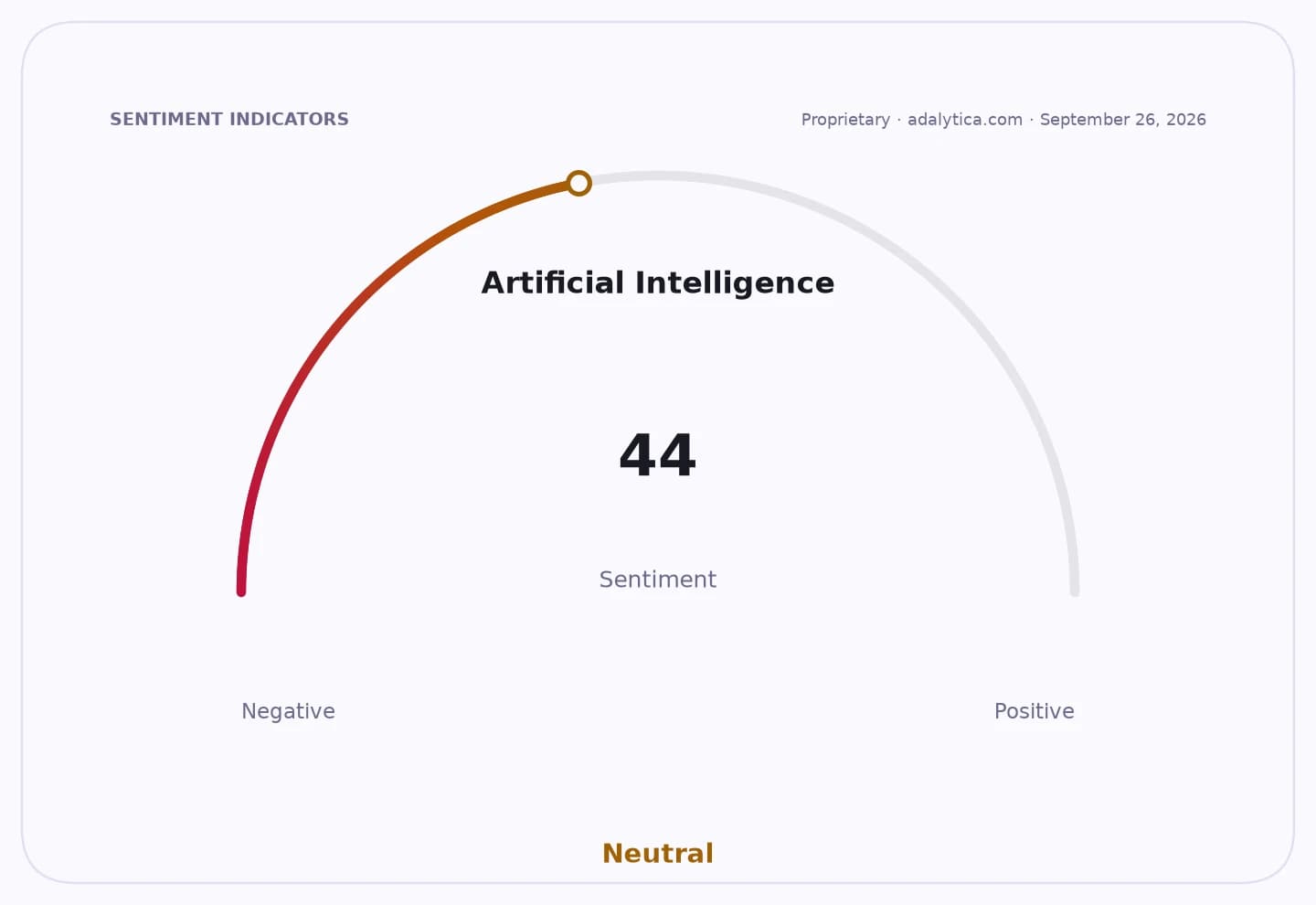
That backdrop helps explain why Nvidia remains central to broader market sentiment around artificial intelligence. Adalytica’s earnings sentiment reading for Nvidia is neutral at 43, but awareness is elevated at 79, while the wider AI complex shows extreme attention even as sentiment remains mixed. In practical terms, that means expectations are high but not euphoric — a setup that can support the stock if execution stays strong, but can also magnify any disappointment on margins, guidance or shipment timing.
The bull case is straightforward: Nvidia continues to dominate the most profitable layer of AI infrastructure, and the arrival of Vera Rubin should extend the company’s lead in performance and system integration. The bear case is that a large part of the optimism is already embedded in the shares, and any sign of slowing capex growth, inventory digestion or customer pushout could temper the market’s willingness to pay up for the next product cycle.
For now, the trade remains tied to execution. If Nvidia clears second-quarter targets and management uses the earnings call to reinforce a smooth Rubin ramp, the stock could reassert its leadership in the AI trade. If not, the combination of elevated expectations and heavy sector exposure leaves little room for error.
| Entity | Gains | Losses |
|---|---|---|
| Nvidia shareholders | ▲earnings beat and Rubin optimism | ▼if guidance underwhelms |
| Cloud and AI buyers | ▲faster chip roadmap | ▼higher infrastructure spending |
| Competitors such as AMD | ▲sector demand lift | ▼share gains if Nvidia lead widens |
| Short sellers | ▲volatility if results miss | ▼momentum if Nvidia beats again |