Nvidia has raised the price of its Shield TV Pro streamer by $100 to $300 and stopped making the cheaper standard version, a sign that AI-related memory shortages are now hitting even a seven-year-old consumer device.
Nvidia raises Shield TV Pro price to $300
The move matters because it shows how the surge in demand for high-bandwidth memory from artificial intelligence systems is rippling beyond data-center chips into other electronics. Nvidia said the change reflects higher component costs, especially for RAM, whose prices have reportedly doubled as suppliers divert more capacity toward AI hardware. For consumers, that means a mature product with no internal upgrade is suddenly more expensive; for Nvidia, it suggests margin protection is taking priority over preserving the Shield’s value proposition.
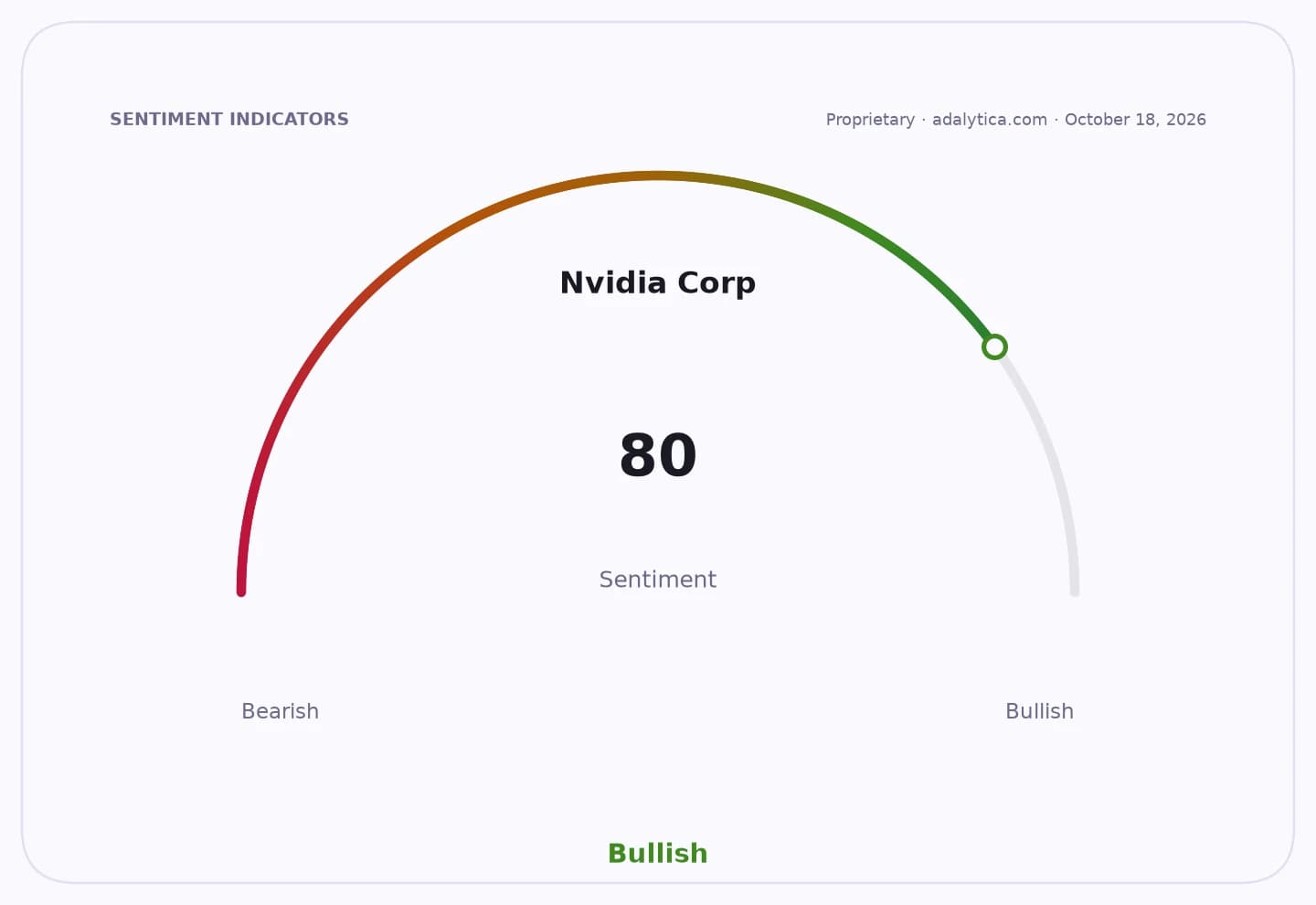
Sentiment Indicators
The Shield TV Pro is a niche but long-running product in Nvidia’s consumer lineup, used by buyers who want a premium streaming box that can handle 4K video and gaming. But the economics of the device are changing in a way that matters well beyond the product itself. When memory prices rise sharply, manufacturers either absorb the hit, squeeze their margins or pass the cost on. Nvidia has chosen the third option, and by discontinuing the lower-priced model it is also narrowing the assortment to the version with the highest bill of materials and the best profitability.
The timing fits a broader pattern across hardware markets. AI infrastructure spending has created a scramble for components that once served ordinary consumer devices, lifting costs for everyone from chipmakers to set-top-box makers and PC vendors. Nvidia’s latest move is a small but visible example of that squeeze. It also underscores how its business is shaped by the same memory market that supports its AI accelerators: when the supply chain tightens, even a legacy streaming box can become a pricing casualty.
For investors, the immediate takeaway is not the revenue contribution from Shield, which is immaterial next to Nvidia’s data-center franchise, but the confirmation that input-cost inflation remains live across the electronics chain. Bulls will argue Nvidia is simply preserving economics on a low-volume product while demand for its core AI chips stays powerful. Bears may see it as another reminder that the AI boom is distorting component markets and raising costs for adjacent businesses, even as end-consumer willingness to pay becomes less certain.
What to watch next is whether the memory squeeze spreads further into consumer devices, and whether Nvidia’s pricing action is an isolated adjustment or an early sign that more hardware makers will have to reprice older products to protect margins.
| Entity | Gains | Losses |
|---|---|---|
| Nvidia | ▲Protects margins | ▼Risks consumer backlash |
| AI chip suppliers | ▲Higher pricing power | ▼Tighter component supply |
| Consumers | ▲— | ▼Pay more for older hardware |
| Streaming rivals | ▲Relative pricing edge | ▼Face similar memory costs |