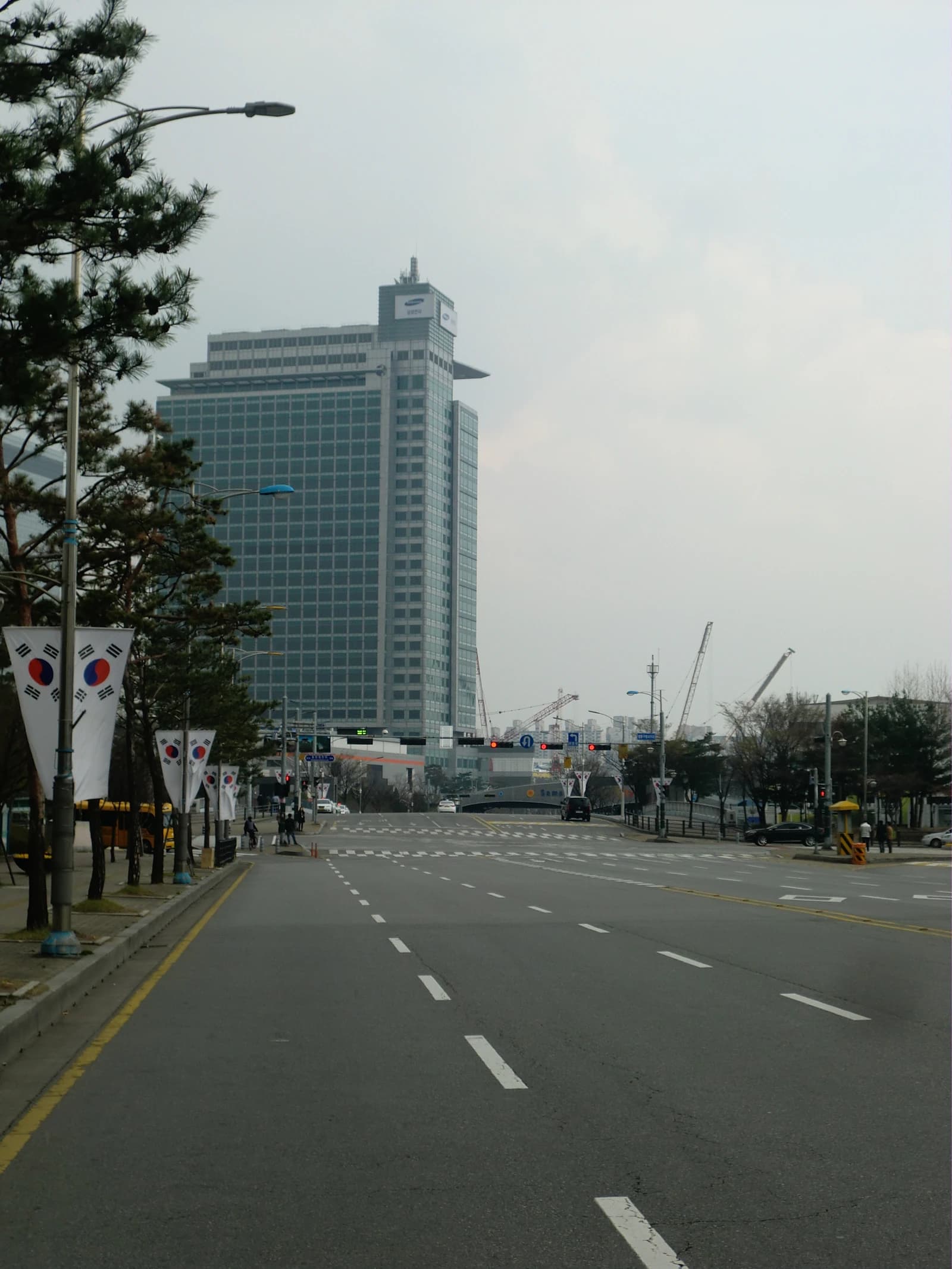
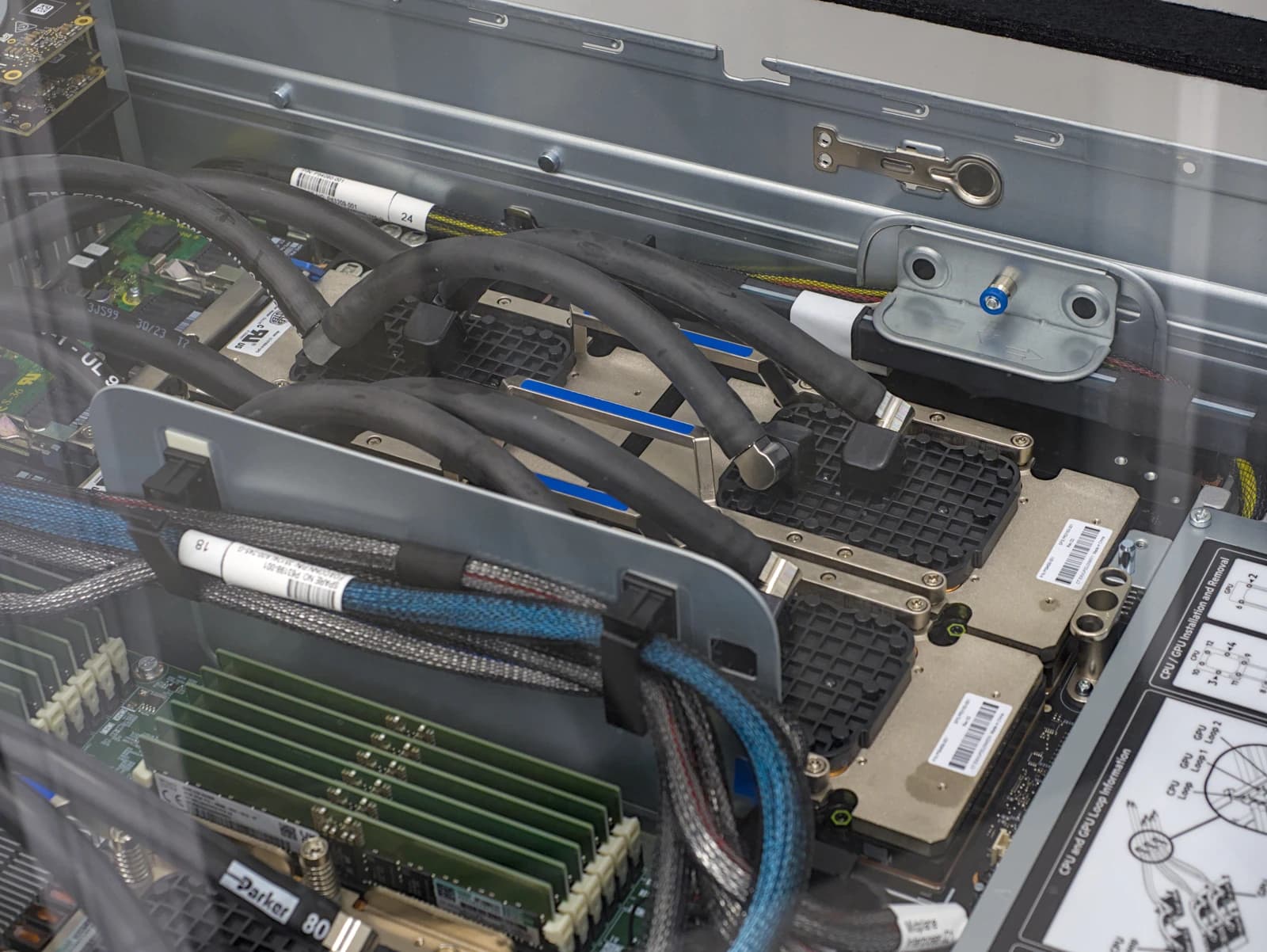
Nvidia is reportedly set to ship only about 1% of the RTX chips ordered by Alibaba and Tencent, a reminder that the AI boom is running headlong into production limits and export constraints at the same time.
Nvidia RTX chip shipments to Alibaba and Tencent
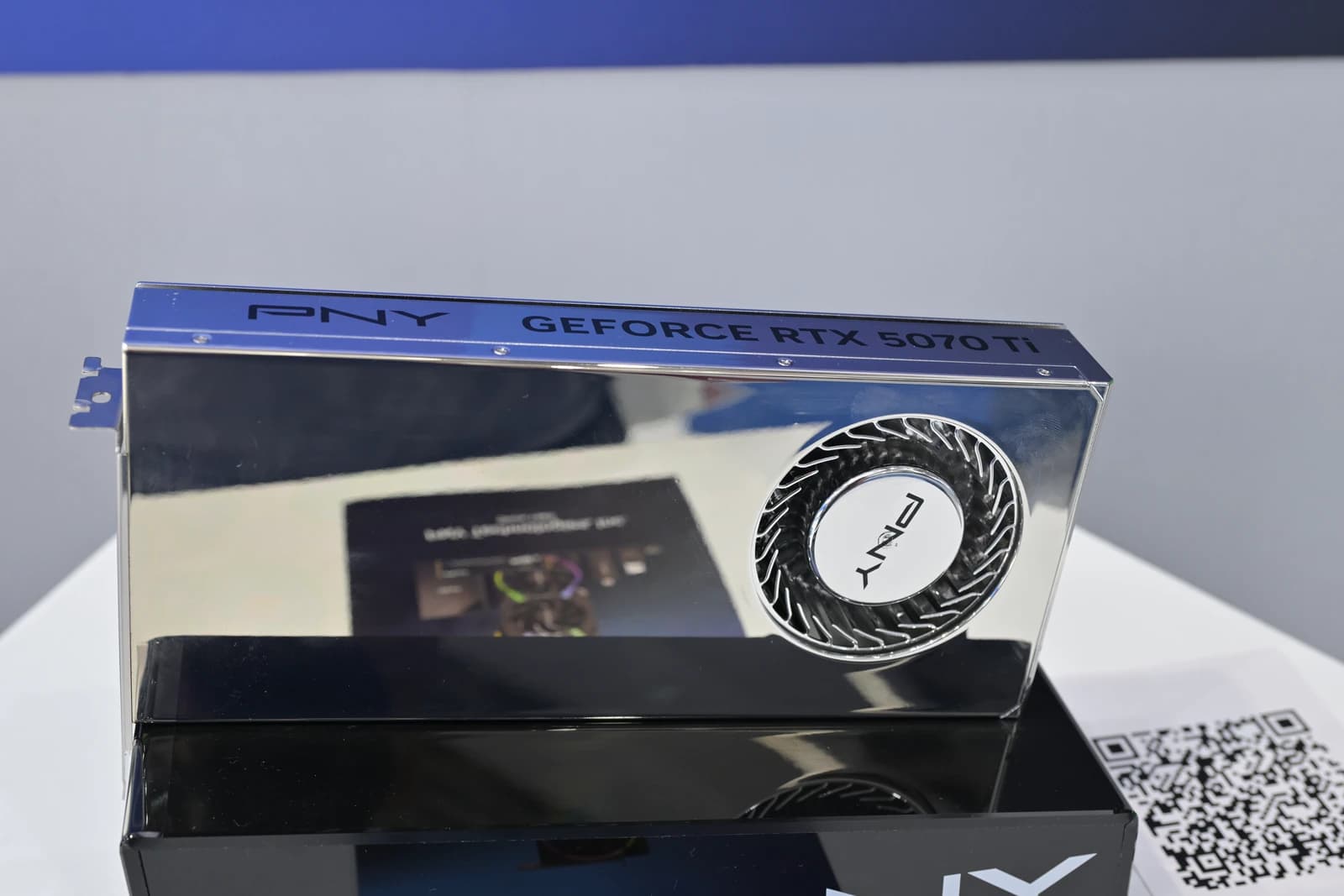
That matters because the shortage is not just a supply-chain footnote. It shows how badly demand for advanced AI hardware still outstrips supply, even for the world’s most coveted chipmaker. When a customer base as large as China’s cloud and internet giants cannot get the chips it wants, the bottleneck shifts from sales execution to manufacturing capacity, packaging, substrates and geopolitics.
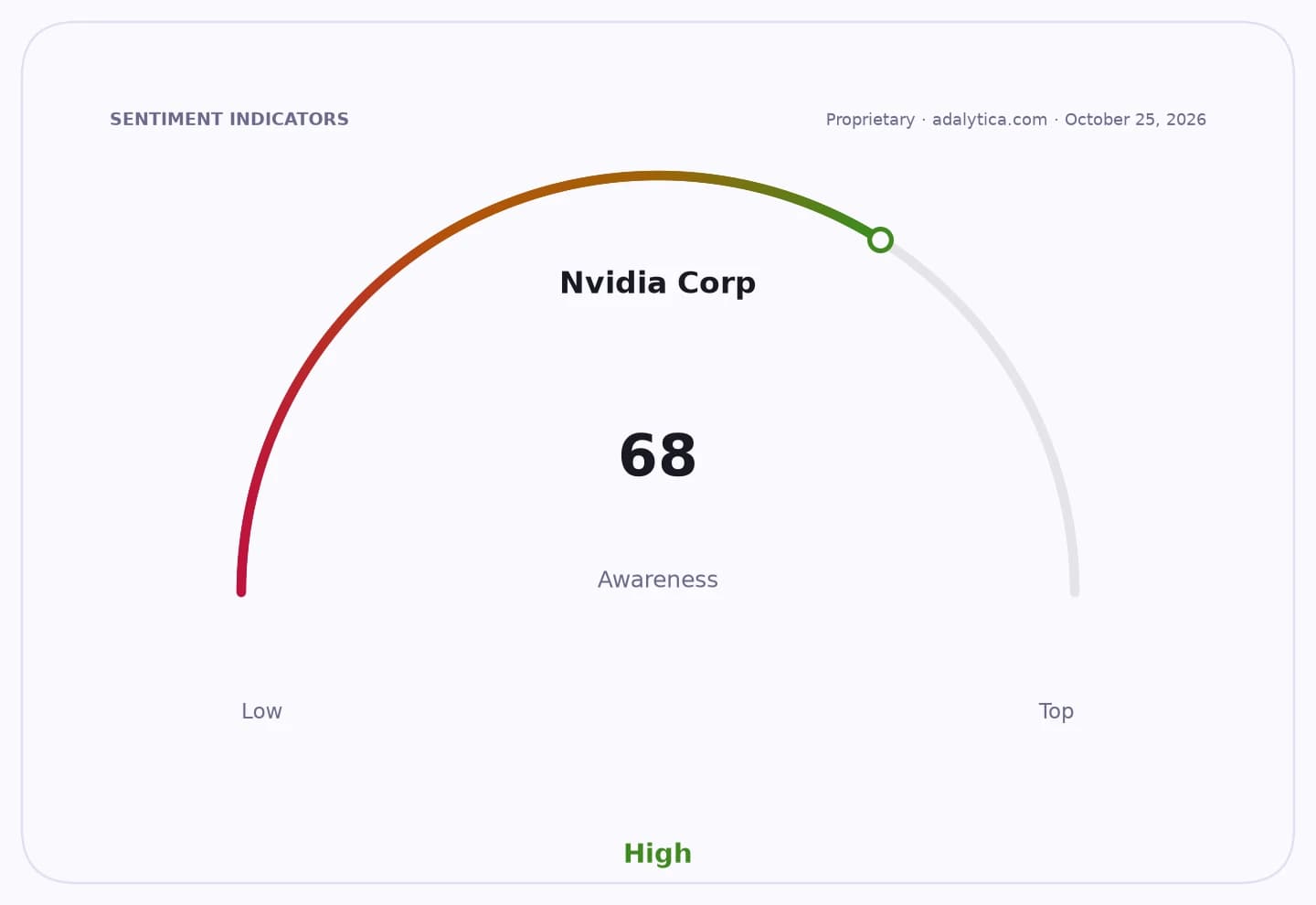
Sentiment Indicators
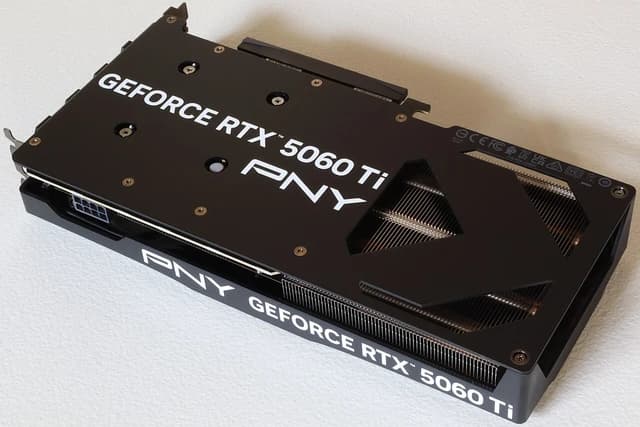
For investors, that creates a very different question than “can Nvidia sell everything it makes?” The answer appears to be yes. The real issue is how quickly it can convert demand into shipments without choking off margins or disappointing customers. Nvidia has already told investors its supply and capacity commitments have jumped to $279 billion from $119 billion last quarter, underscoring how hard it is working to keep up with orders. Yet the latest report suggests even that may not be enough in the near term.
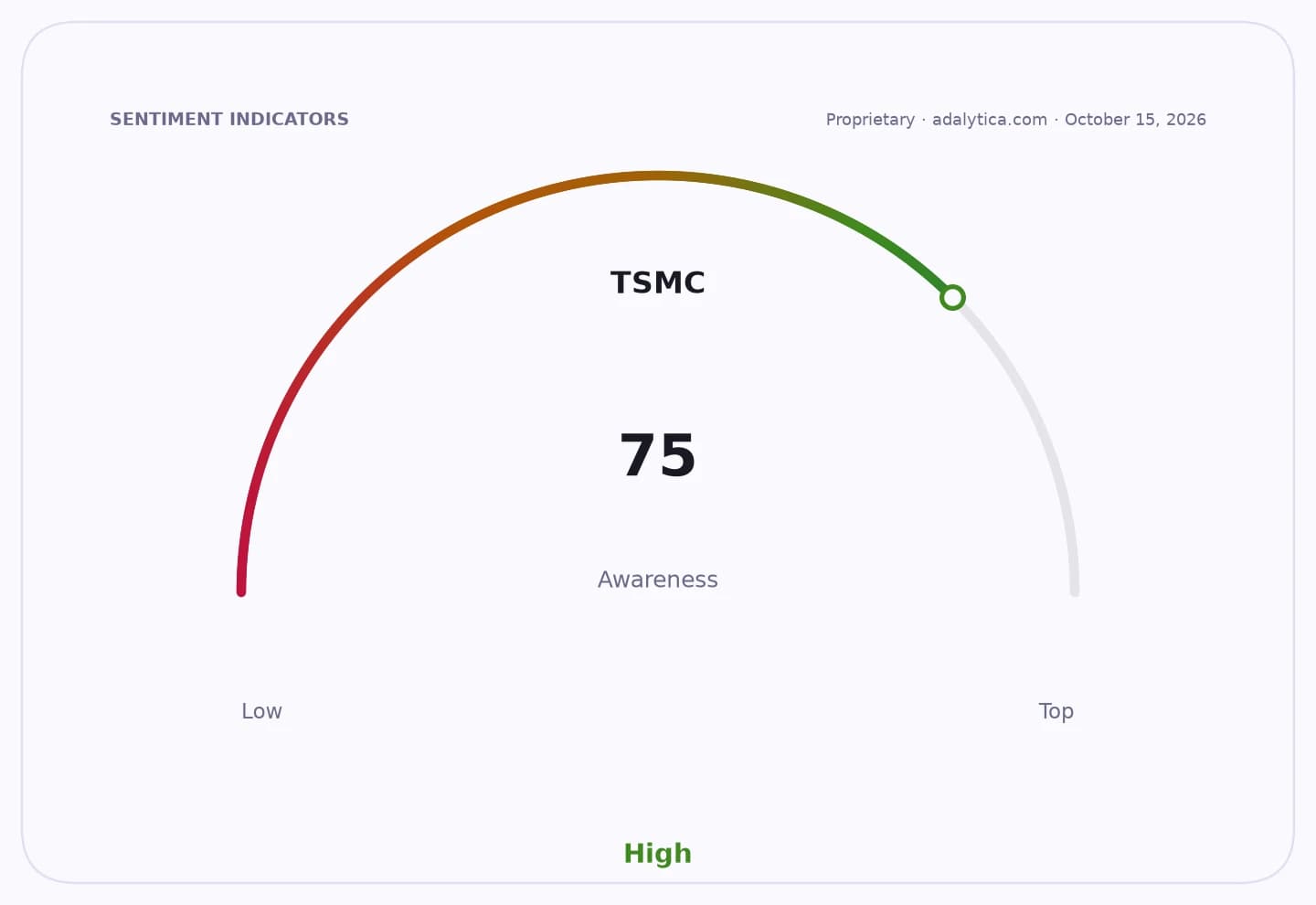
The pressure is rippling through the semiconductor chain. TSMC, the key foundry for Nvidia and many other chip designers, has seen its shares swing sharply this year as investors weigh booming AI demand against the challenge of scaling output. Nvidia’s own stock has also become more volatile, with recent technical indicators showing the shares trading below both the 50-day and 200-day moving averages and weak RSI readings, a sign of how quickly sentiment can turn when supply headlines dominate.
TSMC
At the same time, the chip cycle is still fundamentally strong. AMD just reported record quarterly revenue on surging AI data center demand, and suppliers such as Siltronic are lifting outlooks as the industry feels the benefit of the buildout. That is the larger investment story here: AI infrastructure spending is not cooling, but it is becoming more constrained by industrial realities.
For long-term investors, that is not a reason to abandon the names that sit at the center of the AI supply chain. It is a reason to expect lumpy execution. Nvidia, TSMC and the broader semiconductor ecosystem still have powerful secular tailwinds, but the road from order books to delivered chips will be uneven, especially in China. The stocks are worth watching, but patience will matter.
| Entity | Gains | Losses |
|---|---|---|
| Nvidia | ▲Scarcity supports pricing power | ▼Missed near-term shipments |
| Alibaba and Tencent | ▲Long-term AI demand remains intact | ▼Delayed access to GPUs |
| TSMC | ▲More foundry demand | ▼Capacity strain and execution pressure |
| Semiconductor suppliers | ▲Higher industry spending | ▼Supply bottlenecks persist |