NVIDIA’s push into advanced semiconductor substrates with Samsung Electro-Mechanics underscores how the AI chip boom is pulling more capital into the back end of the supply chain, where packaging and interconnect capacity has become a bottleneck for next-generation processors.
NVIDIA Invests in Samsung Electro-Mechanics Substrates

The investment matters because advanced substrates are a critical input for high-performance AI chips, helping connect dies and manage heat and power at the densities required by NVIDIA’s latest systems. As AI demand keeps climbing, control over that supply chain can determine how quickly chips ship, how much margin is preserved and which suppliers gain the pricing leverage.
Sentiment Indicators
For investors, the deal reinforces the thesis that the most attractive profits in AI are not just in chip design, but also in the materials and manufacturing layers that support it. That has implications for NVIDIA’s gross margin trajectory, for Samsung Electro-Mechanics’ growth prospects and for rivals competing for substrate capacity, including other Asian component makers and foundry ecosystem partners.
The move lands as semiconductor shares remain volatile and investors continue to rotate between enthusiasm over AI spending and concern about execution risk, export controls and supply constraints. NVIDIA shares have slipped to $204.64 from a recent high of $235.20 in mid-May, while technical readings show the stock below its 50-day moving average and near the lower end of its Bollinger Band range, a sign of recent pressure even after a strong run.
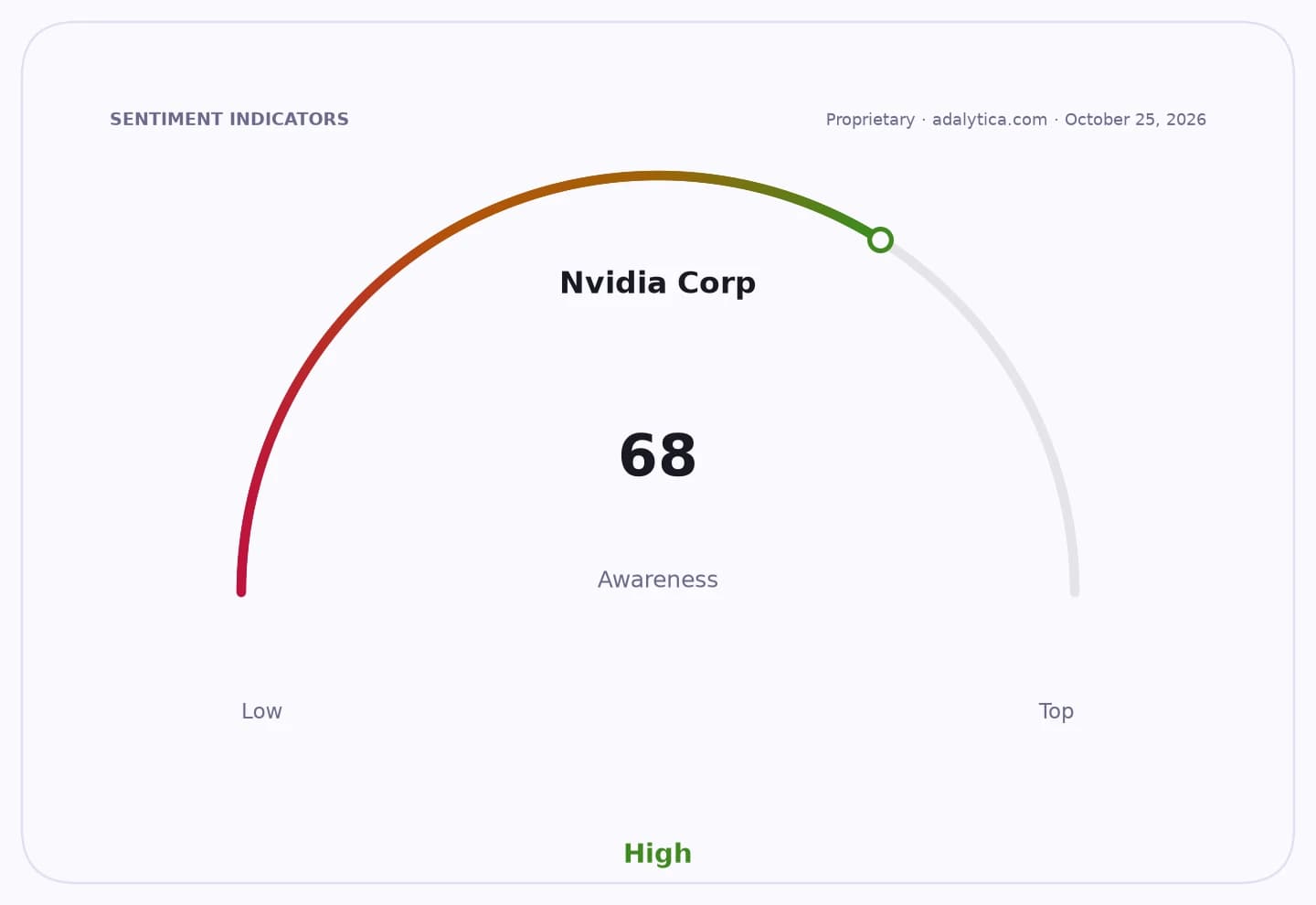
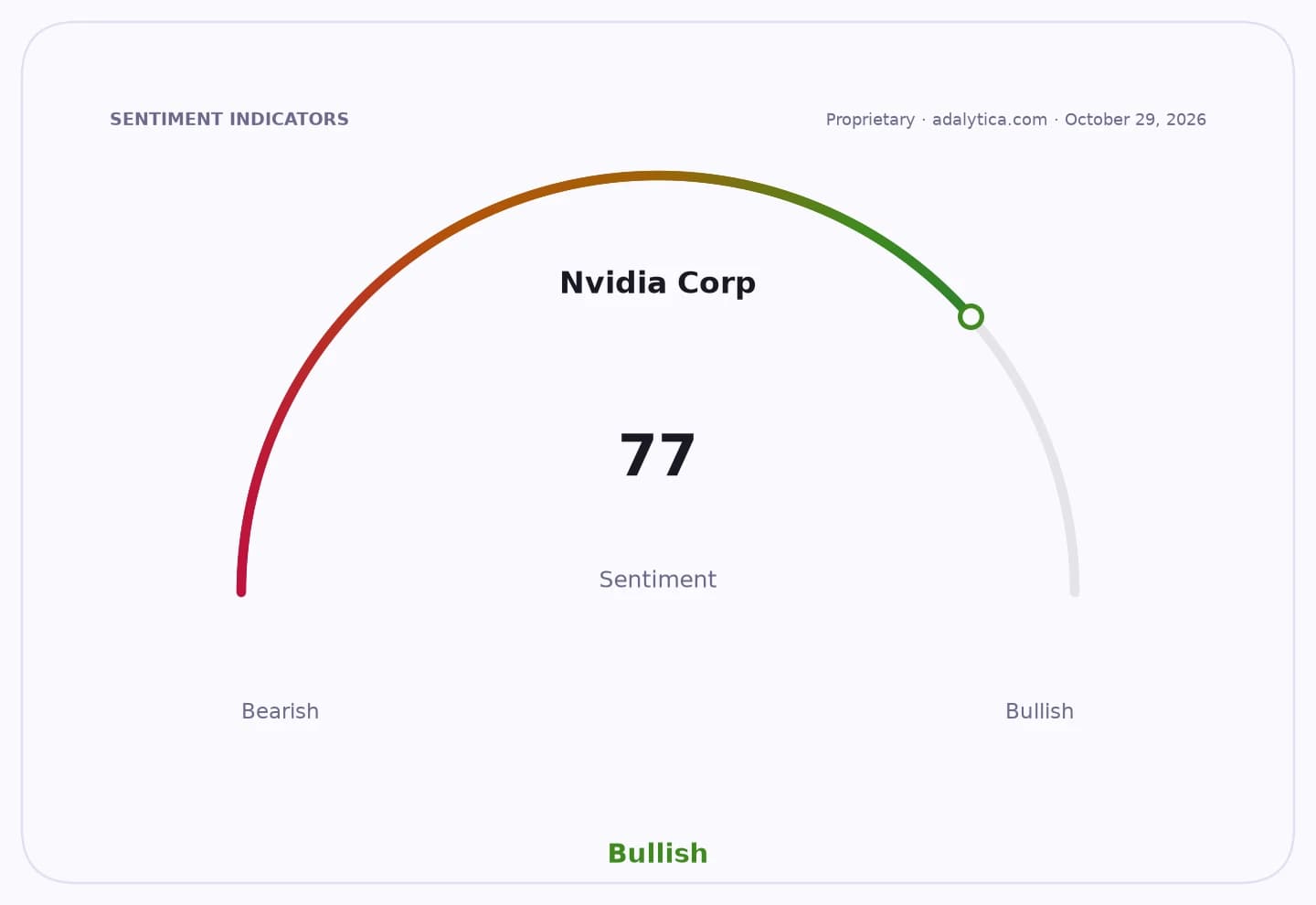
Adalytica’s proprietary NVIDIA earnings sentiment snapshot still reads at 100, or “Extreme Greed,” even as awareness sits at 4, or “Extreme Fear,” suggesting intense investor attention but limited room for complacency. That mismatch points to a market still pricing in heavy AI growth, while also demanding proof that suppliers can keep up.
For Samsung Electro-Mechanics, the stake could deepen its role in a strategically important segment of the AI hardware chain. For NVIDIA, it is another sign that securing capacity, not just designing chips, is central to staying ahead as hyperscale customers keep ordering AI systems.
| Entity | Gains | Losses |
|---|---|---|
| NVIDIA | ▲Substrate supply security | ▼Short-term capital outlay |
| Samsung Electro-Mechanics | ▲AI-linked demand, strategic backing | ▼Execution pressure |
| Rival substrate makers | ▲Industry spillover demand | ▼Pricing leverage |
| AI chip buyers | ▲More capacity over time | ▼Higher component costs |