A guilty plea from a contractor tied to Super Micro Computer has put one of the AI boom’s most practical weak spots back in focus: how easily advanced Nvidia servers can be rerouted into China despite tighter U.S. export rules.
Nvidia, Super Micro Face China Export Risk
That matters because the AI trade is no longer just about chip demand and data-center spending. It is also about enforcement, compliance and the possibility that high-end hardware meant for approved customers can leak into restricted markets, undercutting U.S. policy and raising legal risk for the companies that build and move the equipment.
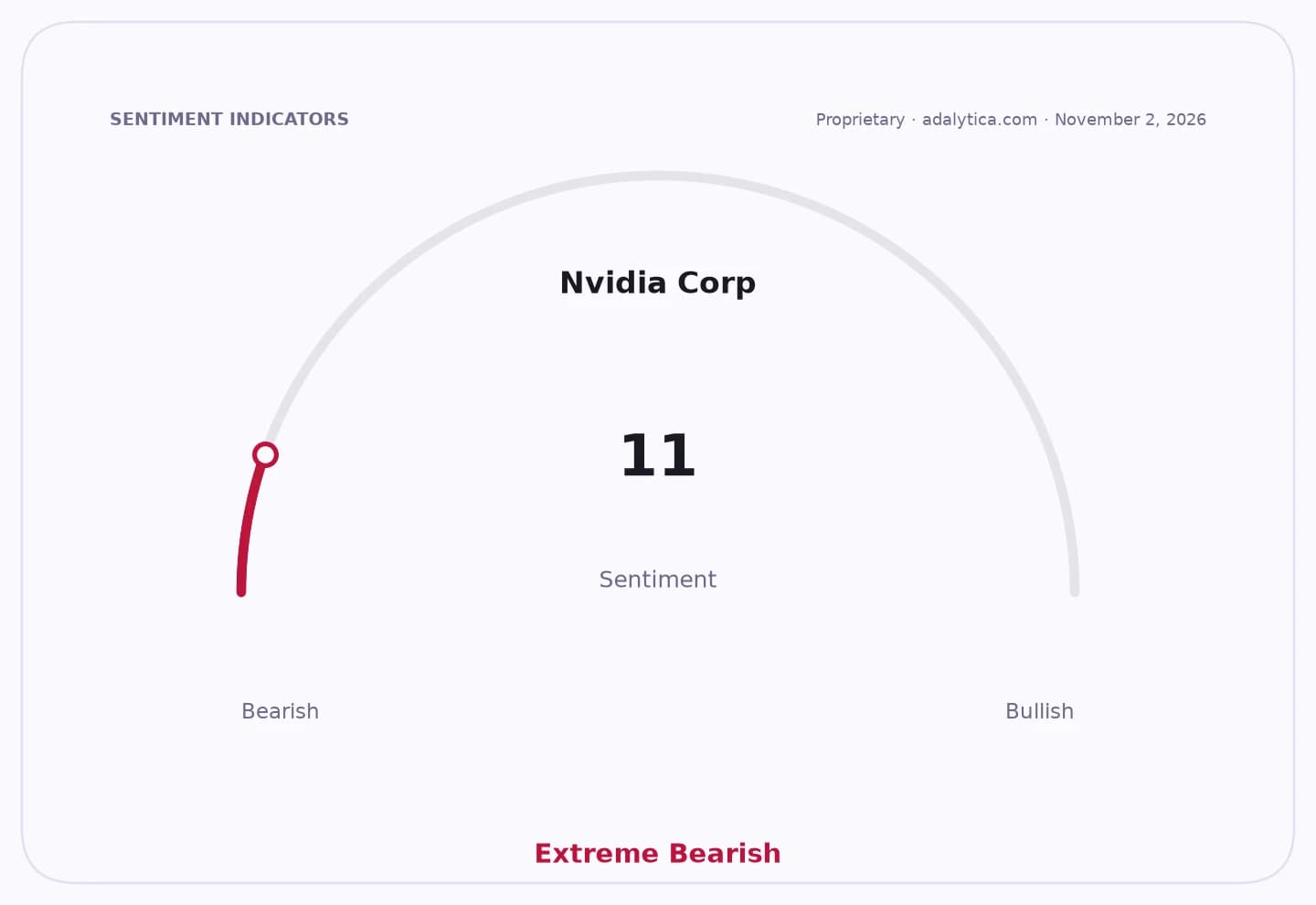
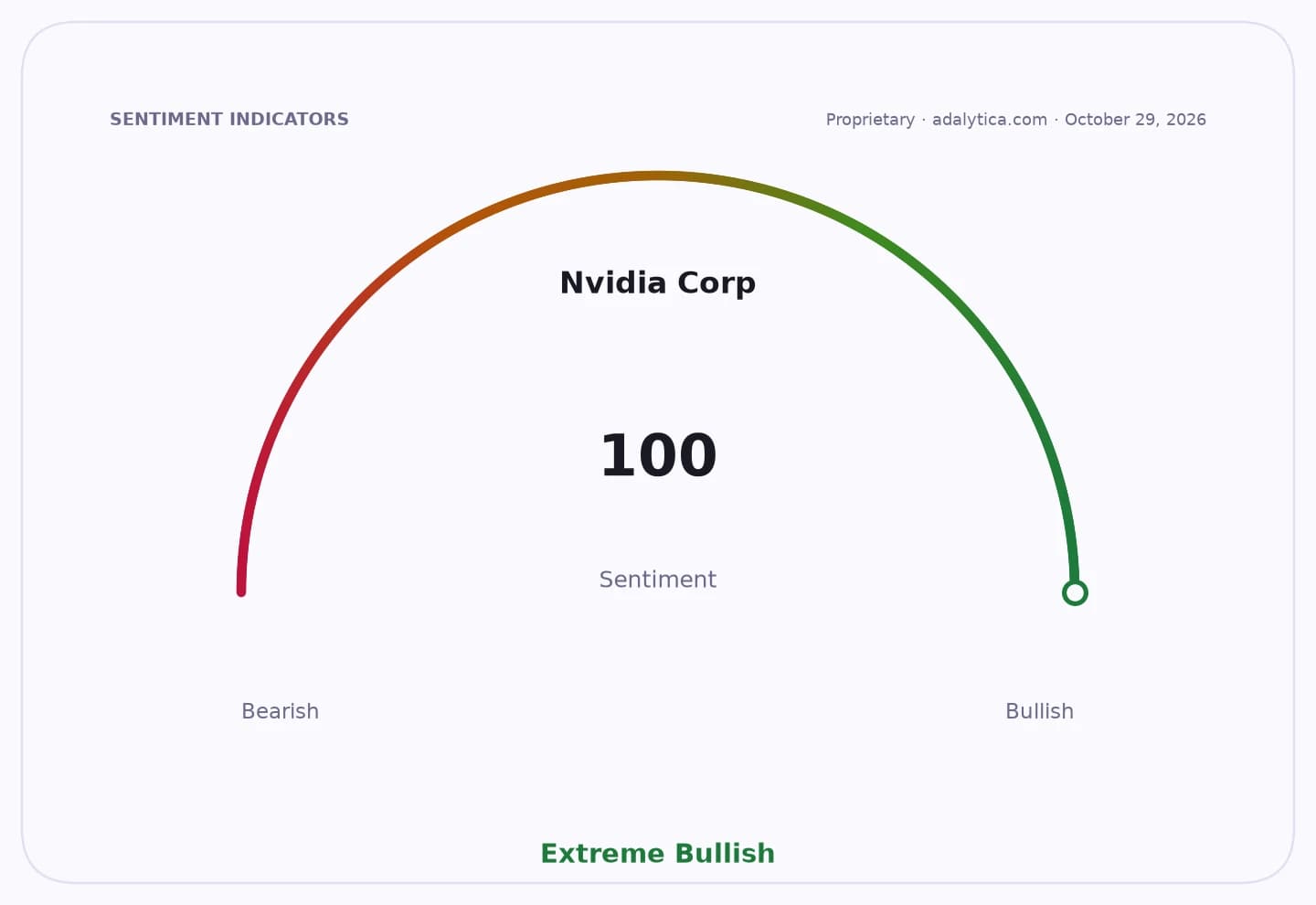
Sentiment Indicators
For Nvidia, the issue goes straight to a key long-term debate. The company remains the dominant supplier of the GPUs powering AI training and inference, and its shares have been riding a powerful earnings story — the stock closed at $226.82 on Oct. 12, above both its 50-day and 200-day moving averages. But export controls have become a real business constraint, and the latest case reinforces how hard it is to police an ecosystem built on contractors, distributors and resellers. Nvidia has already told regulators that attempted diversion and shifting export rules can disrupt supply chains and distribution channels.
Super Micro sits even closer to the blast radius. The server maker’s business depends heavily on fast-turn AI infrastructure sales, much of it tied to Nvidia components. Its stock, at $39.89 on Oct. 12, has been volatile but still sits above its 200-day average, showing investors have not abandoned the story. Still, a contractor pleading guilty to diversion allegations is exactly the kind of headline that can force a premium multiple lower, at least until investors are convinced compliance controls are stronger than the market’s lingering suspicions.
Economically, the episode highlights the bottleneck between U.S. AI leadership and China’s determination to secure compute capacity. Washington wants to keep the most advanced systems out of Chinese hands, but demand is global and the supply chain is sprawling. Every successful diversion attempt suggests that export restrictions are not just a trade-policy issue — they are a revenue, margin and governance issue for the companies doing business at the center of the AI buildout.
Investors should read that as both a risk and an opportunity. The risk is obvious: more scrutiny, more investigations and potentially more restrictions on where high-end AI systems can be sold. The opportunity is that the long-term demand picture for AI hardware is still enormous, and companies with the best products and the strongest compliance systems can keep winning. But in this market, leadership is not enough on its own. Execution, transparency and controls matter just as much as raw growth.
Adalytica’s NVIDIA Earnings Sentiment snapshot showing “Extreme Greed” alongside low awareness is a reminder that enthusiasm can run ahead of risk. That does not make Nvidia or Super Micro broken stories. It does mean investors should expect periodic shakeouts whenever geopolitics collides with AI supply chains.
For long-term investors, the takeaway is simple: the AI buildout remains compelling, but the winners will be the companies that can grow without becoming compliance liabilities. Nvidia is still the core name to watch, while Super Micro needs to prove it can scale responsibly. Both are worth holding on the radar, but only with eyes open to the regulatory overhang.
| Entity | Gains | Losses |
|---|---|---|
| U.S. regulators | ▲stronger enforcement case | ▼slower, messier compliance |
| Nvidia | ▲long-term policy clarity | ▼near-term export risk |
| Super Micro | ▲scrutiny on controls | ▼reputation and margin pressure |
| China buyers | ▲access to diverted supply | ▼tighter hardware access |