Oceaneering International is already operating across Texas, California, Kansas, Connecticut, Florida and Indiana with at least 3,000 U.S. employees, underscoring how deeply the subsea and defense contractor is embedded in the American industrial base as security and energy spending stay elevated.
Oceaneering International U.S. Footprint and Turnaround

That domestic footprint matters because Oceaneering’s U.S. exposure gives it leverage to benefit from federal and private-sector demand tied to offshore energy, robotics, and defense work at a time when companies with onshore capacity are still being favored over more geopolitically exposed suppliers. The company has also been trimming lower-return U.S. land-based service operations in its Completion and Production Services unit, a sign it is trying to push the portfolio toward higher-value work.
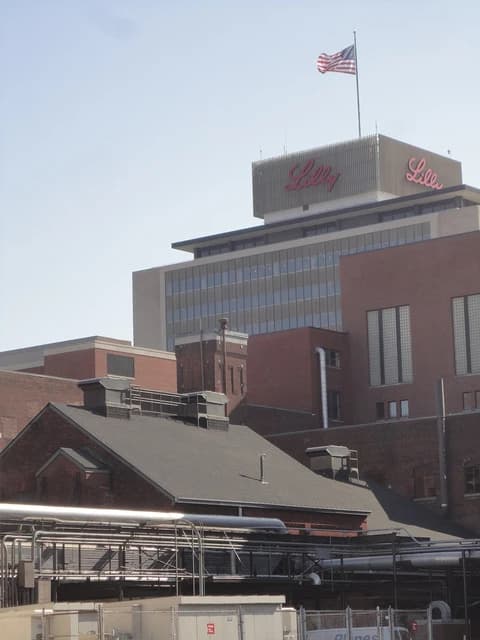
For investors, the mix is important because it can support margins even as activity remains uneven in parts of the energy market. The stock has been volatile, but shares recently traded at $8.76, below the 200-day moving average of $9.07 and just under the 50-day moving average of $8.44, suggesting the market is still weighing the company’s turnaround against recent gains.
Momentum had been strong earlier this year, with the stock surging to $14.39 in February before retreating. Recent trading has been more subdued, and the latest close left the stock near the lower end of its recent range, while RSI readings eased to 40.0, down from overbought levels above 80 in late February.
The broader narrative is that Oceaneering is trying to convert its installed U.S. presence into steadier, higher-margin business while the market remains sensitive to offshore drilling demand, defense spending and international activity swings. The next catalysts are likely to come from customer spending trends in energy services and any further evidence that its U.S. restructuring is boosting profitability.
| Entity | Gains | Losses |
|---|---|---|
| Oceaneering International | ▲Higher-value U.S. work | ▼Low-return land services |
| U.S. defense and energy customers | ▲Domestic supply capacity | ▼Reliance on exposed foreign providers |
| Long-term investors | ▲Margin improvement potential | ▼Near-term volatility |
| Short-term traders | ▲Trading swings | ▼Momentum fade near resistance |