Odisha’s receipt of Rs 14 lakh from India’s National Biodiversity Authority under an access and benefit-sharing framework for cotton conservation is a small sum, but it points to a larger policy shift: biodiversity is being treated not just as an environmental goal but as an economic asset that can support farm incomes.
Odisha Cotton Payout Signals Biodiversity Monetization
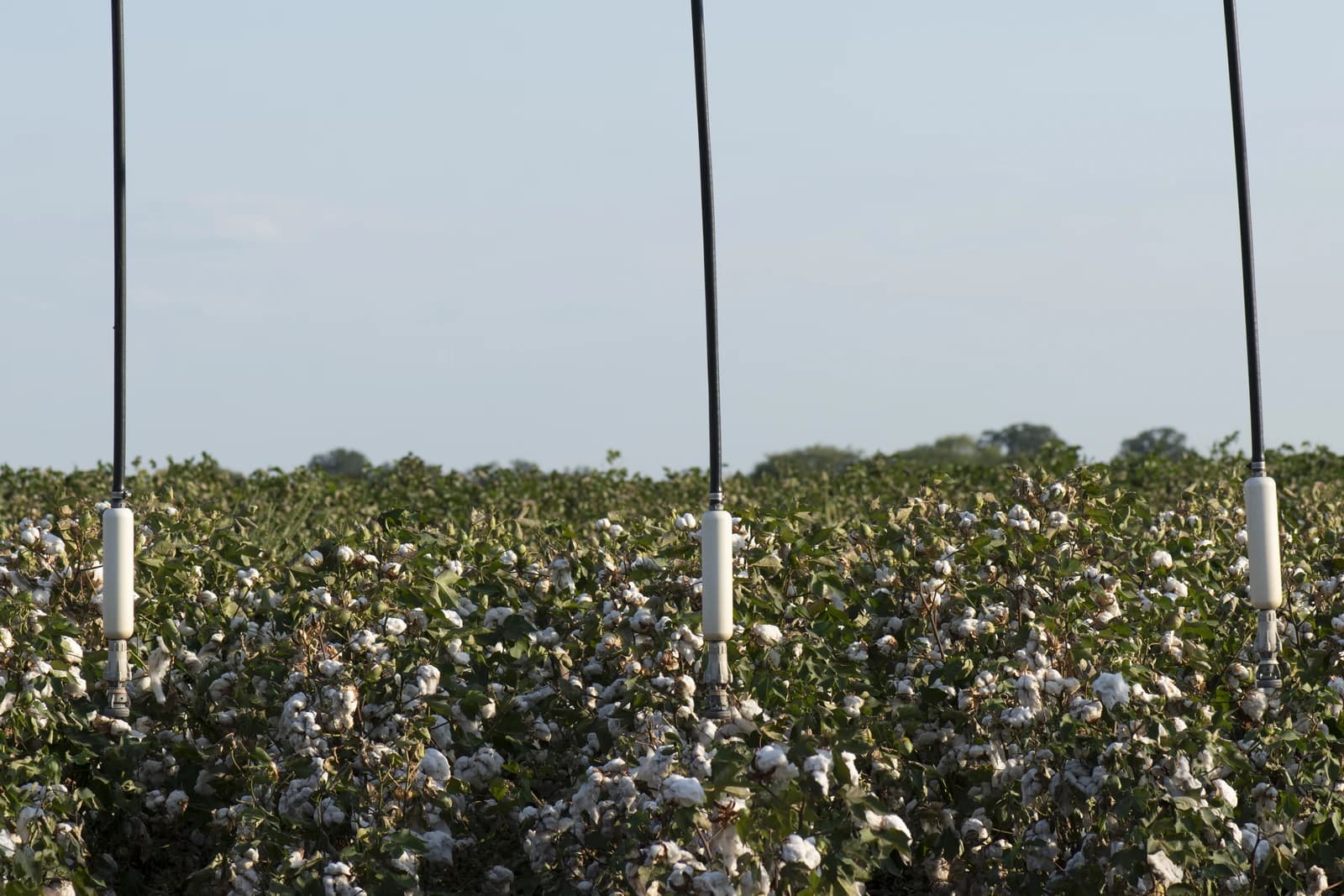
The payment matters because it links the preservation of local cotton genetic resources to direct financial benefit for communities that maintain them. In a commodity sector where price volatility, input costs and yield risk can quickly compress margins, even modest non-market income can improve the economics of cultivation, particularly for smallholders. It also reinforces the idea that agricultural biodiversity has commercial value beyond the raw cotton supply chain, creating a precedent for monetizing conservation through formal benefit-sharing mechanisms.
For investors and agribusinesses, the significance is less about the rupee amount than the policy direction. India is increasingly trying to align farm livelihoods with biodiversity conservation, which could shape how states, seed developers and textile-linked supply chains think about germplasm access, traceability and local sourcing. That has implications for seed banks, research institutions and companies exposed to cotton procurement, especially if future rules tie more crop-linked intellectual property or genetic resources to compensation frameworks.
The broader backdrop is a cotton market under pressure from production swings, climate stress and geopolitical sensitivity. Global cotton has re-emerged as a strategic agricultural commodity, while output disruptions in major producing regions have underscored how vulnerable supply can be. Against that backdrop, India’s use of access and benefit sharing suggests a push to preserve resilience at the farm level rather than rely solely on higher planted area or better yields.
The bull case is that such programmes can help protect local varieties, strengthen farmer participation in conservation and create a more stable long-term foundation for cotton production. The bear case is that the financial sums are too small to materially alter cultivation decisions unless they are scaled up, simplified and paired with broader support on productivity and market access.
For now, Odisha’s payout is best read as an early signal that biodiversity policy is moving closer to agricultural economics. If replicated across crops and states, it could become part of a wider framework for rewarding conservation while building resilience in India’s farm sector.
| Entity | Gains | Losses |
|---|---|---|
| Odisha farmers | ▲Conservation-linked income | ▼Limited payout scale |
| Biodiversity authority | ▲Policy credibility | ▼Administrative burden |
| Cotton supply chain | ▲Genetic resilience | ▼Higher compliance complexity |
| Seed developers/procurers | ▲Access clarity | ▼Tighter sharing obligations |