Rising oil prices, driven by renewed U.S.-Iran military tensions, collided with a sharp reset in Federal Reserve rate expectations and a jump in global bond yields last week, leaving commodities caught between geopolitical risk and tighter financial conditions.
Oil rises as Fed rate bets reset

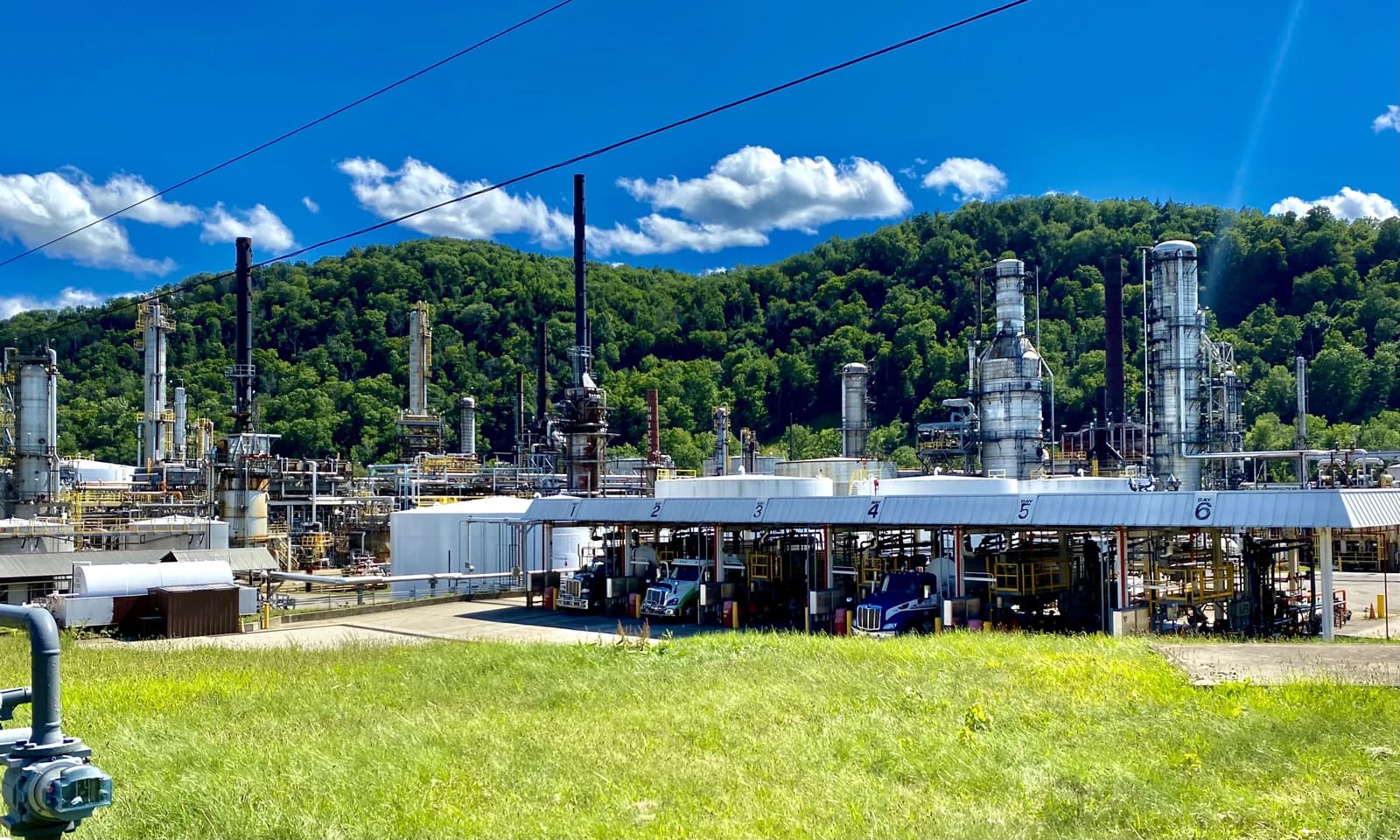
The clearest market signal came from energy. Brent gained 7.2% on the week as fears mounted that intensified U.S. attacks on Iran could disrupt shipments through the Strait of Hormuz, one of the world’s most important oil chokepoints. U.S. crude inventories fell by 4.5 million barrels to 424.5 million, while refinery utilization climbed to 98%, the highest since August 2018, adding a near-term supply-and-demand tailwind.
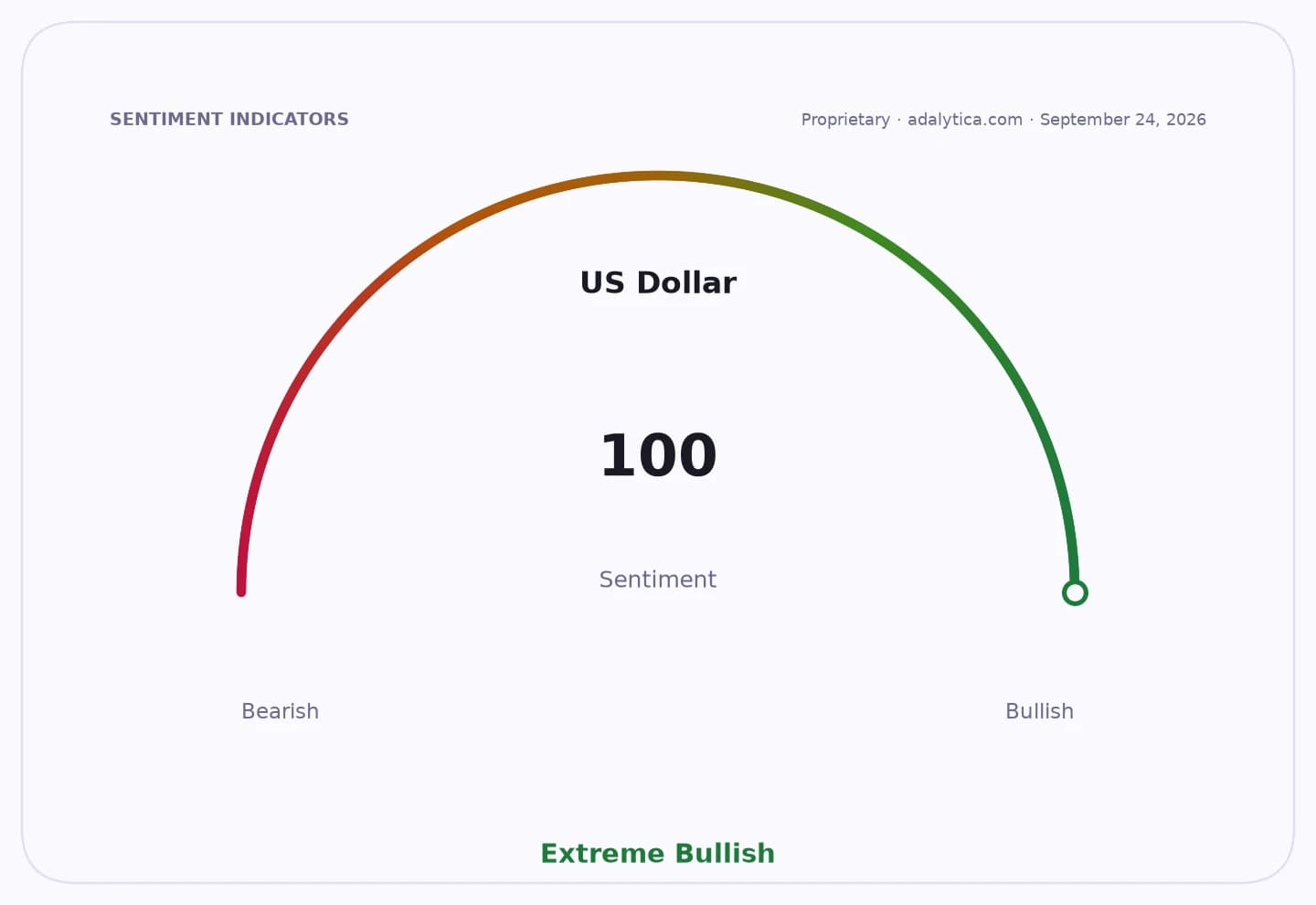
Sentiment IndicatorsⓘProprietary · adalytica.com · September 6, 2026
This is a snapshot — live sentiment, awareness and momentum for 130+ markets update continuously in the dashboard.Open AlphaPulse
That matters far beyond the energy complex. A sustained oil rally feeds directly into inflation expectations, which in turn pushes up sovereign yields and complicates the Fed’s path. The U.S. 10-year Treasury yield touched 4.82%, its highest since November 2023, before ending the week up 6 basis points at 4.79%. The 2-year yield rose to 4.42%, its highest since January, underscoring how quickly markets are repricing the policy outlook as traders weigh both sticky inflation and a still-resilient labor market.
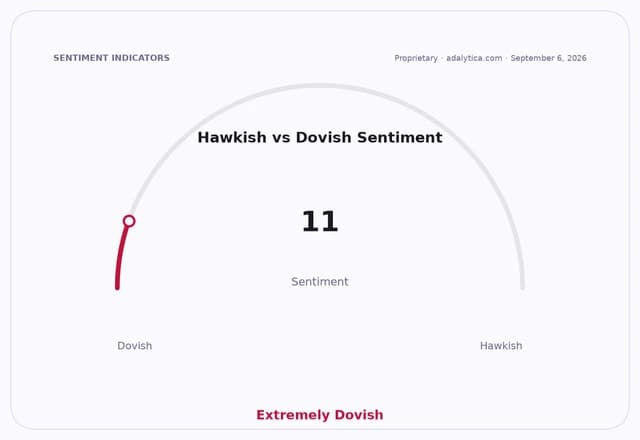
Fed messaging helped drive the swings. New York Fed President John Williams said high energy prices had not yet spilled into services inflation, while Governor Christopher Waller said he could support holding rates steady in September if incoming data showed easing inflation pressures. But the tone shifted after ADP private payrolls came in below expectations, only for the official nonfarm payrolls report to show 162,000 jobs added in August, more than double forecasts, and the probability of a September rate increase jumped to 65%.
Hawkish vs Dovish Sentiment vs CL=Fadalytica.com
Explore this data interactively — full history, time series and cross-market comparisons.Open AlphaPulse

For investors, the combination is toxic for broad commodities in the short run and selective in the long run. Higher yields and a stronger dollar usually weigh on gold and industrial metals by raising the opportunity cost of holding non-yielding assets and tightening financial conditions. That was visible in precious metals, where gold and silver slipped after the labor data revived tightening bets, even as central bank demand remained firm. The World Gold Council said official institutions added 23 tons of gold in July, with China extending its buying streak to 21 months.
Industrial metals had a more idiosyncratic week. Zinc rose toward a four-year high on falling LME inventories and tighter physical supply, while copper gained on record U.S. refined imports and a 13% weekly drop in Shanghai stocks. Those moves suggest that supply constraints can still overpower macro headwinds, but the broader direction for the asset class remains tied to the Fed and the dollar.
The bigger narrative is that commodities are being pulled by two different macro engines at once: Middle East risk is lifting energy and inflation hedges, while firmer U.S. data and higher bond yields are tightening the financial conditions that usually cap rallies across the rest of the complex. That leaves oil and natural gas better supported than gold, base metals or agriculture unless the geopolitical shock deepens into a wider supply disruption or the Fed turns more clearly dovish.
| Entity | Gains | Losses |
|---|---|---|
| Oil producers | ▲Higher crude prices | ▼Demand-sensitive consumers |
| Gold buyers/central banks | ▲Safe-haven demand | ▼Yield-sensitive speculators |
| Fed hawks | ▲Strong jobs data | ▼Rate-cut advocates |
| Bond investors | ▲Higher yields available | ▼Existing bondholders |