Asian equities opened lower on Wednesday as a jump in oil prices rekindled inflation worries and pushed investors into a defensive stance ahead of a critical run of U.S. price data, with the Federal Reserve’s next move hanging on whether energy shock starts to seep into broader inflation.
Oil Prices Rise as Asia Stocks Fall on Inflation Fears

The pressure point for markets is simple: crude has moved back above $100 a barrel, dragging up the risk that inflation stops cooling just as investors had begun to price in a softer policy path. That is a bad mix for risk assets. Higher energy costs filter quickly into transport, manufacturing and consumer spending, and if they show up in Thursday’s producer price index and Friday’s consumer price index, they could force the Fed to stay tighter for longer.
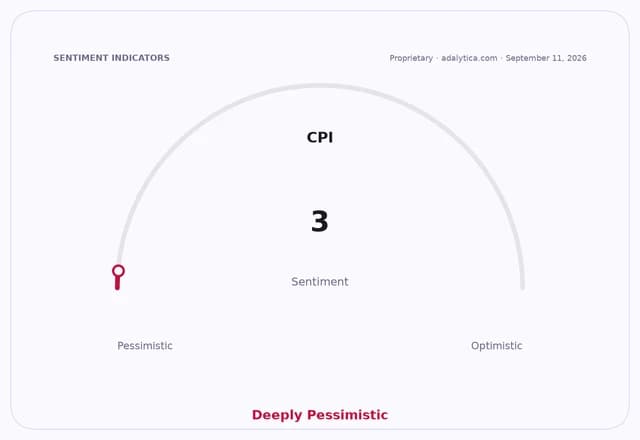
Sentiment IndicatorsⓘProprietary · adalytica.com · September 11, 2026
This is a snapshot — live sentiment, awareness and momentum for 130+ markets update continuously in the dashboard.Open AlphaPulse

Brent’s move through $100 for the first time in six weeks came after fighting in the Middle East intensified, reviving fears of supply disruption in a market already sensitive to geopolitics. U.S. crude futures were trading near $102.48 a barrel, with the 50-day moving average and 200-day moving average both below current levels, while RSI readings showed the rally had already entered overbought territory. That tells you the market is not just reacting to a one-day spike; it is repricing a higher inflation regime.
The Asian session reflected that shift in sentiment. Japan’s Nikkei opened down 0.57%, Hong Kong’s Hang Seng fell 1.14%, and Australia’s S&P/ASX 200 dropped 1.36%, with South Korea and Shanghai also weaker. The region is especially exposed because imported energy costs move quickly through trade balances, corporate margins and consumer confidence. For exporters, a firmer oil market can support commodity-linked revenues; for import-dependent economies, it is an inflation tax.
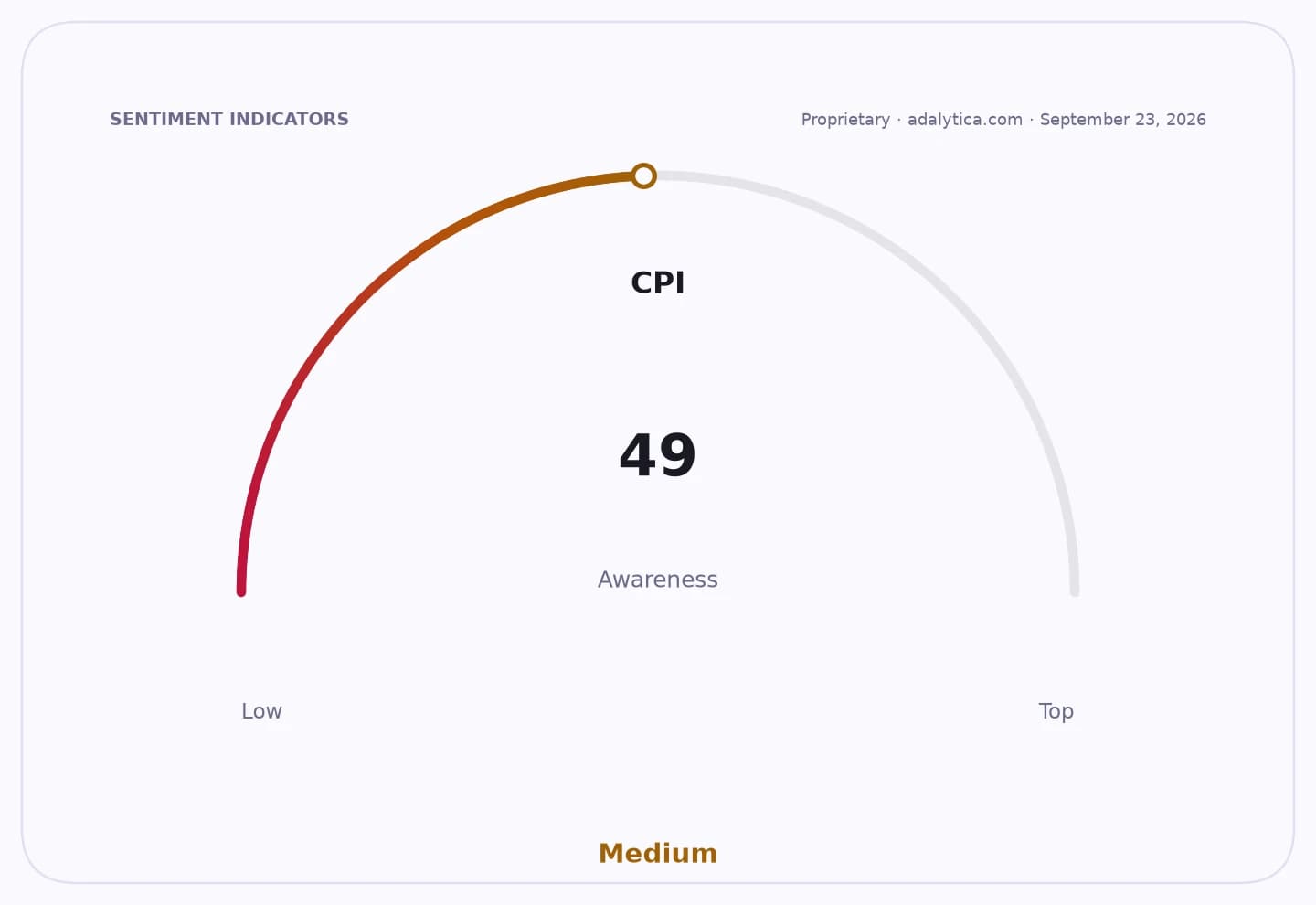
DCOILWTICO vs CPIAUCSL — macro contextadalytica.com
Explore this data interactively — full history, time series and cross-market comparisons.Open AlphaPulse
The bond market is sending the same warning. U.S. Treasury yields were firmer even after Washington announced a $6 billion buyback program, suggesting investors are still demanding more compensation for inflation and supply risk. The 10-year yield backdrop matters because it feeds directly into equity valuations, especially for long-duration growth stocks that have led the market higher this year.
All eyes now turn to the U.S. inflation prints. Economists expect headline CPI to rise 3.4% year over year in August, unchanged from July, while core CPI is seen easing only slightly to 2.4% from 2.5%. That may not sound dramatic, but in a market this sensitive, the difference between “steady” and “sticky” inflation could decide whether the Fed delivers another rate increase at its Sept. 15-16 meeting. CME FedWatch data already puts the odds of a hike at about 60%.
For investors, the setup argues for owning the beneficiaries of persistent energy inflation and staying cautious on rate-sensitive assets. Oil producers, energy services, defense names tied to geopolitical tension and select commodity exporters should remain in favor if crude stays elevated. By contrast, airlines, consumer discretionary, high-multiple tech and other margin-sensitive sectors look vulnerable if fuel costs continue to rise and yields keep moving higher.
The bigger message is that oil has turned from a background risk into the market’s main macro catalyst. If this week’s CPI confirms that energy is re-accelerating inflation, the rally in equities will face a tougher test, and the safest trades will be those built for a world of expensive capital and expensive fuel.
| Entity | Gains | Losses |
|---|---|---|
| Oil producers | ▲Higher realized prices | ▼Volatile demand outlook |
| Asian importers | ▲None | ▼Higher energy bills |
| U.S. Treasuries | ▲Safe-haven inflows | ▼Yield pressure from inflation |
| Rate-sensitive equities | ▲None | ▼Higher discount rates |