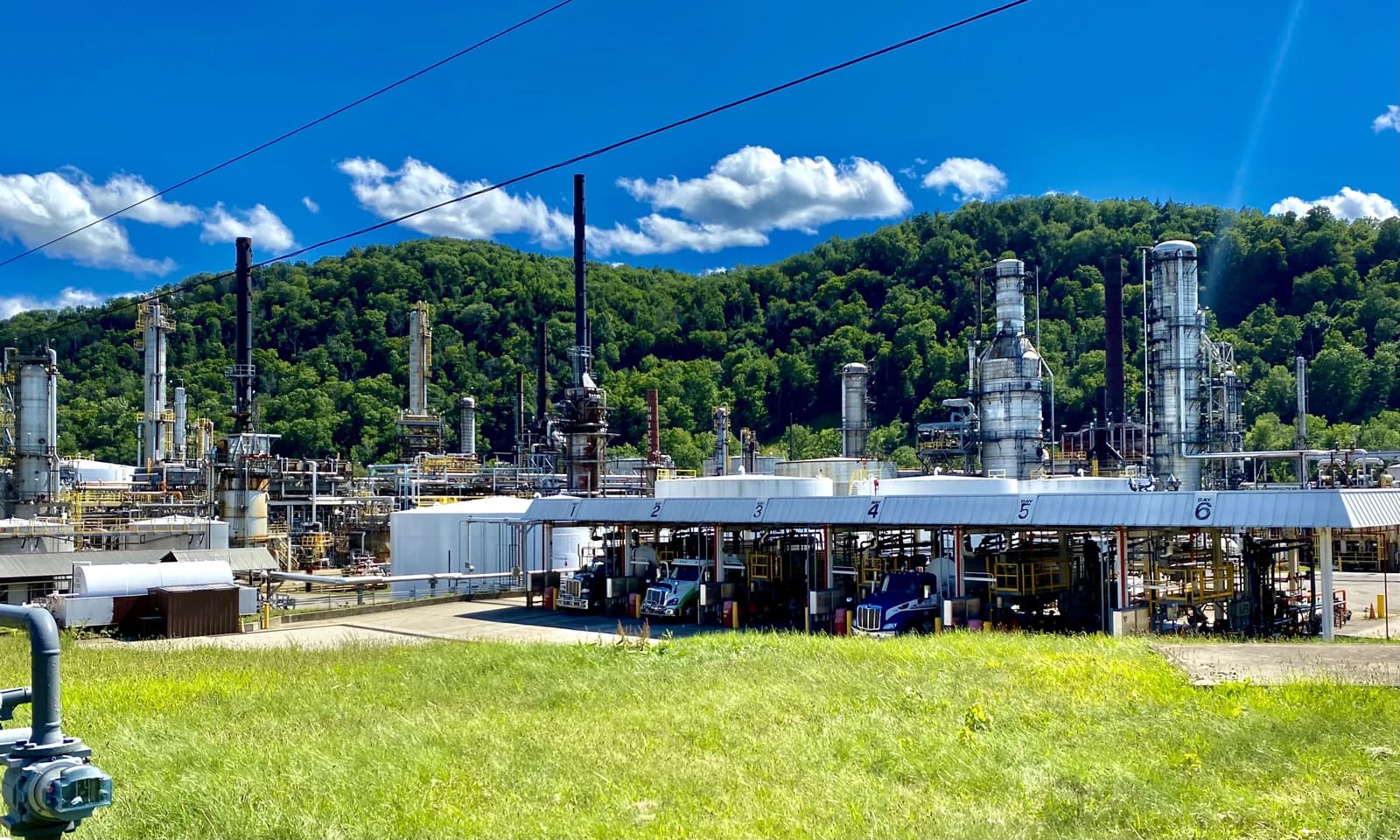
Global bond yields jumped to multi-year highs as crude oil pushed back above $100 a barrel, reviving concern that the inflation shock central banks had only begun to tame could reaccelerate just as policymakers were preparing to ease the pressure.
Oil Above $100 Pushes Bond Yields Higher

The selloff matters because it is not being driven by one market alone. Higher energy costs are feeding directly into inflation expectations, forcing investors to demand more compensation to hold government debt and pushing borrowing costs higher across the U.S. and Europe. That raises the risk of tighter financial conditions at a time when the global economy is already fragile.
Sentiment IndicatorsⓘProprietary · adalytica.com · September 18, 2026
This is a snapshot — live sentiment, awareness and momentum for 130+ markets update continuously in the dashboard.Open AlphaPulse

Brent crude rose 7.98% to $109.29 a barrel, its highest since May, while U.S. WTI climbed to $103.94. In Treasuries, the 10-year yield touched 4.95%, the highest since October 2023, and the 30-year rose to 5.35%, its strongest level since June 2007. In Europe, the UK 10-year gilt yield climbed to 5.38%, a peak not seen since 2007, while Germany’s 10-year Bund yield reached 3.5%, the highest since 2011.
The move underscores how sensitive rates markets remain to energy shocks. Oil’s advance, combined with fresh evidence that U.S. producer prices are still running hot, has revived a classic inflation trade-off: stronger nominal growth and firmer commodity prices on one side, weaker bond prices and higher discount rates on the other. The U.S. producer price index accelerated to 5.4% in August from 4.7% in July, ahead of expectations, keeping pressure on the Federal Reserve ahead of its meeting next week.
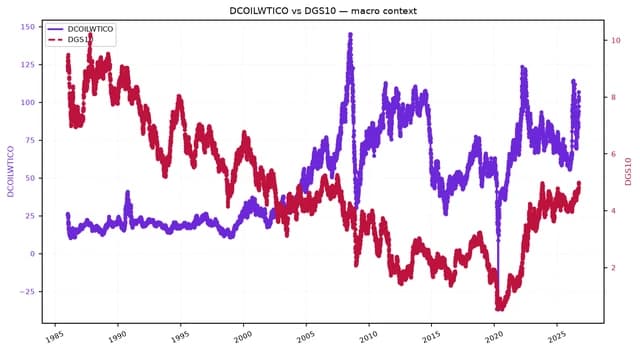
That is especially important for investors because the latest surge in yields is hitting both fixed income and equities. The S&P 500, Dow Jones and Nasdaq all fell in the session, while duration-sensitive bonds extended losses. The iShares 20+ Year Treasury Bond ETF, TLT, closed at 81.22 on Sept. 18, well below its 50-day average of 82.27 and 200-day average of 84.36, with its RSI readings showing a deeply oversold market as investors continued to cut exposure to long-dated government debt.
The bond market’s reaction is also being amplified by geopolitics. Escalating conflict between the U.S. and Iran, plus Houthi claims of control over Mocha and threats to shipping through the Strait of Hormuz, have heightened fears of disruption to a corridor that once carried about 20% of global oil and gas flows. That leaves investors with an uncomfortable combination: a supply-side energy shock that can lift inflation without necessarily improving growth.
Central banks now face a narrower path. The Fed is already wrestling with inflation that has exceeded its 2% target for more than five years, and market pricing points to a higher chance of another rate increase next week. In Europe, the European Central Bank has already warned inflation will stay well above target for an extended period even after raising rates to 2.5%. If oil remains elevated, the case for keeping policy restrictive gets stronger, even as higher yields tighten credit conditions and weigh on growth.
For investors, the key question is whether this is a temporary geopolitical spike or the start of a more durable repricing of energy and inflation risk. On one side are oil producers and parts of the energy complex, which benefit from firmer crude prices and tighter supply. On the other are bondholders, rate-sensitive equities and import-dependent economies, which face higher financing costs and squeezed margins. The next tests are Friday’s U.S. CPI report, the Fed decision and any sign that the Middle East escalation is disrupting physical supply rather than just sentiment.
| Entity | Gains | Losses |
|---|---|---|
| Oil producers | ▲Higher realized prices | ▼— |
| Treasury bond holders | ▲— | ▼Mark-to-market losses |
| Rate-sensitive equities | ▲— | ▼Higher discount rates |
| Energy importers | ▲— | ▼Higher input costs |