Oil prices edged lower on Friday, with Brent settling at $105.85 a barrel and West Texas Intermediate at $93.80, as the market weighed signs of improving supply from the Middle East against a still-fragile demand outlook.
Oil prices fall as Middle East supply improves
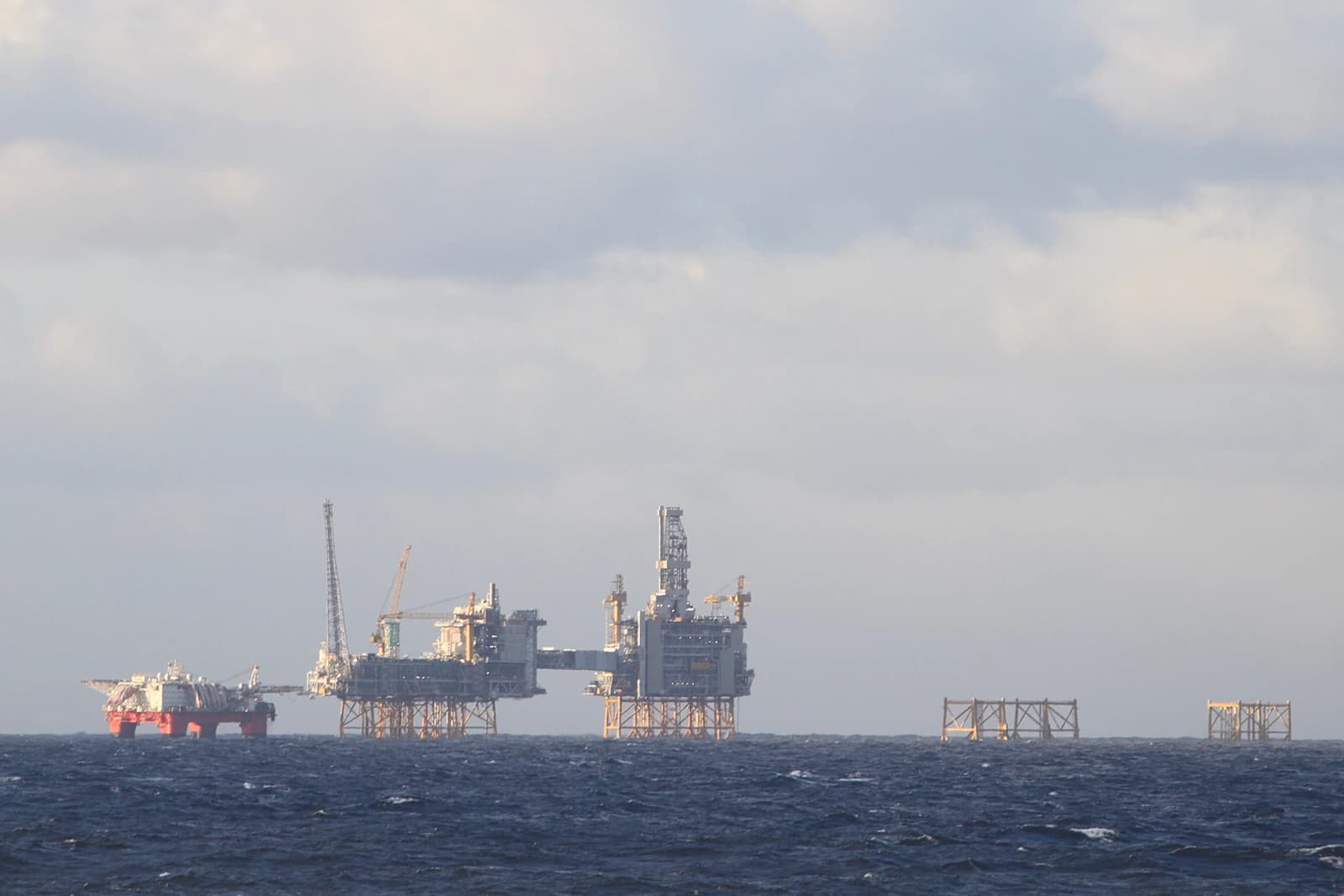
The decline matters because crude remains one of the economy’s most powerful price transmitters. Even a modest move lower can ease pressure on fuel costs, shipping rates and inflation expectations, but the broader picture is that oil is still trading at levels high enough to keep energy bills elevated and central banks alert.
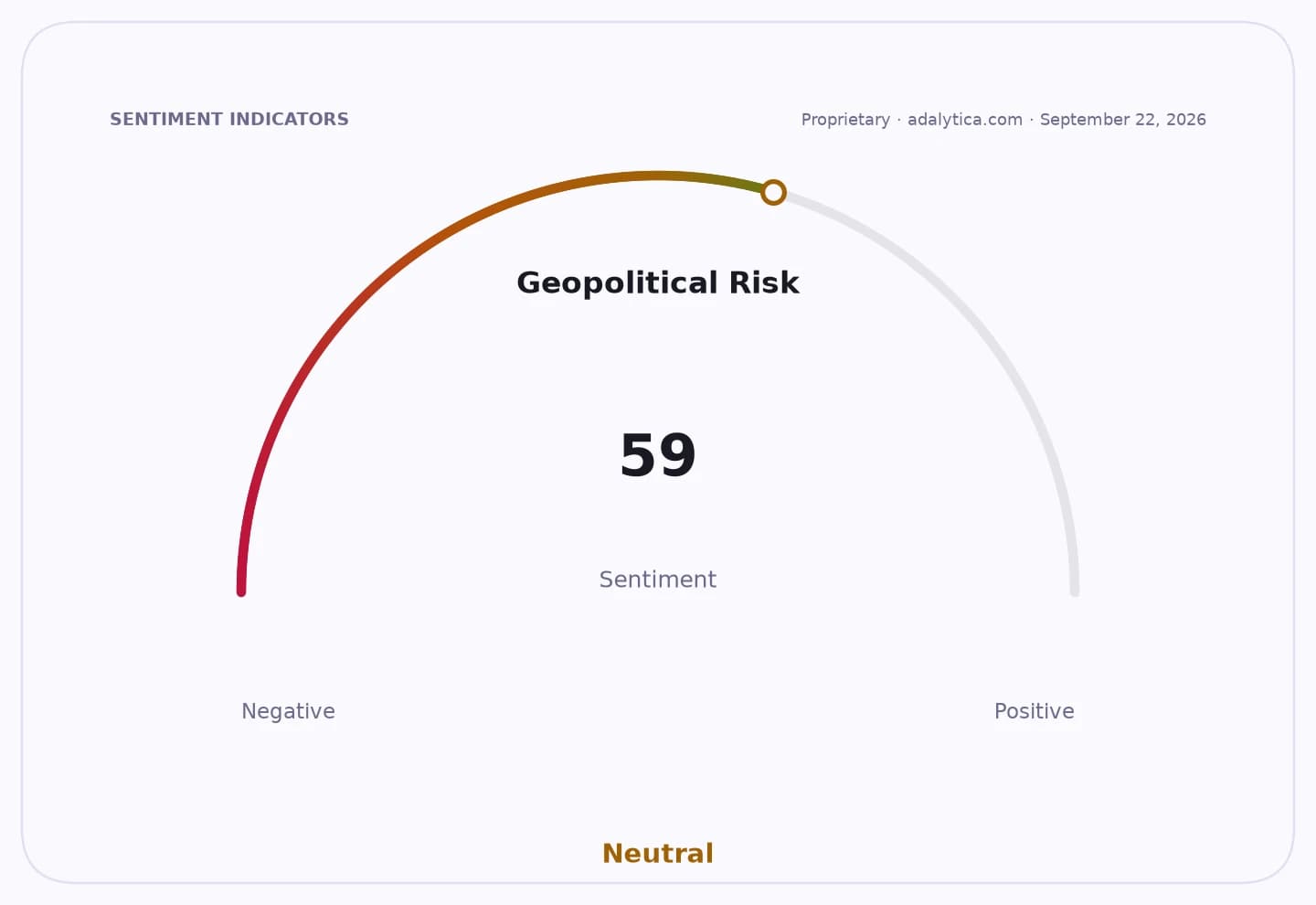
Sentiment IndicatorsⓘProprietary · adalytica.com · October 1, 2026
This is a snapshot — live sentiment, awareness and momentum for 130+ markets update continuously in the dashboard.Open AlphaPulse
Brent fell 74 cents, or 0.69%, while U.S. crude dropped 81 cents, or 0.86%. The move extends a volatile period in which prices have swung on shifting export flows and geopolitical risk, including concerns over supply disruptions and speculation around possible trade restrictions. More recently, improved exports from the Middle East have helped relieve some of the tightness that had driven crude higher.
For investors, the key issue is whether the recent pullback marks the start of a more durable correction or just another pause in a still-volatile uptrend. Exchange-traded funds tied to oil such as BNO and USL remain well above their 50-day moving averages, but momentum has cooled from earlier highs, with relative strength readings easing after overbought conditions. That suggests the market has started to price in less immediate scarcity, even if it is not yet signaling a full reset.
Adalytica’s oil trade signals show sentiment still in “Greed” territory, even as awareness sits at “Extreme Fear,” an unusual mix that points to a market that remains directionally bullish but acutely sensitive to reversals. That tension is consistent with the broader macro backdrop: crude is retreating on supply relief, while the risk of weaker global demand and slower investment in the sector continues to hang over the market.
A sustained drop in Brent would ease some inflation pressure, particularly in economies where energy feeds through quickly to transport and consumer prices. But if demand concerns deepen, the impact would be felt beyond gasoline and diesel, with implications for oil producers, exporters and energy capital spending plans.
| Entity | Gains | Losses |
|---|---|---|
| Consumers | ▲Lower fuel costs | ▼— |
| Oil producers | ▲— | ▼Softer crude prices |
| Importers | ▲Cheaper energy bill | ▼— |
| Exporters | ▲— | ▼Narrower revenue margins |