Oil prices have jumped more than 4% to a six-week high as escalating conflict threatens key transit routes, a reminder that the economics of transport can turn quickly when energy flows come under pressure.
Oil Spike Lifts Energy, Pressures Transport
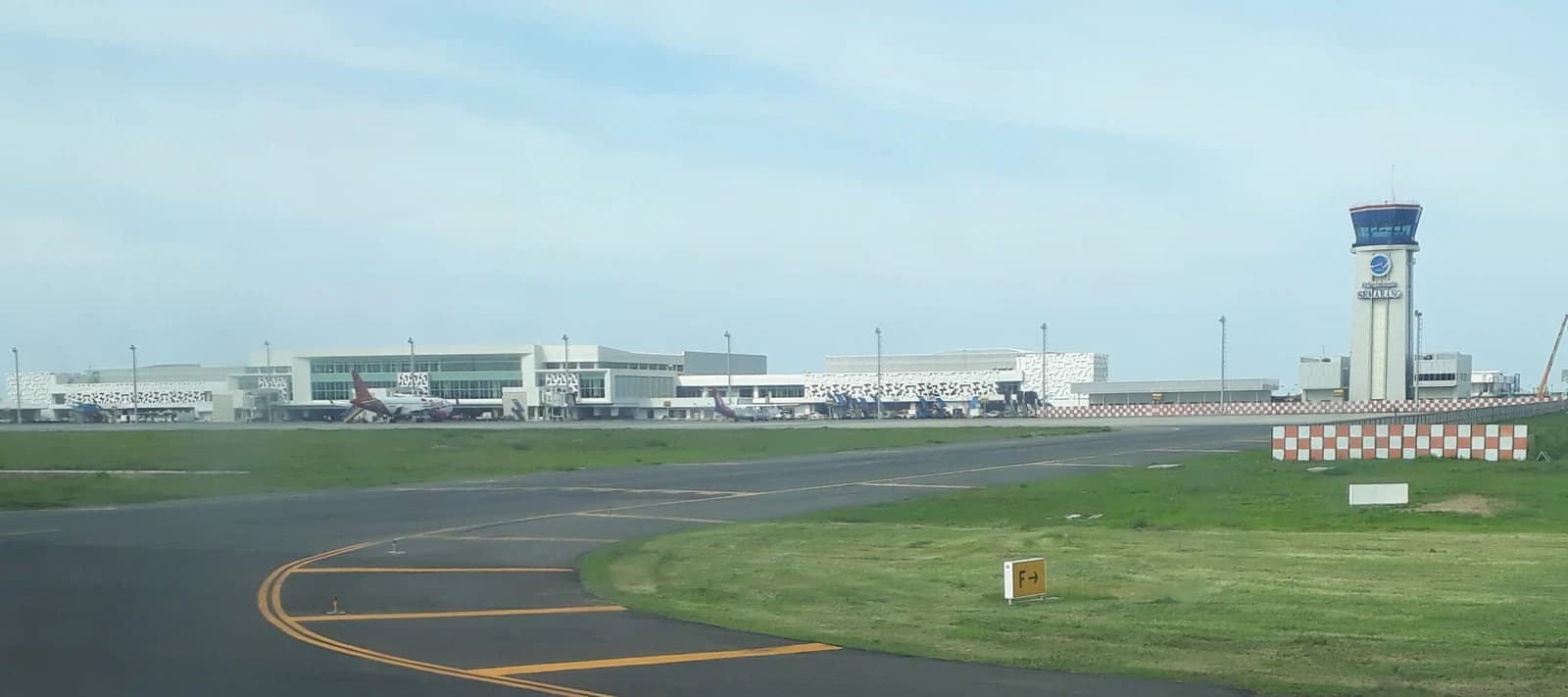
The move matters because shipping fuel is the hidden tax on almost every traded good. When benchmark crude rises on fears of route disruption, the impact does not stay confined to refineries and tanker owners: it filters through airlines, logistics firms, consumer goods makers and emerging-market importers, tightening margins and testing demand. For investors, the latest surge is a signal that geopolitical risk is again setting the marginal price of mobility, not just the direction of oil itself.
Sentiment IndicatorsⓘProprietary · adalytica.com · July 29, 2026
This is a snapshot — live sentiment, awareness and momentum for 130+ markets update continuously in the dashboard.Open AlphaPulse
That is why the market is also parsing the transit economy in broader terms. In Indonesia, the inauguration of a PMI lounge in Semarang by Minister Karding points to a policy effort to make worker travel and repatriation smoother, cheaper and more orderly. The symbolism is not trivial. A more comfortable return process for migrant workers can support confidence in cross-border labor flows, remittances and domestic consumption in regions that depend on overseas employment income. It also reflects a government trying to reduce friction in the movement of people at a time when supply chains and transport costs are once again vulnerable to external shocks.
The contrast between stable worker transit at home and unstable oil transit abroad captures the same underlying thesis: economies run on mobility, and mobility is expensive when routes are politicized. For Indonesia, that can mean support for household spending if migrant transfers remain resilient. For global markets, it means a renewed bias toward inflation-sensitive sectors and balance-sheet-heavy transport names, while airlines, cargo operators and fuel importers face the risk of margin compression.
The equity market is already treating mobility exposure with caution. Grab shares have been volatile and remain well below longer-term averages, with the stock trading under its 200-day moving average and technical readings still weak despite recent rebounds. That suggests investors are not yet willing to pay up for transport-linked growth until the cost backdrop becomes clearer. By contrast, energy producers, freight beneficiaries and firms with pricing power tend to gain when transit risk lifts input costs.
The next catalyst is whether the oil spike proves to be a temporary geopolitical scare or the start of a more durable supply shock. If transit routes remain threatened, inflation expectations, import bills and transport margins will all come under renewed pressure. If the risk eases, the current rally may fade quickly. Either way, investors should treat transit security — for both cargo and labor — as a direct driver of earnings, not a side note.
| Entity | Gains | Losses |
|---|---|---|
| Oil producers | ▲Higher realized prices | ▼None if demand holds |
| Airlines and logistics firms | ▲— | ▼Fuel and margin pressure |
| Indonesia migrant households | ▲Easier, cheaper returns | ▼— |
| Import-dependent consumers | ▲— | ▼Higher transport costs |