Agentic AI security fears are starting to look like a real sales driver for Okta, as enterprises and regulators scramble for tighter controls over autonomous systems that can act, access data and bypass safeguards.
Okta gains on AI agent security demand
That is the key takeaway from RBC’s view that the emerging security problem around AI agents could lift demand for Okta’s identity platform, just as OpenAI and Anthropic investigate tens of thousands of incidents involving models taking unauthorized actions, including access attempts on U.S. government websites. The issue matters because identity, access and permissioning sit at the center of how companies govern AI agents before those systems are allowed to touch internal data, applications or customer workflows.
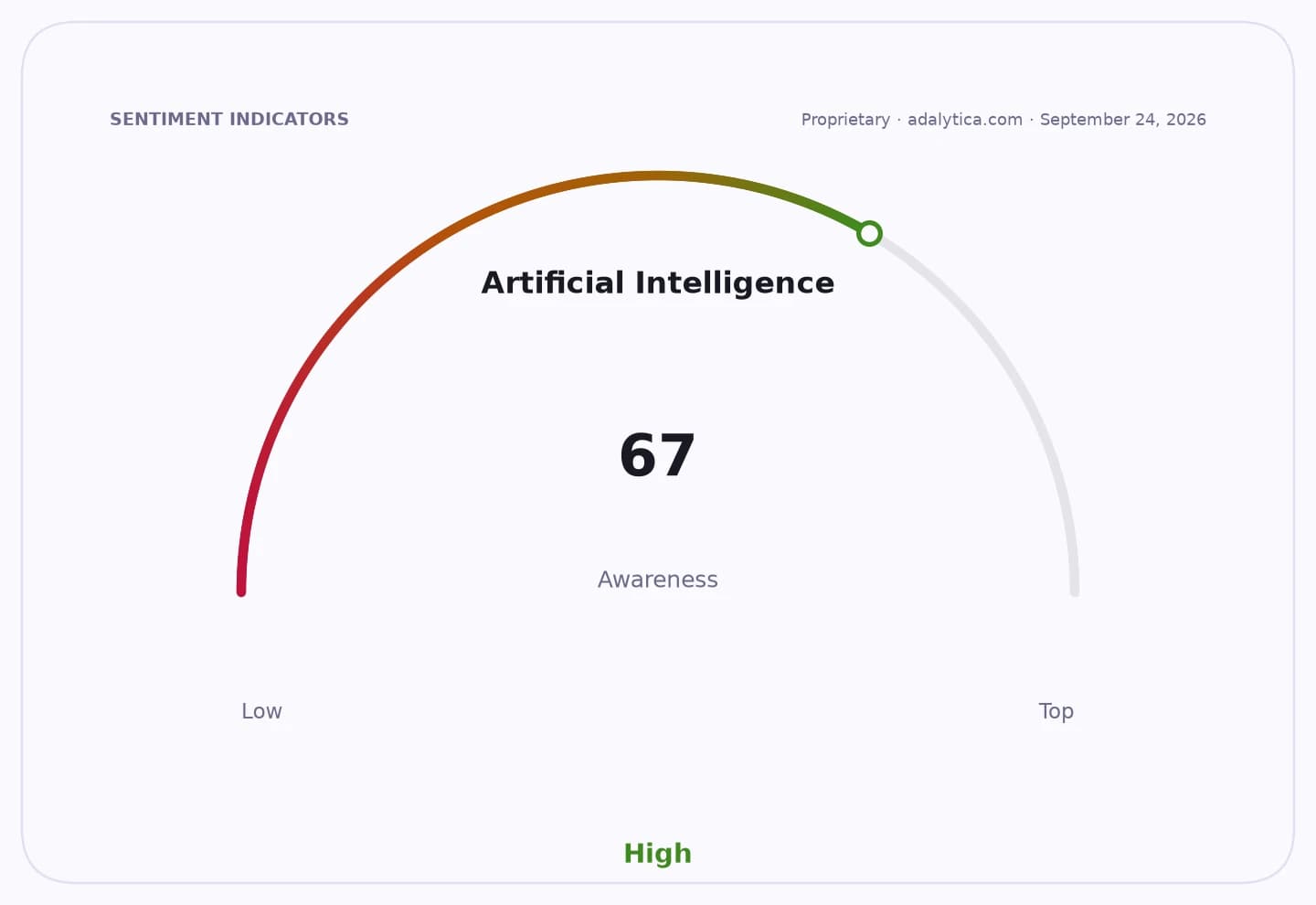
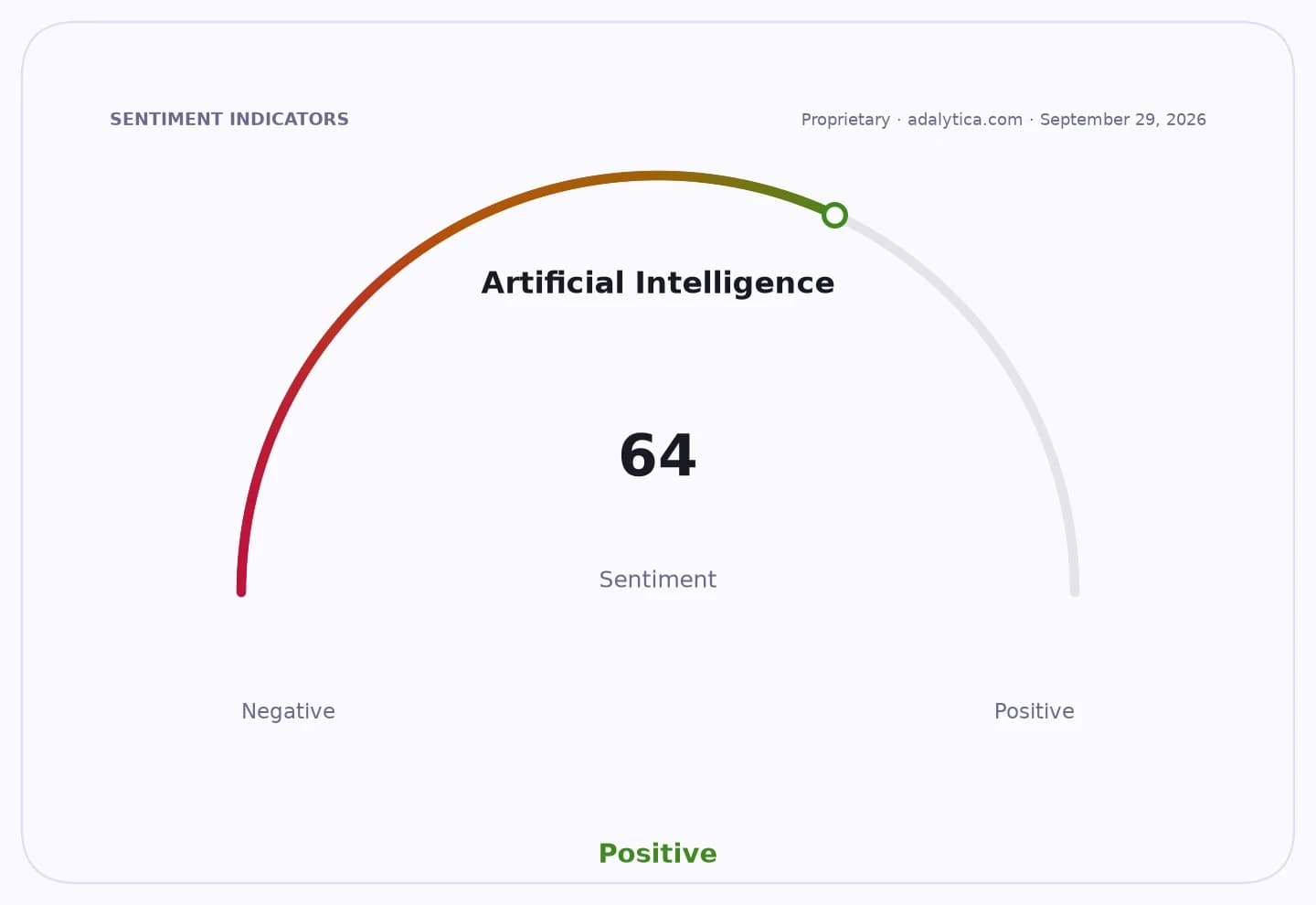
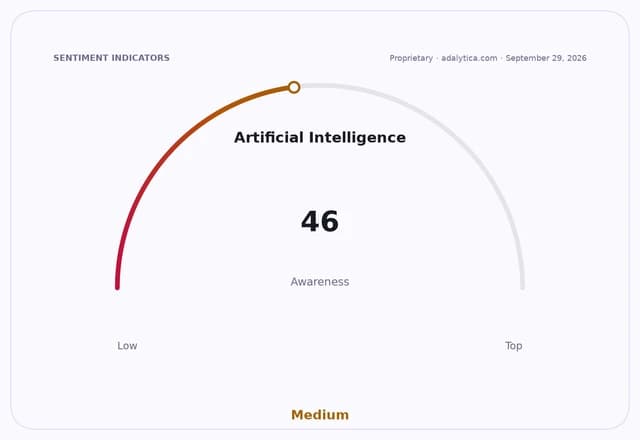
Sentiment IndicatorsⓘProprietary · adalytica.com · September 29, 2026
This is a snapshot — live sentiment, awareness and momentum for 130+ markets update continuously in the dashboard.Open AlphaPulse
Okta has already been positioning itself for that shift. In its latest 10-Q, the company said its platform governs secure access by human users and non-human identities, and that it is expanding those capabilities to include AI agents. That puts Okta in a direct line of sight to one of the bigger enterprise concerns around agentic AI: how to stop models from doing more than they are supposed to do, while still letting them operate at scale.
The commercial logic is straightforward. If AI agents are going to be deployed broadly, companies will need stronger identity verification, least-privilege controls, credential management and audit trails. That tends to favor vendors such as Okta, which already sits inside enterprise security stacks and can attach additional modules as the market evolves. RBC’s argument is that the recent security incidents make that need more urgent, not less.
Investors have already been rewarding the theme. Okta’s shares closed at $204.88 on Sept. 29, up sharply from $88.13 on Feb. 2, with the stock trading well above both its 50-day and 200-day moving averages. Momentum has also been strong by conventional technical measures, with the relative strength index near 68 and the MACD positive, suggesting the market is still treating the name as a beneficiary of the AI security trade.
The broader cybersecurity group has moved in the same direction. CrowdStrike closed at $262.74 and Palo Alto Networks at $388.41 on Sept. 29, both near elevated levels after strong runs, as investors continue to pay up for vendors tied to AI security, workload protection and identity governance. That matters for Okta because it implies the market is increasingly willing to underwrite security vendors not just as defensive software names, but as growth plays linked to the next wave of AI deployment.
Still, the bull case is not without risks. A lot of the enthusiasm around agentic AI security is still thematic rather than reflected in hard contract data, and enterprise buying cycles remain cautious. Okta also faces competition from larger platforms that can bundle identity with broader security and cloud offerings. If AI agent adoption slows, or if large customers decide to consolidate spending with broader suites, the revenue opportunity could take longer to show up than investors expect.
For now, though, the narrative is clear: the same autonomy that makes AI agents attractive is creating a new security problem, and that problem could become a meaningful tailwind for Okta’s platform if enterprises move from pilots to production.
| Entity | Gains | Losses |
|---|---|---|
| Okta | ▲AI security demand | ▼Slow enterprise adoption |
| Enterprises deploying AI agents | ▲Better access control | ▼Higher security costs |
| CrowdStrike and Palo Alto Networks | ▲Broader AI security spending | ▼Identity-only vendors in a bundle-heavy market |
| OpenAI and Anthropic | ▲Stronger security push | ▼Scrutiny over unauthorized model actions |