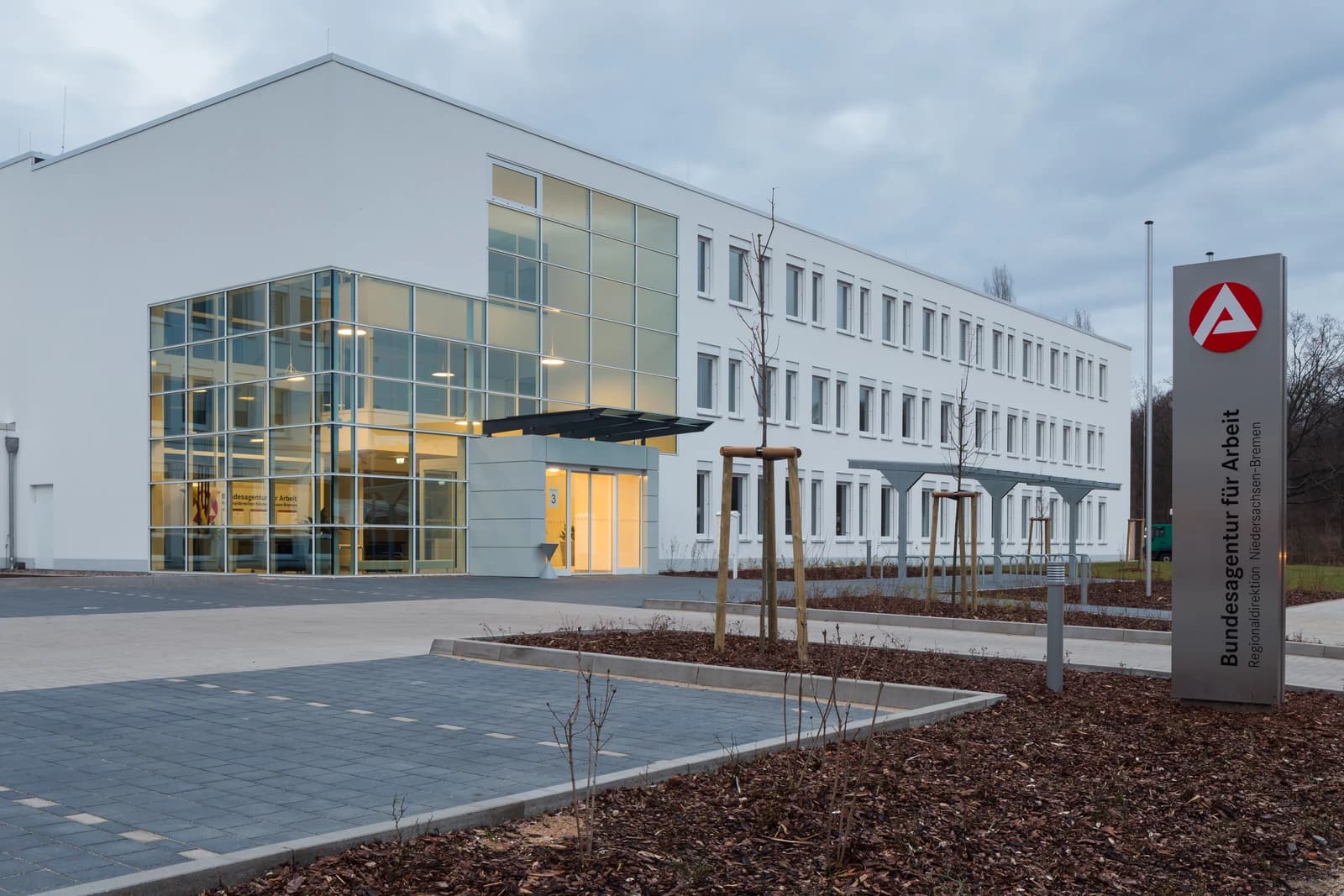
Over 500 jobs are being cut at GSK Services in Poznań, a move that will hit one of the city’s better-paid white-collar employment pools and deepen pressure on Poland’s already fragile IT labor market.
GSK cuts 500 jobs in Poznań service center
The layoffs matter well beyond one corporate campus. Poznań has built a reputation as a hub for multinational service centers, where finance, accounting, HR and technology roles have supported a dense ecosystem of contractors, landlords and local spending. Pulling out more than 500 high-skilled positions means fewer paychecks flowing into the city, weaker demand for office space and service spending, and a sharper scramble for workers already facing a slowdown in Poland’s technology hiring.
GSK said the changes are part of a three-year program to simplify operations and redirect resources toward investment in its drug and vaccine pipeline, with a goal of more than 40 billion pounds in annual sales by 2031. In practice, the Poznań cuts point to the same corporate playbook now rippling through global multinationals: centralize support functions, move work to lower-cost locations and reserve capital for higher-return growth areas such as research, development and AI-enabled operations.
That makes the story economically important for Poland. The affected jobs are not low-wage positions; they are described locally as highly qualified roles with above-average pay, often starting in the tens of thousands of zlotys gross per month. When those jobs disappear, the pain is felt in consumption, taxes and local hiring power. It also raises a broader warning sign for Poland’s service-center model, which has long depended on multinational back-office expansion and could now face a more aggressive wave of offshoring to India and other lower-cost hubs.
Investors should read this as a margin story, not just a labor story. GSK is showing that even in pharmaceuticals, where the market typically focuses on pipeline milestones and patent protection, management is willing to squeeze support costs to fund growth elsewhere. That can help the company over time, but it also signals continued headcount pressure across global shared-services operations, including peers such as Haleon, where workers in Poznań were also told to expect layoffs and negotiations are now under way.
The market implication is clear: the beneficiaries are lower-cost delivery hubs, outsourcing firms and countries competing for multinational back-office work, while the losers are high-cost service centers in Central Europe. For investors, the more interesting trade is not the layoffs themselves but the second-order winners — from Indian IT and shared-services providers to office and industrial landlords in alternative hubs that can absorb the displaced work.
GSK’s message that Poland remains important and will host one of its two global competence centers softens the blow, but it does not change the direction of travel. The real takeaway is that corporate simplification is still translating into job cuts, and those cuts are increasingly landing in skilled white-collar roles that were once considered relatively secure. For anyone positioned in Poland’s labor-sensitive service economy, that is the trend to watch now.
| Entity | Gains | Losses |
|---|---|---|
| GSK | ▲Lower costs, faster capital redeployment | ▼Labor relations friction |
| Poznań service workers | ▲Severance and transition support | ▼High-paying jobs, local security |
| India-based delivery hubs | ▲More outsourced work | ▼— |
| Poland office market | ▲Limited upside from any replacement roles | ▼Demand from 500+ cut positions |