Omoda is moving upmarket fast, and that is exactly why BMW and Mercedes-Benz should be paying attention.
Omoda 9 SHS Challenges BMW and Mercedes
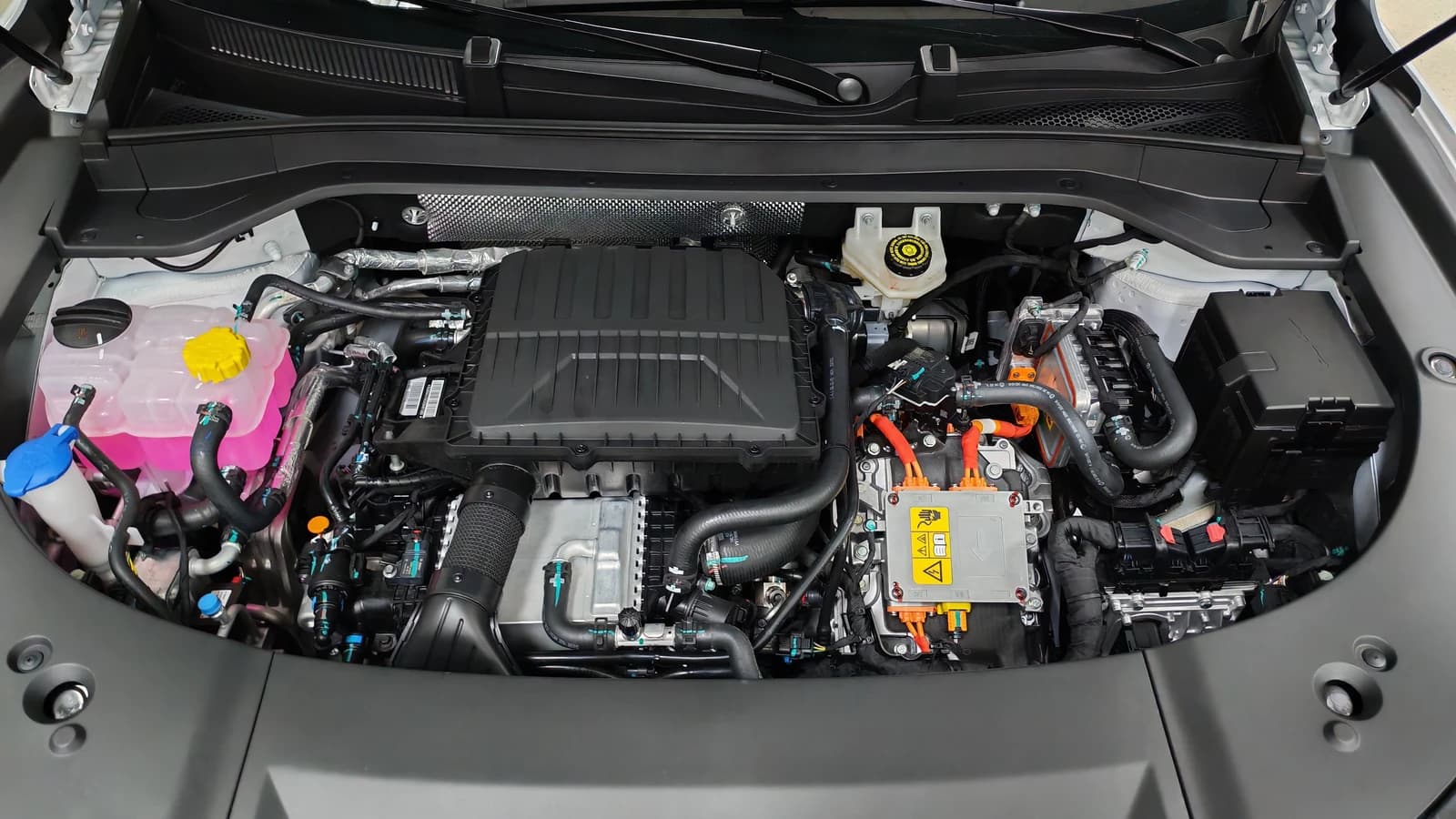
The Chinese brand’s new Omoda 9 SHS plug-in hybrid SUV combines 537 horsepower, all-wheel drive, a claimed electric-only range of about 92 kilometers and a cabin loaded with premium-style features, all for about 42,500 euros before certain incentives. For buyers who care more about equipment, performance and running costs than badge prestige, that is a compelling value proposition — and a direct challenge to the premium SUV playbook that has long protected German automakers’ margins.
That matters because the fight in sport utility vehicles is no longer just about size or styling. It is about how much technology, comfort and electric range a manufacturer can deliver at a given price. Omoda’s pitch is simple: give customers a large, refined plug-in hybrid with the kind of power numbers and luxury touches once reserved for far more expensive BMW X5- and Mercedes GLE-class rivals, but do it at a far lower entry price. In a market where families and company-car buyers are increasingly comparing monthly payments rather than badge heritage, that is a potent formula.
The numbers help explain the pressure. The Omoda 9 SHS pairs a 1.5-liter turbocharged engine with several electric motors, producing 395 kilowatts and 650 newton meters of torque, enough for a 0-100 km/h sprint in 4.9 seconds. Its electric range also gives it Spain’s zero-emissions badge, which can be a meaningful advantage in cities where access rules and parking incentives increasingly shape demand. For European buyers, that combination of performance, lower fuel use and regulatory convenience is hard to ignore.
Just as important, Omoda appears to be targeting the part of the market where premium brands are most vulnerable: richly optioned crossovers. German manufacturers still win on brand equity, residual values and personalization, but they often ask customers to pay extra for features that come standard here. Heated, ventilated and massaging seats, broad digital displays, electronic suspension and a quiet, upscale interior all come bundled together. That makes the comparison less about a cheap alternative and more about whether traditional premium pricing still makes sense.
For investors, the broader story is that China’s car makers are not stopping at budget models. They are climbing the value chain, using scale, battery know-how and aggressive pricing to attack the most profitable segments of the global auto market. If Omoda and similar brands can win even modest share in Europe’s premium-adjacent SUV category, the impact could show up in pricing pressure, slower margin expansion and heavier incentive spending for established names.
BMW and Mercedes have already shown they can defend their franchises with engineering depth, stronger brand loyalty and a long list of optional upgrades. But the industry is shifting toward value-per-euro, especially as plug-in hybrids and electric vehicles normalize advanced drivetrains across more price tiers. That means the competition is no longer just from Tesla or BYD on the EV side — it is also from Chinese brands bringing high-spec hybrids into the heart of the SUV market.
For long-term investors, the takeaway is not that premium German automakers are suddenly broken. It is that their moat is narrower than it looked a few years ago, and Chinese challengers are getting closer to the parts of the market that matter most. Omoda’s SUV is worth watching because it shows how quickly a well-equipped, aggressively priced model can force established brands to justify every euro they charge.
| Entity | Gains | Losses |
|---|---|---|
| Omoda / Chery | ▲Upmarket credibility | ▼None in the short run |
| BMW and Mercedes-Benz | ▲Competitive benchmarking pressure | ▼Pricing power |
| European car buyers | ▲More value and features | ▼Less brand exclusivity |
| Premium SUV rivals | ▲Need to sharpen offerings | ▼Margin compression |