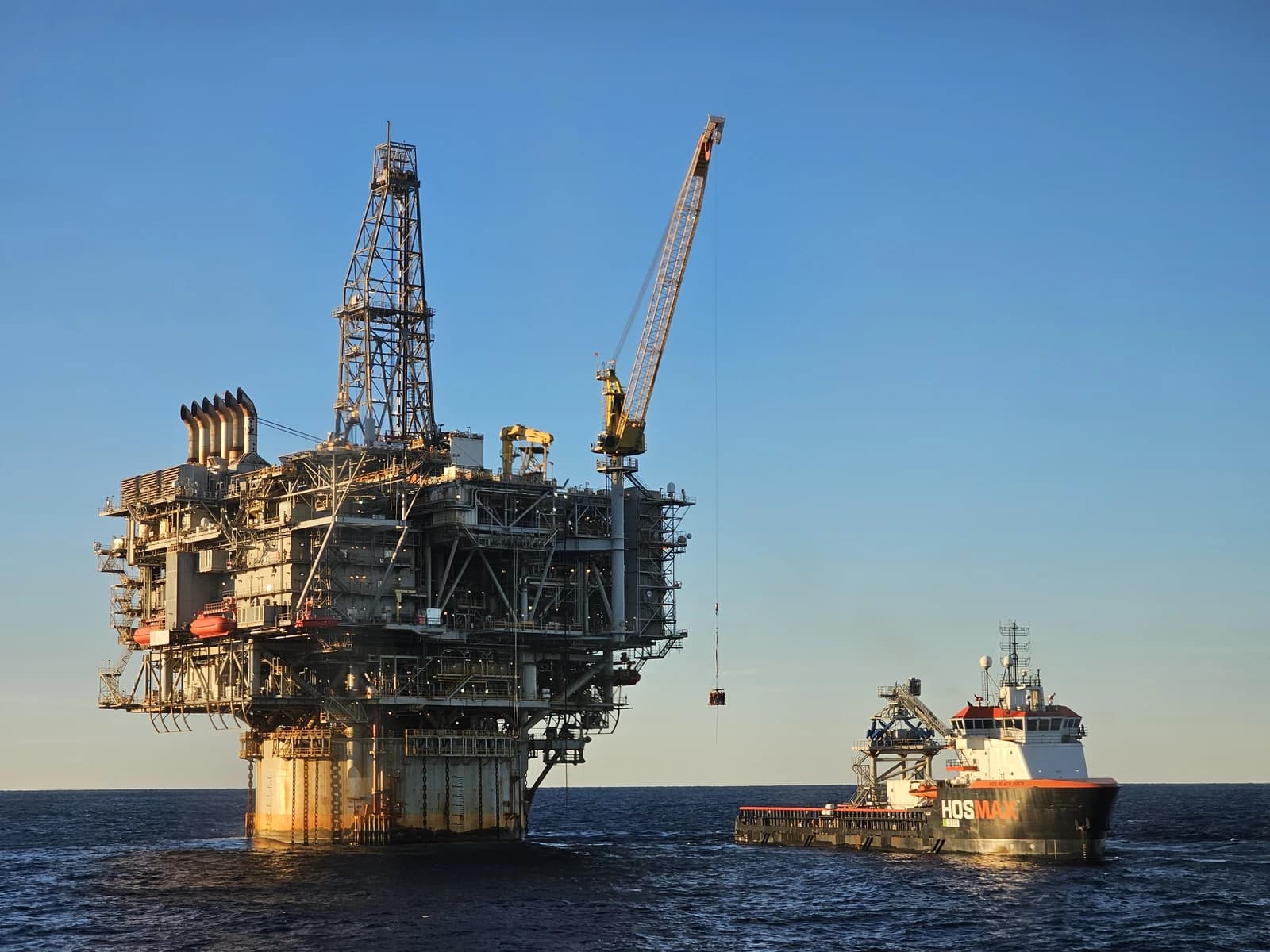
A gas leak at an ONGC rig in Andhra Pradesh has forced the evacuation of nearly 800 residents and revived safety concerns around the state-run explorer’s onshore operations, underscoring the economic and reputational cost of repeated industrial accidents.
ONGC gas leak evacuates residents in Andhra Pradesh
The latest incident, reported near the Geddada–Mamidikuduru highway in Ambedkar Konaseema district, saw gas spewing from an ONGC rig on Tuesday morning and triggered panic among nearby villagers and motorists. Local authorities warned residents not to use lights or electrical equipment in the area, saying any spark could ignite the leak and cause a major fire.
The episode matters economically because it highlights the operational risk embedded in India’s upstream energy infrastructure, where even brief outages or safety incidents can halt production, disrupt logistics and raise the prospect of higher compliance and remediation costs. For ONGC, already under pressure to maintain output growth and improve efficiency, another leak in the same broad region adds to concerns over field integrity, maintenance standards and emergency response.
It also matters to investors because repeated safety incidents can weigh on the company’s valuation through several channels: potential cleanup and compensation expenses, possible regulatory scrutiny, and the risk of tighter capital discipline if management is forced to divert spending toward safety upgrades rather than growth projects. While the immediate market impact on ONGC shares may be limited without reports of casualties or asset damage, the event reinforces a persistent bear case around execution risk at India’s largest oil and gas producer.
The timing is especially sensitive because the leak follows earlier hazardous gas incidents, including the Irusumanda blowout that residents in the area have not forgotten. That memory appears to be amplifying public anxiety and raises the political stakes for state and local officials, who will face pressure to show that the response was fast enough and that the cause will be identified transparently.
For investors, the key question is whether this is an isolated operational failure or another sign of broader weakness in safety oversight across mature onshore assets. If the investigation points to equipment failure or lapses in monitoring, ONGC could face a longer tail of scrutiny from regulators, communities and analysts tracking environmental, social and governance risks. If the leak is contained quickly and production remains unaffected, the financial damage may be limited — but confidence in the company’s risk controls is likely to take longer to repair.
| Entity | Gains | Losses |
|---|---|---|
| Nearby residents | ▲Faster evacuation response | ▼Panic and safety risk |
| ONGC | ▲None immediately | ▼Reputation and compliance pressure |
| Regulators/local authorities | ▲Chance to enforce oversight | ▼Public scrutiny over preparedness |
| Investors | ▲Potential for safety-led reforms | ▼Near-term uncertainty and ESG risk |