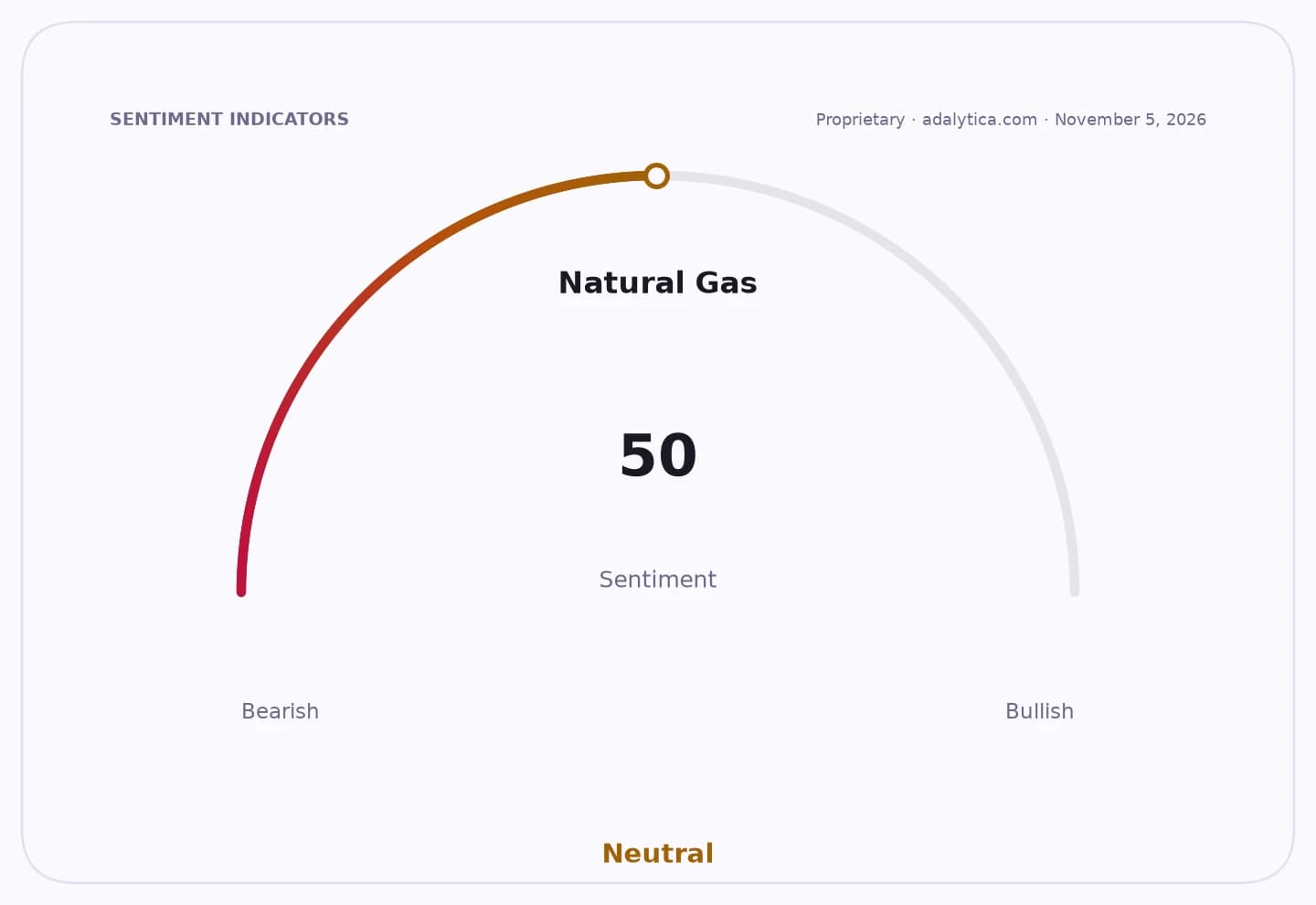
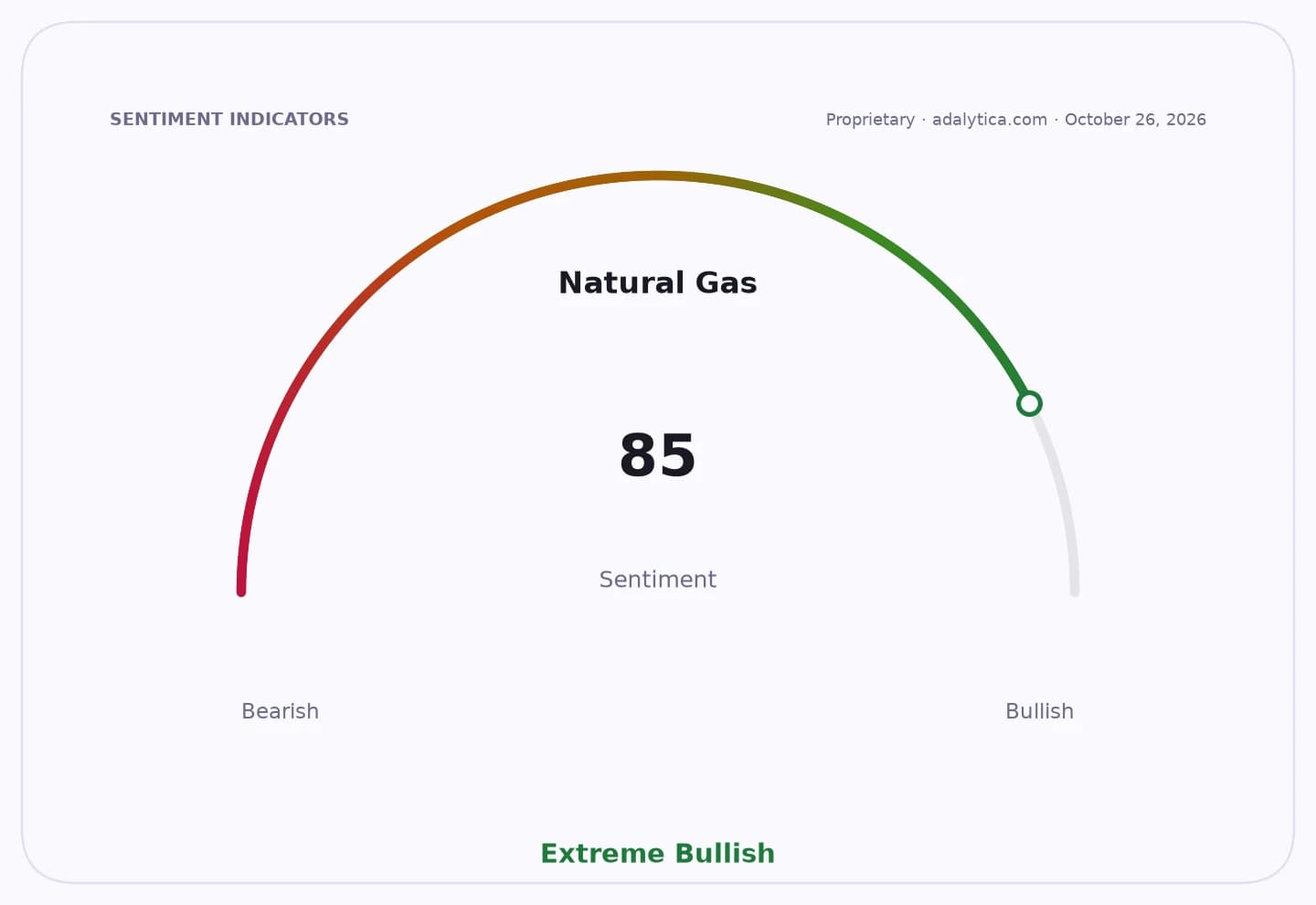
Gas supply to Kemerovo Azot has been restricted after a rupture on a trunk gas pipeline in Russia’s Kuzbass region, a disruption that could affect fertilizer production at one of the country’s key nitrogen plants and tighten an already sensitive input chain for ammonia and related products.
Kemerovo Azot Gas Supply Restricted After Pipeline Rupture
Kemerovo governor Ilya Seredyuk said the plant’s gas intake had been limited under industrial safety rules after the accident, while stressing there was no threat to public safety. The immediate economic issue is not the accident itself, but the dependence of fertilizer and chemical production on uninterrupted natural gas flows. For ammonia and nitrogen producers, gas is both feedstock and fuel; even short interruptions can force output reductions, restart costs and logistical knock-on effects.
That matters beyond the plant gate. Natural gas is a core raw material for ammonia, which is then used in downstream fertilizer products. Any curtailment at a regional producer can ripple through domestic supply, especially if it coincides with maintenance, seasonal demand shifts or broader energy constraints. The market sensitivity is amplified by the fact that Russian fertilizer and chemical exports sit inside a global supply chain already exposed to war risk, sanctions, shipping constraints and volatile energy prices.
For investors, the incident is a reminder that operational risk in energy-intensive industry can quickly become a margin story. Higher gas costs or lower utilization rates can compress earnings for fertilizer producers, while any sustained outage could support pricing in regional nitrogen markets. At the same time, the impact on broader markets is likely to depend on the duration of the restriction and whether repairs restore full throughput quickly.
The accident also fits a wider pattern of infrastructure fragility in heavy industry. A separate fire in September halted operations at the Raspadskaya mine in the same region, underscoring how production in industrial Russia can be disrupted by safety incidents as well as by sanctions and logistics constraints. If the gas pipeline rupture is resolved quickly, the effect may remain local. If not, it could become another example of how supply discipline, not just demand, is shaping fertilizer economics.
| Entity | Gains | Losses |
|---|---|---|
| Gas distributors / repair crews | ▲Emergency relevance | ▼Normal throughput |