Corporate treasuries are being pushed to evaluate stablecoins less like a market bet and more like a payments and liquidity infrastructure decision, with the wrong route creating operational, legal and reconciliation risk even when the token itself looks sound.
OSL USDGO and stablecoin treasury routes

That is the central message of OSL Group’s USDGO push: stablecoin selection for businesses is route-specific, not a contest over which coin is biggest. The practical question is whether the issuer, reserve evidence, redemption terms, network support, corridor liquidity and service layer fit a company’s actual payment, settlement or rebalancing workflow. In some cases USDGO may be the better match because the issuer is clearly identified and the reserve materials are reviewable. In others, USDT or USDC may be preferable because the relevant corridor has deeper executable liquidity or a more workable conversion path.
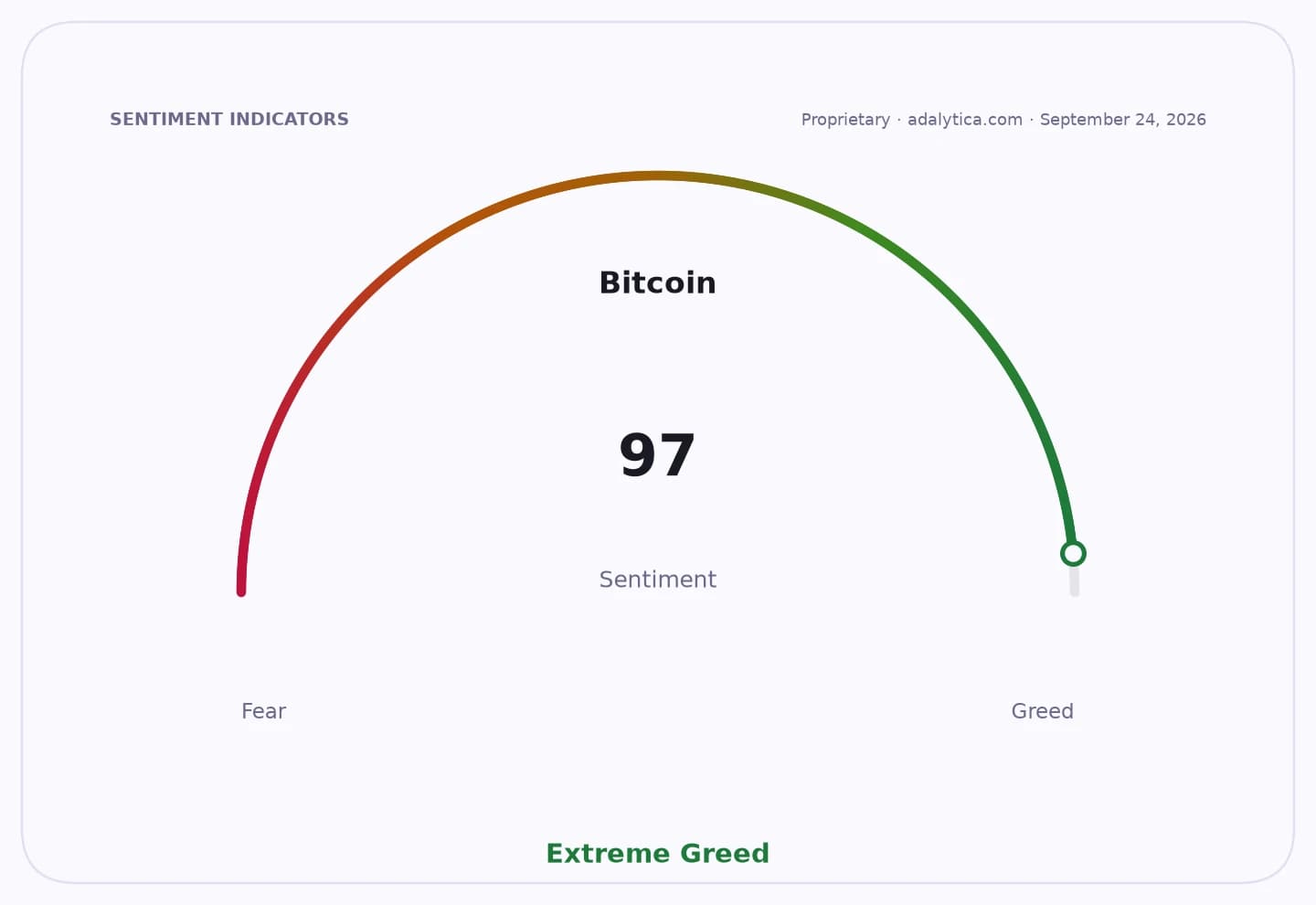
Sentiment IndicatorsⓘProprietary · adalytica.com · September 3, 2026
This is a snapshot — live sentiment, awareness and momentum for 130+ markets update continuously in the dashboard.Open AlphaPulse
That distinction matters because stablecoin adoption in corporate finance is shifting from trading-style experimentation to operational use. For supplier payments, regional treasury rebalancing or platform payouts, the asset is only one part of the workflow. The enterprise also needs a compliant beneficiary path, approved wallet controls, matching ERP data and a fallback rail if conversion or redemption fails. A token can trade freely on an exchange and still be unusable for a regulated payment route.
OSL’s framing also separates the asset from the service stack, a point that is increasingly important as banks, exchanges and payments firms compete for treasury workflows. USDGO is the stablecoin asset; OSL Business Treasury is the route for FX, conversion and liquidity; OSL Business Payments is the route for collections, settlement and payouts; and OSL Business Platform is the API and wallet layer. For investors, that implies revenue opportunities may sit not only in token distribution but in the service rails around it, where fees, conversion spreads and workflow integration are likely to be monetized.
The economic logic is straightforward. Corporate treasurers care about when funds become usable, not just when a blockchain confirms. A transaction may be settled on-chain while sanctions screening, beneficiary access, accounting treatment or internal approval is still unresolved. That is why the company says scorecards should record evidence beside every rating, including the date, legal entity, corridor assumptions and redemption conditions. Without that record, “safe” or “liquid” can become a false conclusion rather than a defendable treasury decision.
For USDT, the bullish case is breadth and depth: where a company needs maximum market coverage or the deepest executable liquidity in a specific corridor, it may still be the most practical route. For USDC, the appeal is often perceived institutional structure and more familiar compliance framing. For USDGO, the pitch is a clearly identified issuer and a route designed around compliant cross-border workflows. The bear case for all three is the same: if the beneficiary cannot legally receive the asset, if the exit rail is weak or if conversion is poorly documented, the stablecoin is not production-ready regardless of brand or market share.
That makes this more than a token comparison. It is a test of whether stablecoins can move from crypto-native balance-sheet tools into mainstream treasury operations. The winners will be the assets and platforms that can prove route fit, controls and redemption access, not just liquidity statistics. The losers will be providers that market a coin as universally best when corporate finance needs corridor-specific answers.
Investors should watch whether corporate payment and treasury flows increasingly migrate toward bundled offerings that combine the stablecoin with the service route, because that is where pricing power and stickiness are likely to emerge. The key catalyst is not which stablecoin has the biggest market cap, but which one becomes embedded in approved treasury policy, ERP workflows and compliant payout corridors.
| Entity | Gains | Losses |
|---|---|---|
| USDGO | ▲Route-specific treasury adoption | ▼One-size-fits-all comparisons |
| USDT | ▲Deep corridor liquidity use cases | ▼Compliance-sensitive workflows |
| USDC | ▲Institutional treasury preference | ▼Narrower liquidity routes |
| OSL Business routes | ▲Conversion and payout fees | ▼Asset-only commodity pricing |