Ottawa is putting $4.7 billion behind a new made-in-Canada Via Rail passenger-car fleet, a decision that matters less as a one-off procurement than as a signal that passenger rail modernization is finally getting real capital.
Ottawa backs Via Rail fleet modernization
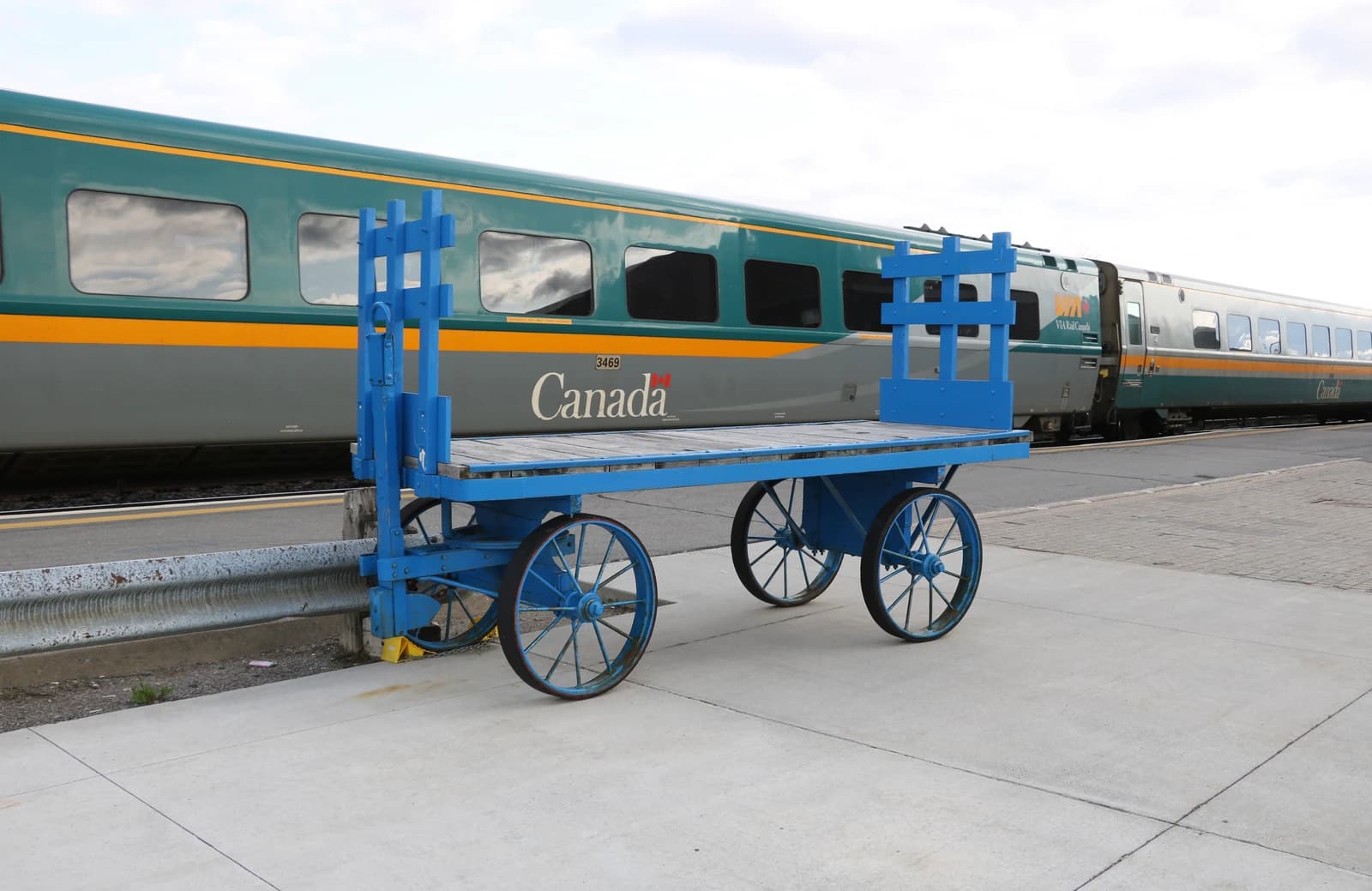
For investors, that is important because these kinds of government-backed fleet renewals can anchor years of manufacturing work, support supply chains and, if executed well, create steadier revenue visibility for rail contractors and Canadian industrial suppliers. In an environment where long-duration infrastructure spending is hard to come by, a project of this size can be more durable than a one-quarter earnings pop.
Sentiment IndicatorsⓘProprietary · adalytica.com · September 3, 2026
This is a snapshot — live sentiment, awareness and momentum for 130+ markets update continuously in the dashboard.Open AlphaPulse
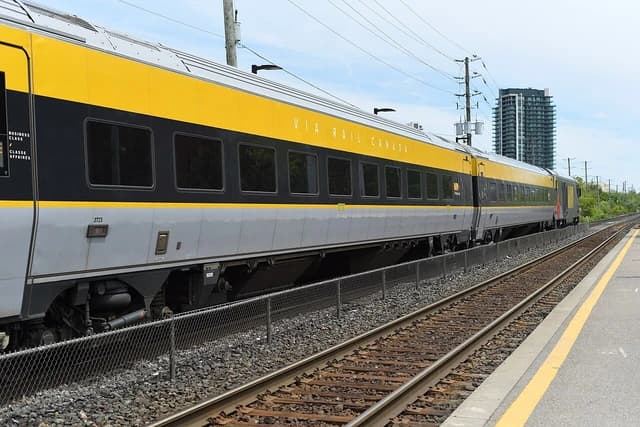
The contract underscores a broader theme: governments are still willing to spend on transportation assets that are politically visible, economically useful and domestically sourced. A made-in-Canada build should keep more of the economic benefit at home, supporting jobs in manufacturing and maintenance while helping Via Rail modernize aging equipment. That matters for productivity too. Newer passenger cars can improve reliability, lower upkeep costs over time and make rail a more attractive option for travelers in markets where rail competes with short-haul air and car travel.
The biggest beneficiary is likely Alstom, which has secured the long-distance train renewal contract, even if the work will unfold slowly and the financial impact will be spread over years. The stock market usually rewards this kind of backlog-building more than headline revenue, because large public contracts can bolster future cash flow if project delivery stays on schedule. Canadian National Railway, which has been trading well above its 200-day moving average despite recent volatility, is not directly tied to the Via Rail order in the same way, but any broad improvement in rail infrastructure and passenger confidence can help reinforce the rail sector’s long-term investment case.
Still, investors should keep the usual risks in mind. Big rail projects are famous for delays, cost overruns and political scrutiny. Execution will matter more than the announcement. If inflation, labor friction or supply-chain bottlenecks slow production, the economic payoff can shrink quickly. That is why long-term investors should focus on companies with strong balance sheets, proven delivery records and enough diversification to absorb bumps along the way.
For patient investors, the real story is not a single fleet order. It is that North America still has room to modernize rail, and governments are occasionally willing to fund it at scale. That makes the sector worth watching closely over the next several years, especially for investors looking for industrial names with backlog, infrastructure exposure and durable competitive advantages.
| Entity | Gains | Losses |
|---|---|---|
| Via Rail | ▲newer fleet, better service | ▼aging-car maintenance burden |
| Alstom | ▲long-term backlog | ▼execution and cost risk |
| Canadian rail suppliers | ▲domestic orders | ▼imported-equipment rivals |