Vehicle price listings in Pakistan are underscoring a market split between mass-market demand and the rising cost of premium and hybrid cars, a divide that matters for consumer spending, dealer inventory and the pace of auto sales.
Pakistan Auto Prices Split Mass Market and Premium Cars

The latest catalog of models spans everything from the Toyota Aqua at PKR 4.5 million to the Toyota Land Cruiser at PKR 156.8 million, with the Corolla at PKR 6.17 million and the Hilux at PKR 16.15 million. That range captures the central problem in Pakistan’s auto market: affordability remains under pressure even as buyers continue to scan for value across sedans, pickups and SUVs. For households facing tighter budgets, price visibility is becoming as important as brand preference.
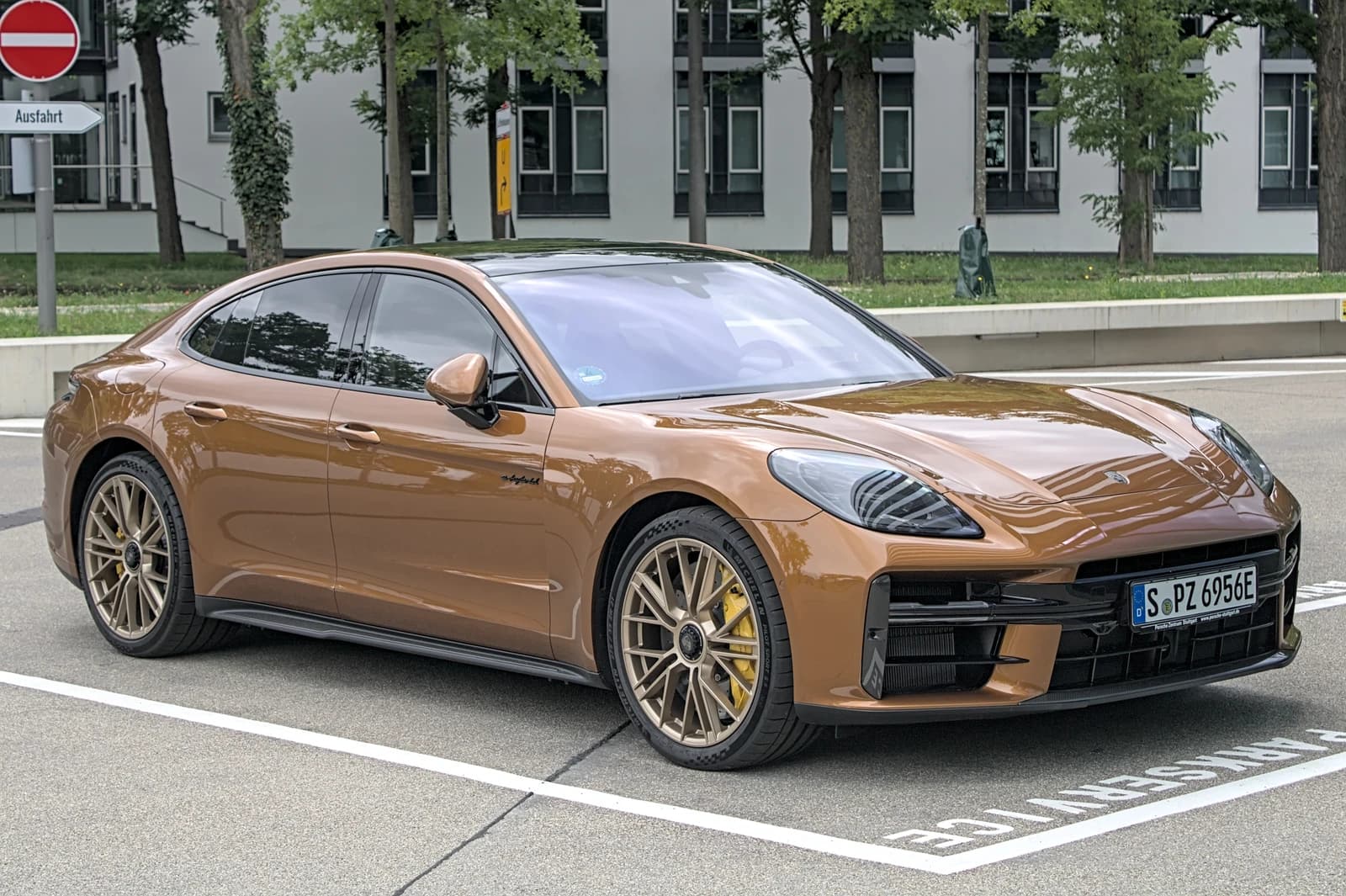
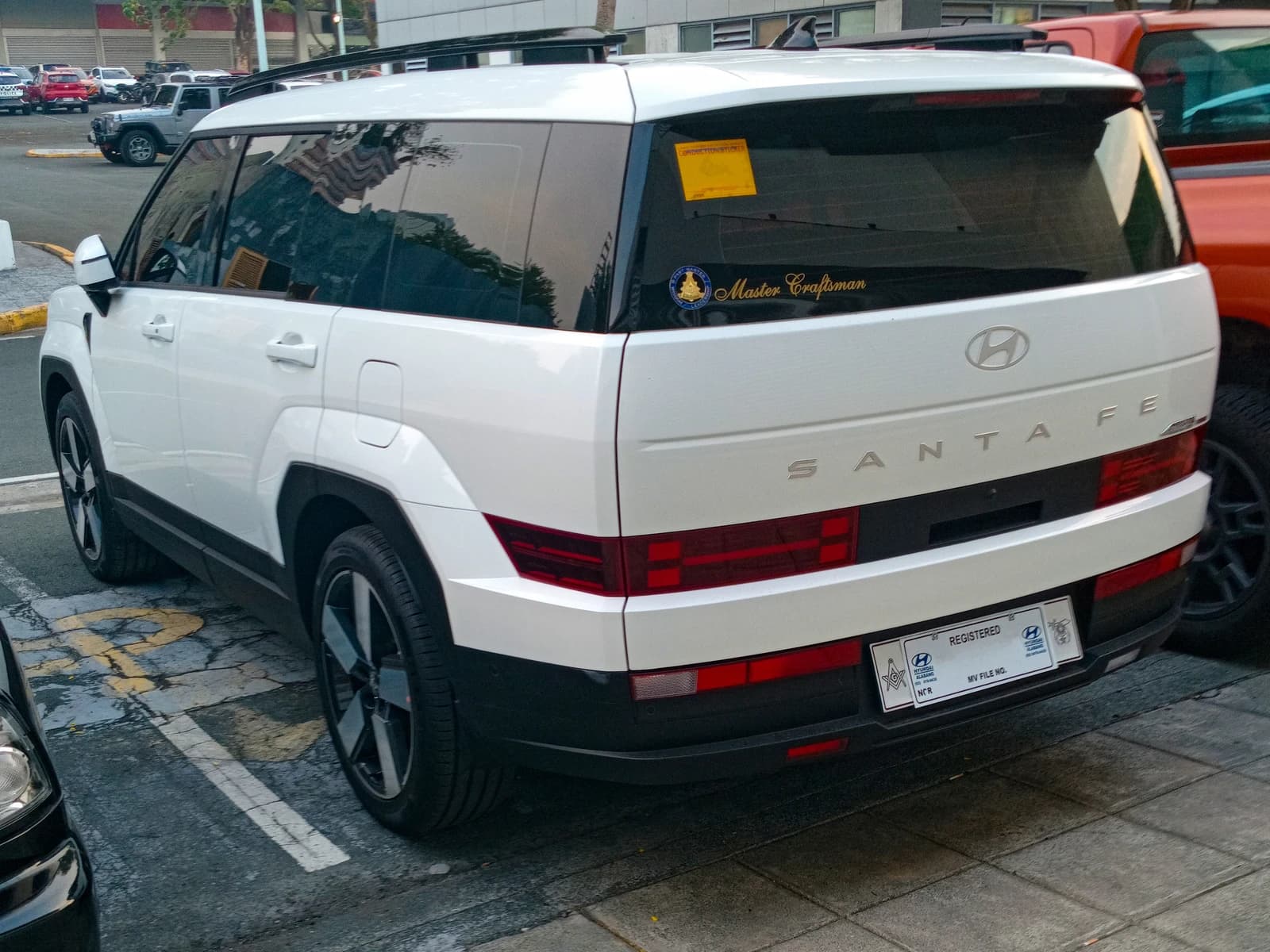
The mix of vehicles also points to a market that is diversifying rather than converging. Toyota remains the benchmark for volume and resale strength, while listings tied to BMW, Hyundai and FAW-style models indicate demand still exists across premium, utility and lower-cost segments. Hybrid and electric-leaning models such as the Prius and BMW 530e suggest a gradual shift in consumer interest toward fuel efficiency, but those products are still priced far above the reach of most buyers.
That matters economically because Pakistan’s auto sector sits at the intersection of consumer confidence, import costs and currency pressure. Expensive imported and semi-assembled vehicles can amplify the hit from foreign-exchange weakness, while entry-level models face their own demand constraints as financing costs and real incomes remain stretched. In a market like this, pricing is not just a showroom issue; it is a read-through on discretionary spending and dealer throughput.
For investors and automakers, the implication is that volume growth will likely remain concentrated in a narrow band of models with strong brand recognition and manageable running costs. Toyota’s core lineup appears positioned to benefit from that pattern, while premium brands and higher-end hybrids may see more uneven turnover unless financing conditions ease. Used-car values and local assembly economics also become more important when sticker prices move further beyond middle-income buyers.
The broad narrative is not a one-off price list but a market still trying to reconcile aspiration with affordability. As long as Pakistan’s currency and financing environment remain strained, the winners will be models that combine reliability, fuel economy and defensible resale value, while higher-priced imports will depend on a smaller pool of buyers.
| Entity | Gains | Losses |
|---|---|---|
| Toyota core models | ▲Volume demand | ▼Margin sensitivity |
| Premium imports | ▲Higher sticker prices | ▼Narrow buyer pool |
| Budget buyers | ▲More price comparison | ▼Affordability pressure |
| Dealers and financiers | ▲Inventory turnover on popular trims | ▼Slower sales on high-end units |