Pakistan’s push to revive its cotton sector is running into the industry’s central dilemma: whether policy should prioritize more seed cotton in the field or more lint at the gin, a distinction that goes straight to farm incomes, textile supply and import dependence.
Pakistan Cotton Revival Hinges on Lint Efficiency
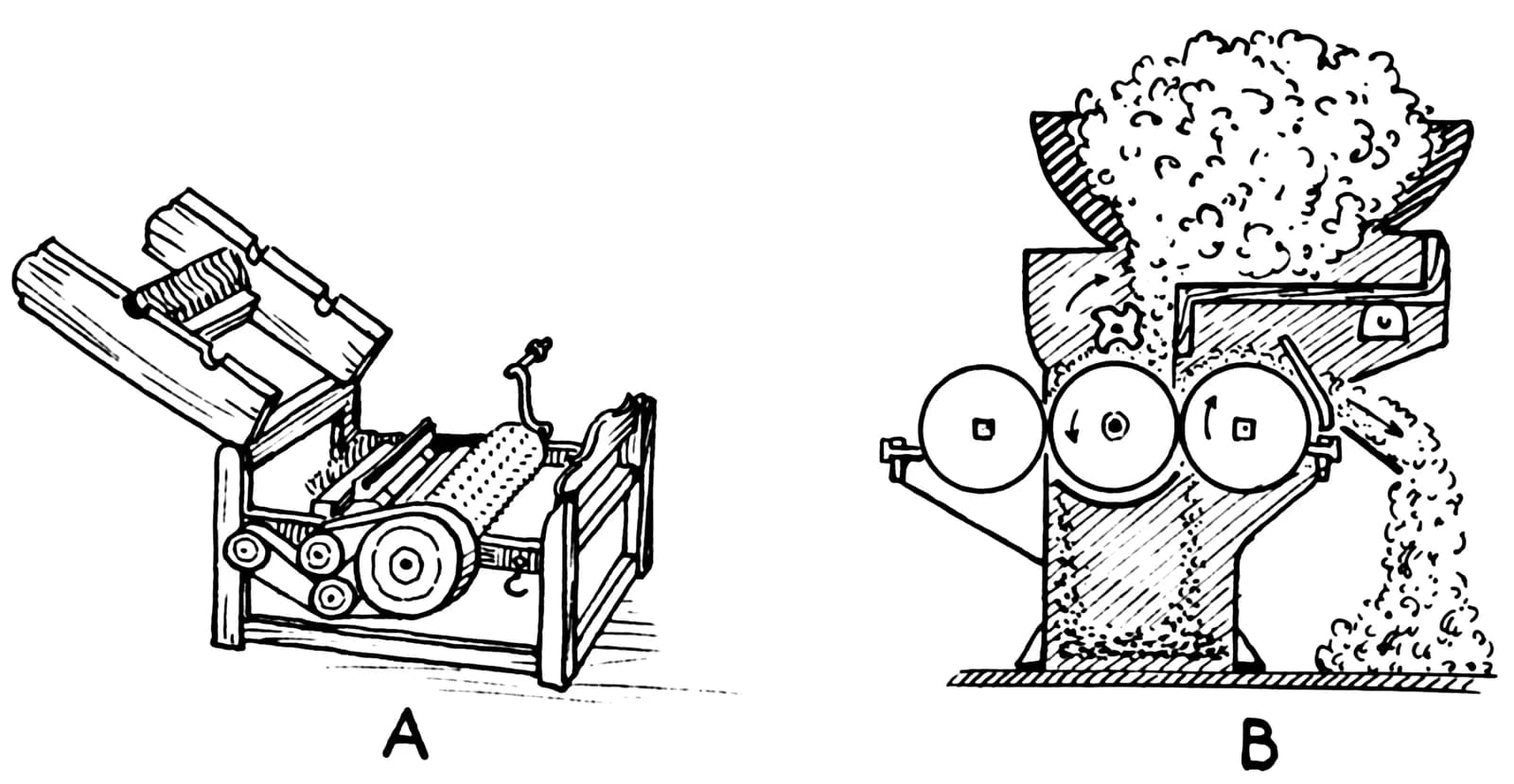
The answer matters because cotton is not just another crop in Pakistan’s economy. It feeds the country’s largest manufacturing industry, supports millions of rural livelihoods and helps determine how much foreign exchange is spent on imported fiber and yarn. If more of the harvest is converted into usable lint rather than lost to weak yields, poor picking, post-harvest inefficiency and processing bottlenecks, the gains would ripple through the textile chain and ease pressure on a sector already strained by energy shortages, water stress and crop volatility.
That economic logic is sharpened by the wider agricultural backdrop. Pakistan is contending with a worsening wheat crisis, fertilizer plants have been forced offline by LNG shortages, and groundwater depletion in Punjab is pushing farmers toward more expensive irrigation. Against that backdrop, cotton is increasingly being treated as a strategic crop rather than just a cash crop, especially as the government talks about lifting output to 319 lakh bales and ultimately reaching 19 lakh bales by 2050 to reduce reliance on imports and support the textile export base.
But the revival challenge is not simply about planting more. It is about extracting more value from every acre. Pakistan has repeatedly missed production targets, while market closures and weak farm economics have constrained incentives. The more seed cotton question reflects a deeper policy debate: should the country chase higher raw output, or focus on the agronomy, harvesting discipline and ginning efficiency needed to turn that output into marketable lint? For investors, that distinction matters because it determines whether the benefits accrue to growers, ginners, spinners and exporters — or disappear in the gap between the farm gate and the mill.
The market has already begun to price in some optimism around the broader textile chain. Nishat Mills, one of the country’s better-known textile names, has seen its share price climb sharply in recent months, with conventional technical indicators such as the 50-day and 200-day moving averages still pointing to an uptrend, even as the stock’s relative strength index has entered overbought territory. That suggests investors are looking for a turnaround in the cotton and textile cycle, but also that expectations may be running ahead of the sector’s structural realities.
Bullish investors will argue that any sustained improvement in domestic lint availability would cut import bills, stabilize raw material supply for spinners and improve margins across the textile value chain. The bearish view is that without fixes to water, energy and farm-level incentives, Pakistan may again produce headlines about cotton targets without delivering enough usable fiber to materially change the industry’s economics.
The next phase of the story will be decided less by slogans about self-sufficiency than by whether policymakers can improve crop quality, lifting, ginning and logistics enough to turn more of Pakistan’s seed cotton into lint the textile sector can actually use.
| Entity | Gains | Losses |
|---|---|---|
| Cotton farmers | ▲Better yields, higher prices | ▼Input-cost pressure |
| Ginners/textiles | ▲More lint supply | ▼Raw fiber shortages |
| Importers of cotton | ▲Lower demand | ▼Lost business |
| Government | ▲Smaller import bill | ▼Policy credibility if targets fail |