Pakistan’s move to repay almost Rs6,000 billion of debt early is the clearest sign yet that Islamabad is prioritising balance-sheet repair over short-term fiscal ease, in a bid to lower future interest costs and rebuild confidence in an economy still weighed down by heavy liabilities.
Pakistan debt prepayment cuts refinancing pressure
Khurram’s disclosure points to a rare use of surplus cash in a country where debt servicing has crowded out spending for years. A repayment of that size, equivalent to about $4.3 billion in domestic debt, would be Pakistan’s largest early prepayment on record and would reduce refinancing pressure at a time when the government remains exposed to volatile funding conditions and repeated International Monetary Fund scrutiny.
Sentiment IndicatorsⓘProprietary · adalytica.com · August 30, 2026
This is a snapshot — live sentiment, awareness and momentum for 130+ markets update continuously in the dashboard.Open AlphaPulse
The timing matters. Pakistan is still carrying a large circular debt burden in its energy sector, estimated at more than Rs5 trillion, which has acted as a quasi-fiscal drag on banks, utilities and the sovereign balance sheet. Cutting domestic obligations early can ease the near-term rollover wall and trim interest expenses, but it does not by itself solve the deeper structural problem of narrow revenue collection, weak growth and persistent arrears in power.
For investors, the significance is twofold. On the bullish side, early repayment suggests policy discipline and a willingness to reduce leverage, which can support sovereign credit sentiment and improve the case for local-currency assets if the government sustains the effort. On the bearish side, the scale of the debt overhang means one repayment does not materially change Pakistan’s credit profile unless it is followed by broader fiscal consolidation, energy-sector reforms and a steadier external financing track.
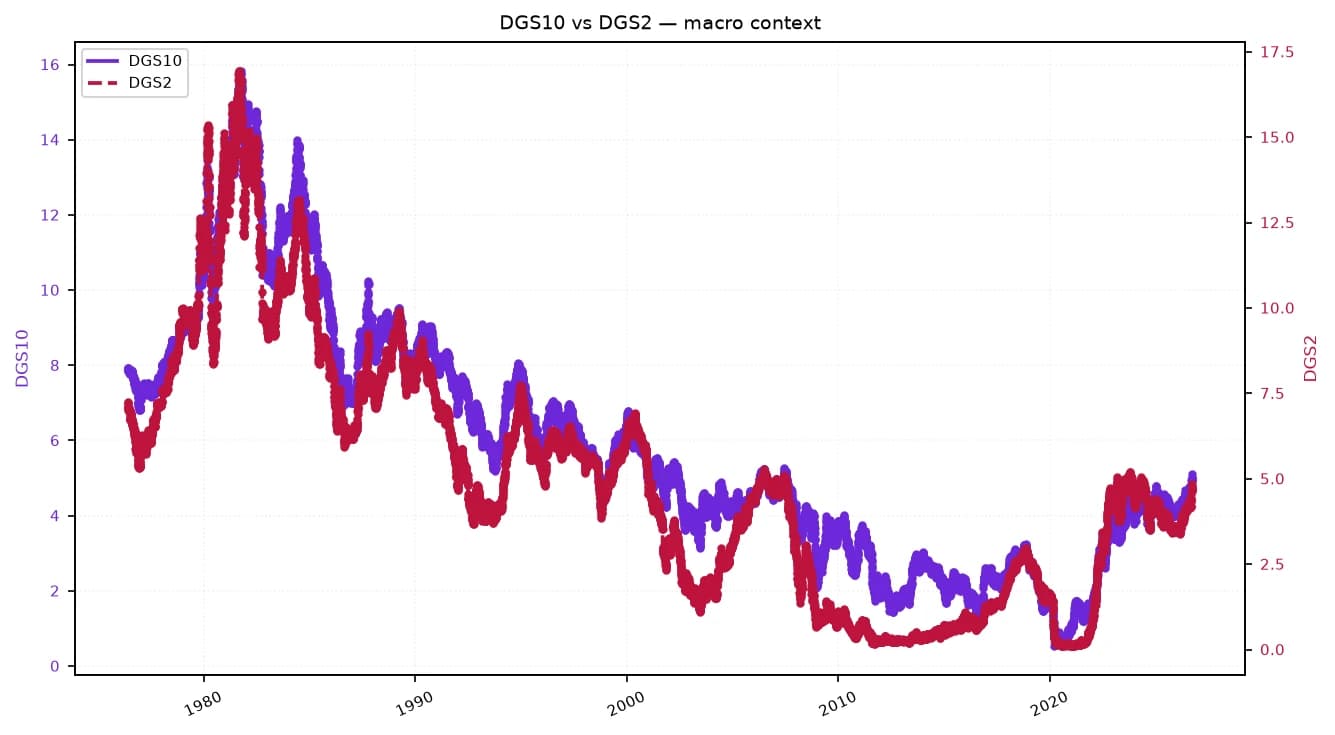
The broader market lens is that countries facing high borrowing costs are becoming more selective about balance-sheet management as global rates remain elevated by historical standards. With the U.S. 10-year Treasury yield around 4.6% and high-yield credit spreads still reflecting caution, debt reduction has become a more valuable signal to lenders and rating-sensitive investors than fresh spending promises.
Pakistan’s challenge now is whether this repayment is the start of a sustained deleveraging cycle or simply a one-off move enabled by temporary liquidity. The next test will be whether the government can pair debt prepayments with a credible plan to shrink circular debt, keep the IMF programme on track and prevent interest savings from being swallowed by new liabilities.
| Entity | Gains | Losses |
|---|---|---|
| Pakistan government | ▲Lower interest burden | ▼Near-term cash cushion |
| Pakistani banks | ▲Reduced sovereign rollover risk | ▼Slower loan growth from deleveraging |
| Bondholders / lenders | ▲Improved credit confidence | ▼Lower refinancing premia |
| Energy sector creditors | ▲Some debt normalization | ▼Continued pressure from circular debt |