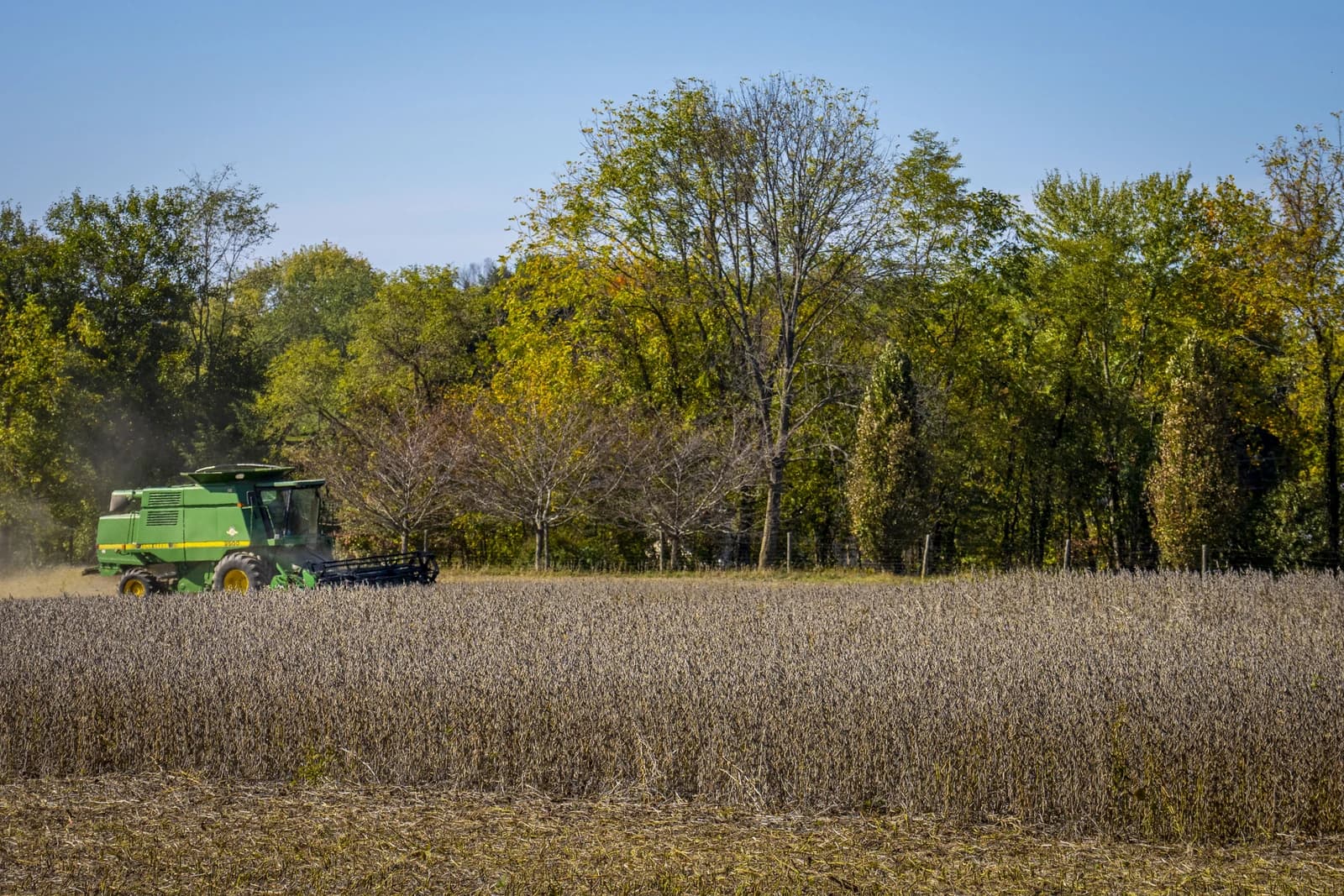
Soybean cultivation in Pakistan’s Pothohar region could become more than an agronomic experiment: if policymakers and farmers can scale production, it may reduce a costly reliance on imported edible oil and soften a persistent drag on the trade balance.
Pakistan Soybean Push Could Cut Oil Imports
That is why the region’s suitability matters economically. Pakistan imports a large share of the vegetable oil it consumes, leaving the country exposed to global soybean, palm and freight prices as well as to swings in the dollar. Expanding domestic soybean acreage would not eliminate that dependence, but even a partial substitution of imports with local supply would save foreign exchange, support rural incomes and reduce the pressure on external accounts at a time when food inflation and currency stability remain core policy concerns.
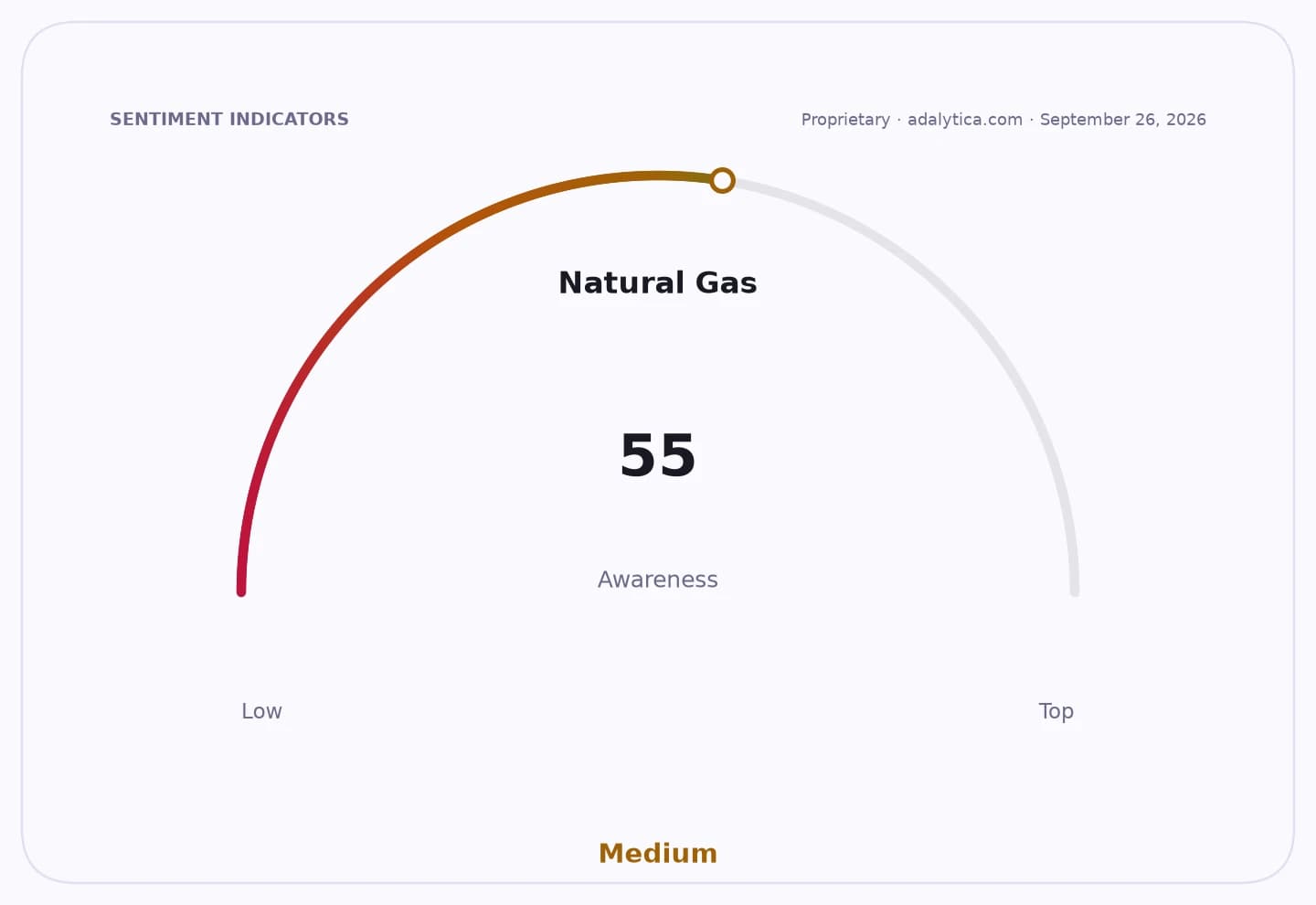
Sentiment IndicatorsⓘProprietary · adalytica.com · July 19, 2026
This is a snapshot — live sentiment, awareness and momentum for 130+ markets update continuously in the dashboard.Open AlphaPulse
The case for soybean in Pothohar is rooted in climate and land use. Experts say the area’s conditions are well suited to the crop, which makes it one of the more plausible candidates for import substitution in oilseeds without requiring a wholesale redesign of farming patterns. For Pakistan, the appeal is strategic: edible oil is a recurring import burden, and any durable increase in domestic oilseed output has a direct macroeconomic payoff through lower import bills and less exposure to international price shocks.
The timing also matters. Global soybean markets have been supported by strong Asian demand and a firmer export backdrop, while sentiment in related oilseed markets has turned more constructive. U.S.-listed soybean exposure has strengthened over recent months, with the SOYB exchange-traded fund trading well above its 50-day and 200-day moving averages and maintaining positive momentum, even after some short-term consolidation. That suggests investors are still paying close attention to supply-demand balances in oilseeds, especially where demand from Asia and policy decisions in emerging markets intersect.
For agribusiness investors, the more immediate implication is that Pakistan’s soybean push could open opportunities in seeds, storage, crushing and logistics if it moves beyond pilot-stage rhetoric. For incumbents reliant on imported edible oil, however, the development is a warning that public policy may increasingly favor domestic oilseed production over import dependence. The challenge will be execution: soybean yields depend on seed quality, agronomic support and reliable procurement, and those are precisely the areas where weak supply chains can frustrate policy goals.
There are clear bull and bear cases. The bullish view is that Pothohar offers a realistic path to incremental food-security gains and foreign-exchange savings, with benefits that compound if farmers see stable prices and buyers. The bearish view is that without certified seed, extension services and guaranteed market access, acreage targets may remain aspirational and imports will continue to dominate edible-oil supply.
For investors and policymakers alike, the key question is whether soybean can shift from a promising crop to a dependable domestic oilseed base. If it does, the gains would show up not just in farm incomes, but in a smaller import bill, a modestly stronger external account and less vulnerability to global commodity shocks.
| Entity | Gains | Losses |
|---|---|---|
| Pakistani consumers | ▲Lower import-linked price pressure | ▼None immediately |
| Farmers in Pothohar | ▲New cash-crop opportunity | ▼Crop execution risk |
| Pakistan’s external accounts | ▲Lower foreign-exchange outflow | ▼Import-dependent refiners |
| Global edible-oil suppliers | ▲Less immediate exposure to Pakistan demand | ▼Potential market share loss |