Pakistan’s stock market has climbed back above the 168,000-point mark as the State Bank said digital payments are expanding rapidly and fuel-price trends are easing inflation pressure, reinforcing the case for a more stable domestic financial backdrop.
Pakistan stocks top 168,000 on digital payments
The move matters because it points to a broader improvement in liquidity, transaction efficiency and confidence at a time when investors are watching for evidence that Pakistan can keep inflation contained and sustain activity without relying on repeated policy shocks. Cheap diesel and more expensive petrol affect transport and logistics differently, but the bigger market story is that the recent price adjustments, together with a steadier gold and silver backdrop, suggest fewer immediate price distortions feeding through the economy.
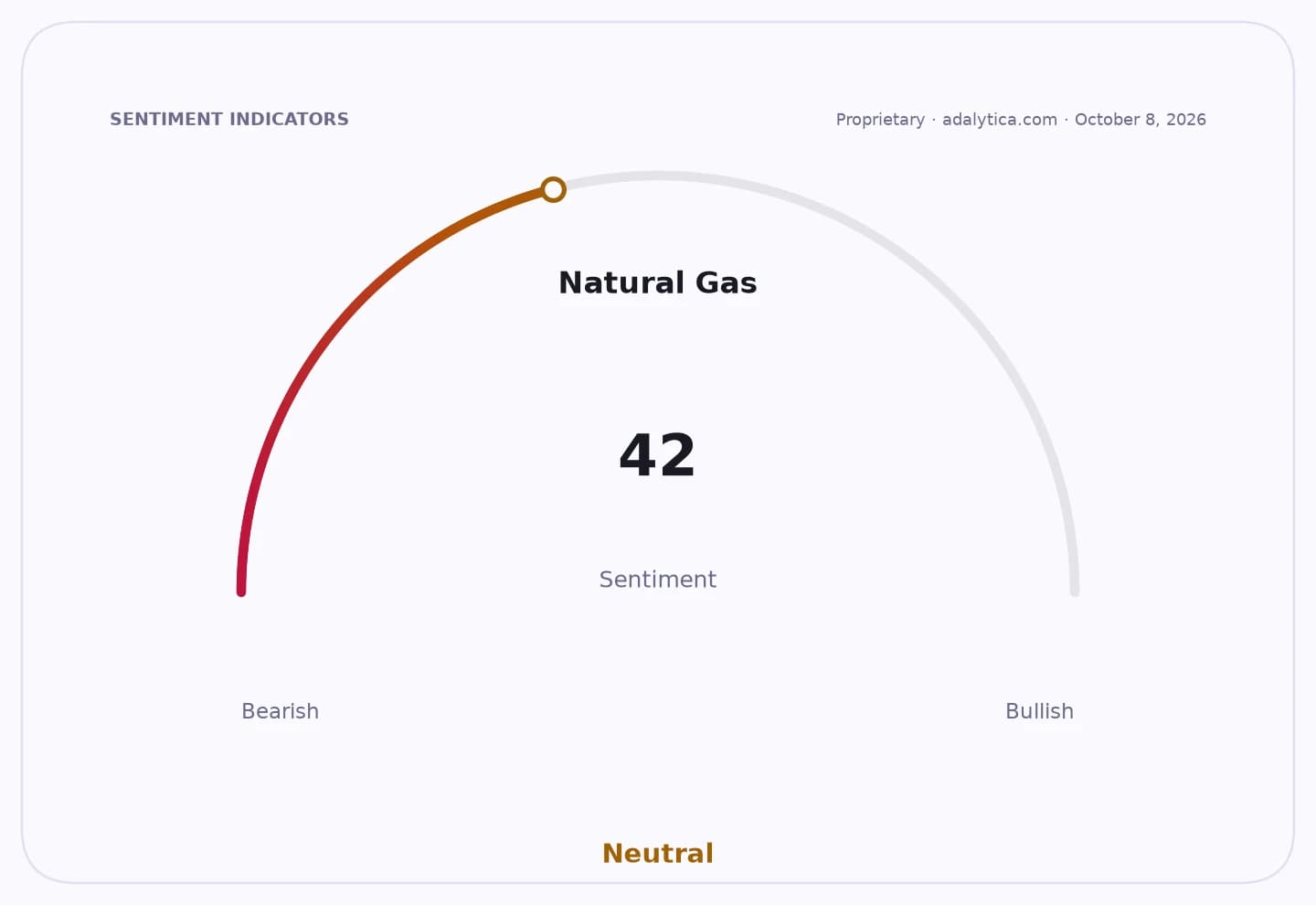
Sentiment IndicatorsⓘProprietary · adalytica.com · October 7, 2026
This is a snapshot — live sentiment, awareness and momentum for 130+ markets update continuously in the dashboard.Open AlphaPulse
For equities, the return to the 168,000 level is less about a single technical milestone than about the market’s willingness to price a softer inflation path and improving financial formalisation. Digital payments are especially important because they can widen tax collection, improve consumer spending data and reduce cash frictions in commerce, all of which help banks, payment processors and listed consumer businesses over time. A rapid shift toward electronic transactions also tends to support deposit mobilisation and gives lenders better visibility on cash flows.
The broader market signal is mixed but constructive. The benchmark’s recovery suggests investors are looking past near-term noise and toward policy continuity, while the State Bank’s comments imply that some of the macro headwinds that weighed on domestic demand may be easing. Still, higher petrol prices can filter through transport costs, and any relief from cheaper diesel may be limited if currency pressures return or global energy markets turn volatile.
Gold and silver stabilisation also matters for Pakistan’s financial system because it can slow the impulse for households to move savings into hard assets as a hedge. That does not remove risk appetite overnight, but it may reduce the urgency of defensive positioning if inflation expectations remain anchored and payment digitisation keeps accelerating.
The key question for investors is whether the rally can broaden beyond sentiment. If the payment shift translates into stronger banking throughput, better retail activity and lower cash leakage, the upside for financials and domestic cyclicals could extend. If fuel costs reheat inflation or external pressures intensify, however, the market’s return above 168,000 may prove more of a pause than a new regime.
| Entity | Gains | Losses |
|---|---|---|
| Pakistan equities | ▲Higher investor confidence | ▼Inflation shocks |
| Banks and payment firms | ▲More digital transactions | ▼Cash-based businesses |
| Consumers using diesel | ▲Lower transport costs | ▼Petrol users |
| Gold and silver holders | ▲Stable store of value demand | ▼Speculative inflation hedge buyers |