Karachi’s gas load shedding is forcing Lyari residents to line up for LPG, a sign that Pakistan’s urban energy squeeze is moving from inconvenience to a household-level cost shock.
Pakistan Gas Load Shedding Hits Lyari Households
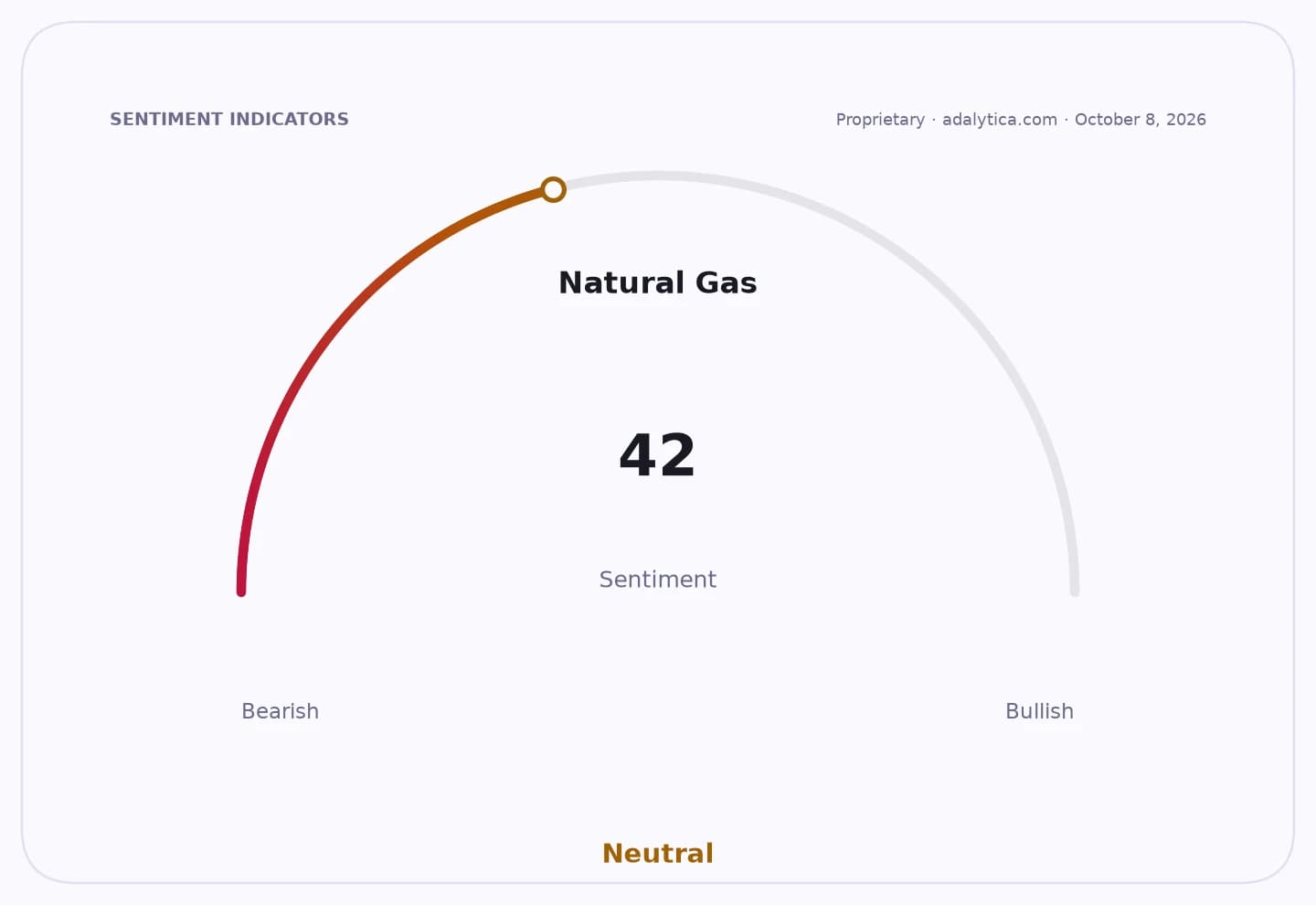
For investors, the immediate issue is not just a shortage of fuel but the damage it does to productivity, consumer spending and inflation. When families are forced to buy bottled gas to cook, their budgets get tighter, small businesses face higher operating costs and local demand shifts toward more expensive backup fuels. That kind of pressure ripples through an economy already vulnerable to energy disruptions.
The scene in Lyari underscores how fragile Pakistan’s gas distribution system remains. Load shedding in a major city means households cannot rely on piped supply, especially in lower-income neighborhoods where alternatives are limited and even short disruptions can quickly become a daily burden. In practical terms, that drives demand for LPG distributors and retailers while worsening the affordability problem for everyone else.
The broader narrative is one of energy insecurity pushing consumers down the fuel ladder. When piped natural gas becomes unreliable, households migrate to LPG, firewood or other substitutes, and that tends to lift costs across the board. For the wider economy, it also means more inflationary pressure at the margin, because higher cooking-fuel expenses show up immediately in household spending before they show up in official data.
That matters for markets too. Persistent gas shortages tend to weigh on companies exposed to domestic demand, while supporting parts of the LPG value chain if supply is available. But the bigger takeaway for long-term investors is more sobering: chronic energy bottlenecks are a tax on growth, and they make it harder for Pakistan’s consumer economy to build steady, compounding demand.
The key question now is whether policymakers can improve supply reliability before another round of load shedding spreads the cost to more cities and more households. Until then, Lyari’s queues are a reminder that energy shortages are not an abstract policy problem — they are a direct hit to living standards and to the companies that depend on stable consumer demand.
| Entity | Gains | Losses |
|---|---|---|
| LPG retailers | ▲Higher emergency demand | ▼None from piped supply |
| Lyari households | ▲Backup cooking fuel access | ▼Higher fuel bills |
| Local businesses | ▲Some continuity via LPG | ▼Higher operating costs |
| Pakistan’s economy | ▲None immediate | ▼Growth and inflation pressure |