Paraguay has trimmed overdue payments to road builders to an estimated $140 million to $160 million from $220 million, a sign the government is slowly clearing a backlog that has choked public works spending and is now feeding directly into a wider fiscal squeeze.
Paraguay trims road-builder arrears to $140M-$160M
The reduction matters because highway arrears are not just an accounting issue. They are a brake on construction activity, cash flow and employment in a sector that depends heavily on state contracts. When projects are delayed for years beyond their planned timetable, contractors are forced to finance work longer than expected, suppliers wait for payment and the government ends up rolling old obligations into new budget cycles, compounding the pressure.
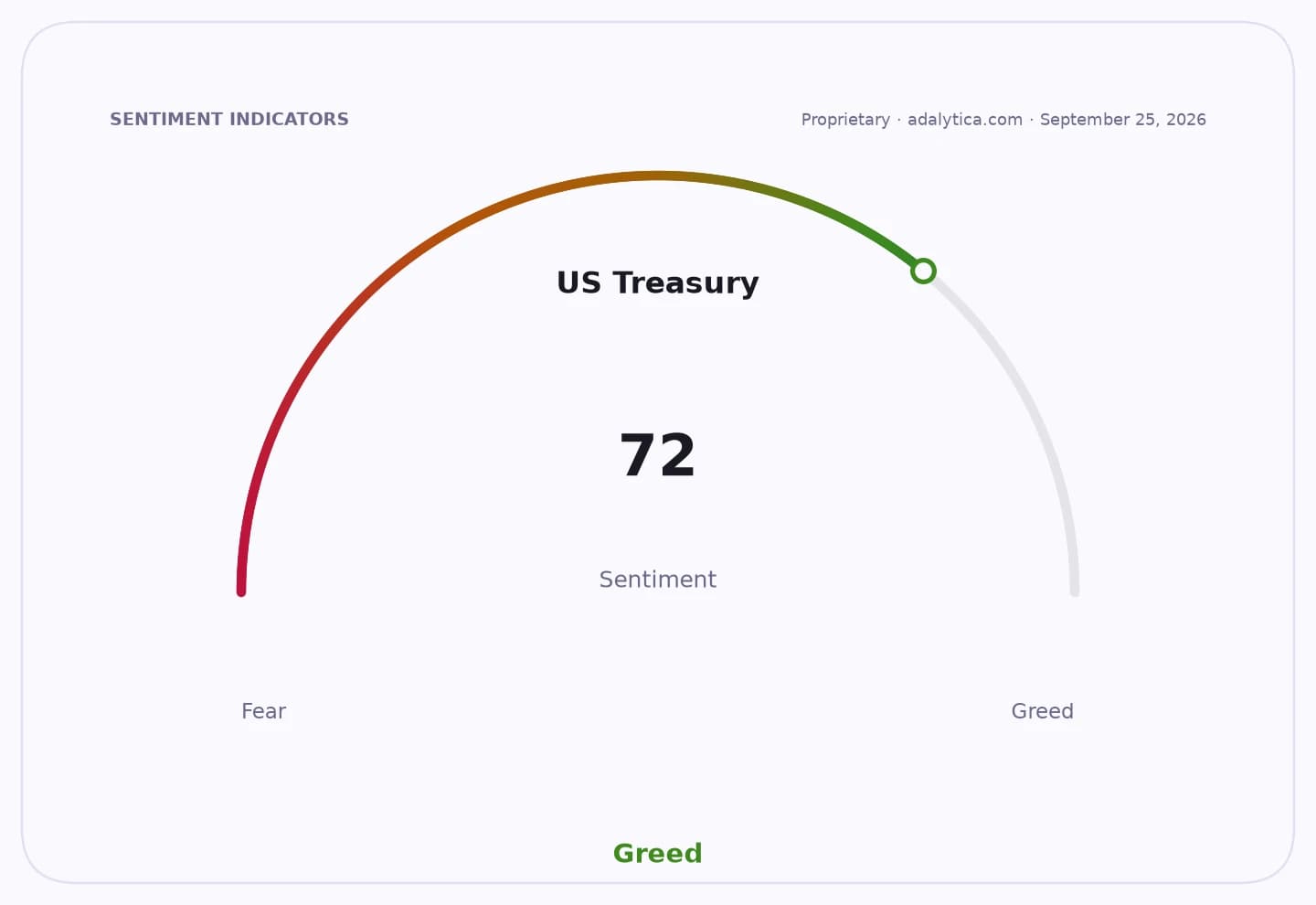
Sentiment IndicatorsⓘProprietary · adalytica.com · September 6, 2026
This is a snapshot — live sentiment, awareness and momentum for 130+ markets update continuously in the dashboard.Open AlphaPulse
Economy Minister Óscar Lovera said the arrears had built up because projects that were supposed to finish in 2023 and 2024 were still on the books in 2025, even though their planned execution period was about 36 months and the average at the public works ministry stretched to 60 months. That mismatch between planned and actual delivery is the core problem: it turns infrastructure spending into a hidden liability and pushes the eventual cash bill higher.
The fiscal cost is now showing up in the headline deficit. Lovera said the main factor behind this year’s projected deficit of 3.2% of GDP is the updating or settlement of those arrears, mainly in public works. For investors, that is the key tradeoff: paying down the backlog should help restore credibility with contractors and keep projects moving, but it also consumes budget space at a time when governments across emerging markets are under pressure to keep debt and borrowing costs in check.
The immediate winners are the construction firms and suppliers that can restart work and collect overdue cash. The losers are near-term fiscal balances and any bondholder expecting faster deficit consolidation. But for markets, the more important point is that clearing arrears can be the first step toward a cleaner infrastructure pipeline, which tends to support growth more durably than allowing unpaid bills to pile up off the books.
The next catalyst will be whether Asunción can turn this short-term cash drain into a more disciplined payment system. If the government brings arrears down further without forcing a sharp cut in road investment, it could stabilize the sector and improve budget transparency. If not, the backlog risks returning in the next budget cycle, leaving contractors exposed and investors wary of another round of delayed spending.
| Entity | Gains | Losses |
|---|---|---|
| Construction firms | ▲Overdue cash recovery | ▼Financing strain eases slowly |
| Government / MEF | ▲Better contractor relations | ▼Near-term fiscal deficit widens |
| Public works sector | ▲Projects resume | ▼Budget flexibility shrinks |
| Bondholders | ▲More transparent liabilities | ▼Higher deficit pressure |