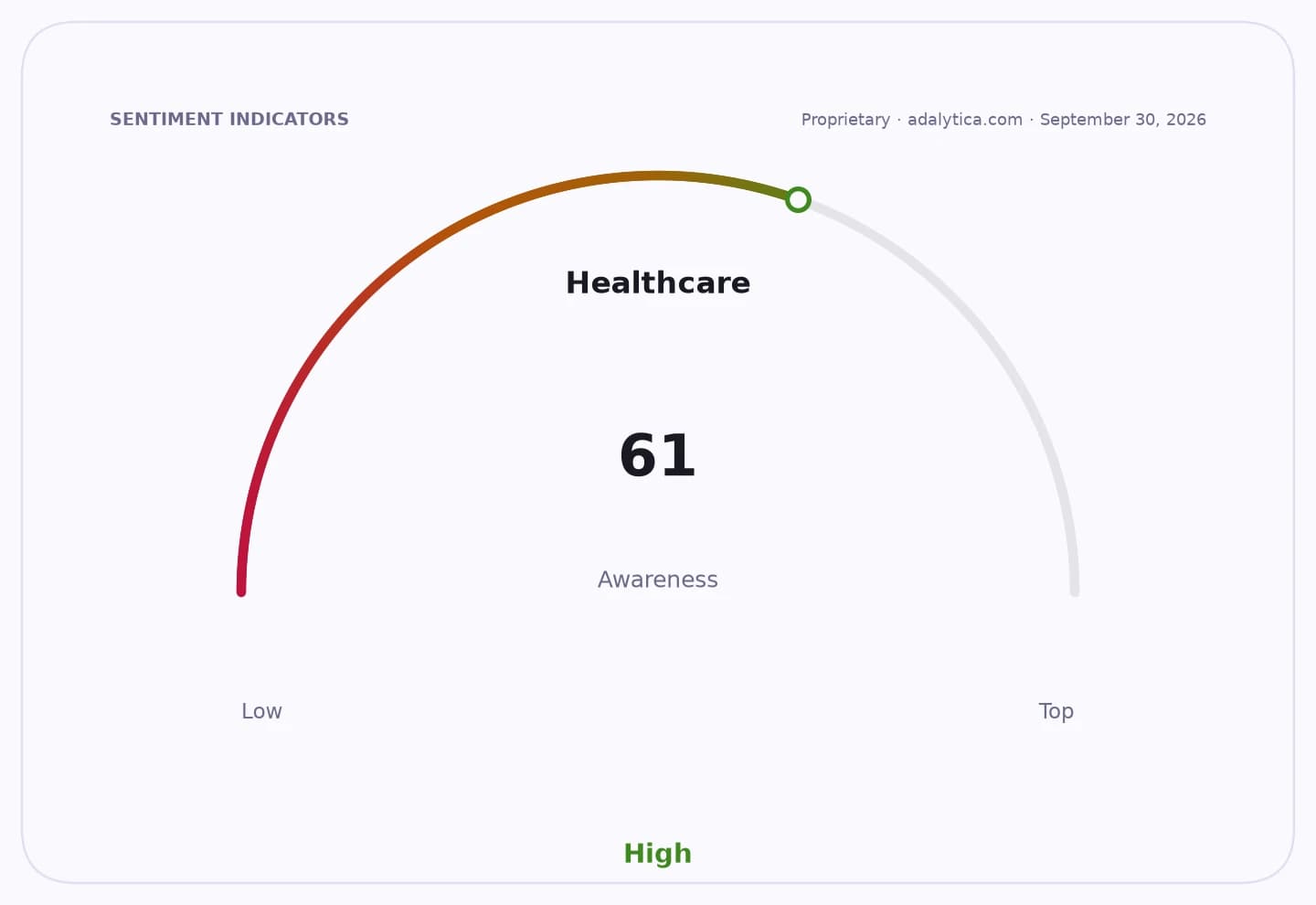
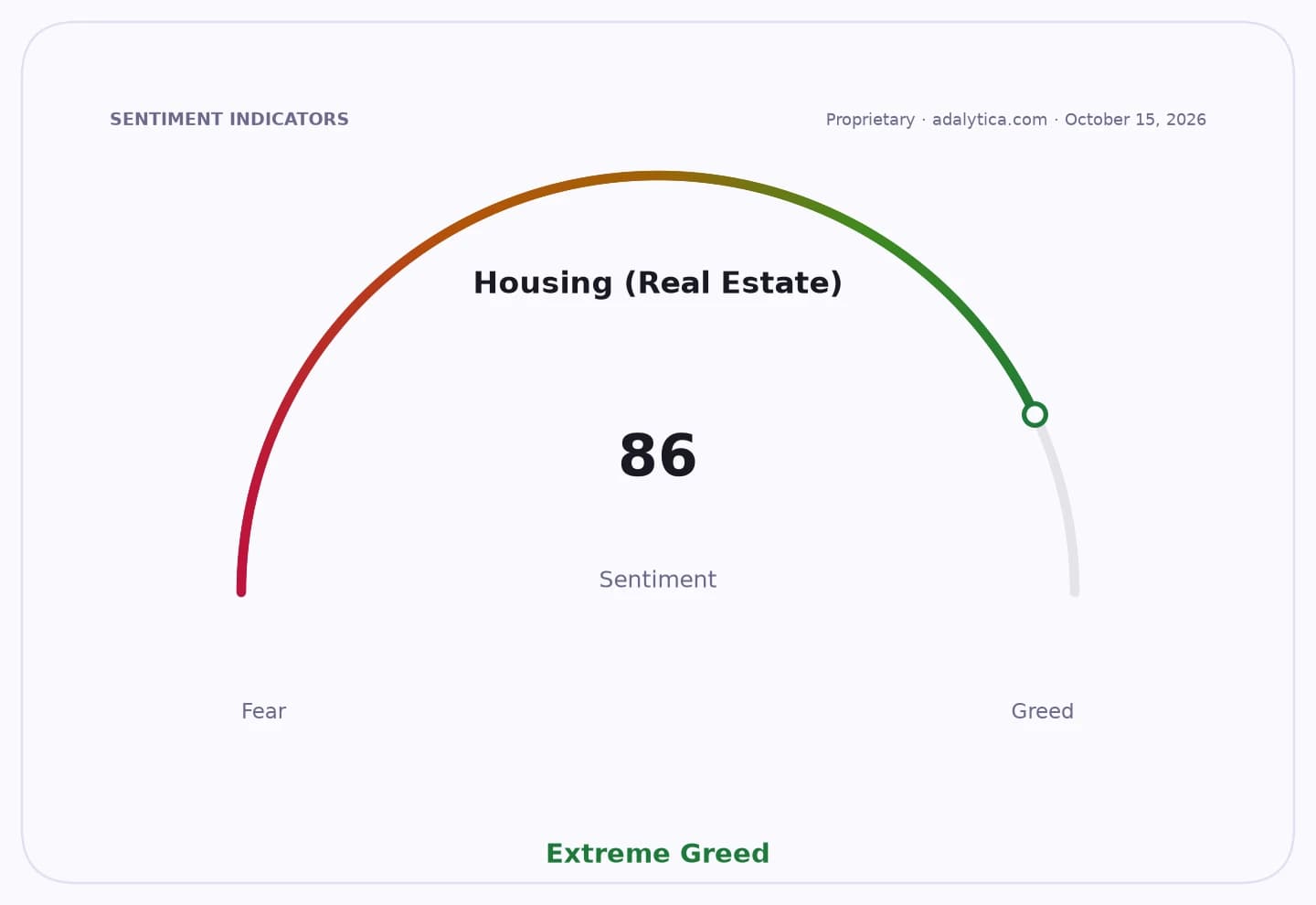
Parkway Life REIT is expanding its European footprint with the purchase of two nursing homes in France for 39 million euros, a deal that underscores continued investor appetite for defensive healthcare property even as financing conditions remain uneven.
Parkway Life REIT buys two France nursing homes
The acquisition matters because care homes sit at the intersection of aging demographics, sticky occupancy and long-duration lease income, making them among the more resilient real estate assets when broader property markets are under pressure. For landlords like Parkway Life, the appeal is steady cash flow tied to essential services rather than discretionary spending.
The transaction also points to a wider shift in healthcare real estate toward specialized residential facilities, including nursing homes and alternative eldercare models, as Europe grapples with an aging population and pressure on traditional care infrastructure. In France, the move comes against a backdrop of strained nursing-home capacity and recurring debate over how to fund and modernize eldercare.
For investors, the deal is another signal that healthcare REITs can still deploy capital into assets with predictable income streams, particularly in markets where demand for care beds is structurally supported. That makes the sector attractive in a higher-rate environment, even if financing costs can limit how aggressively REITs expand.
Parkway Life’s acquisition adds to the theme of cross-border healthcare property investing, where buyers are willing to pay for income visibility and inflation-linked or long-tenor lease structures. The key question now is whether similar opportunities emerge in Europe as operators, lenders and owners continue to reshuffle portfolios around demographically exposed assets.
| Entity | Gains | Losses |
|---|---|---|
| Parkway Life REIT | ▲Stable European income | ▼Cash outlay, execution risk |
| French nursing home operators | ▲New owner capital | ▼Less ownership control |
| Healthcare REIT investors | ▲Defensive cash flow | ▼Higher-rate funding pressure |
| Competing care-home buyers | ▲Fewer prime assets | ▼Less deal flow |