Peabody Energy’s short-lived share revival is losing steam, with the coal miner sliding back below its 50-day and 200-day moving averages after a run-up that had briefly revived hopes for a more durable turnaround.
Peabody Energy Falls Below 50-Day and 200-Day Averages
That matters because the stock’s latest move is not just a technical retracement. It comes as investors are reassessing whether the rebound in coal prices, sentiment and trading activity is enough to offset structural headwinds around mine safety, regulatory scrutiny and the sector’s still-fragile balance between cash generation and downside risk.
Sentiment Indicators
Peabody, which trades under BTU, closed at $22.51 on Oct. 28, down from $39.25 in late March and well below both its 50-day moving average of $25.99 and its 200-day average of $28.10. The shares have fallen sharply from the summer recovery, and the relative strength index at 32.1 shows the stock is approaching oversold territory, while the MACD remains negative. Volume has picked up to 2.68 million shares, suggesting the selloff is attracting attention but not yet stabilizing.
The weakness follows a mid-October filing in which Peabody disclosed that its Powder River Mining subsidiary received an imminent danger order from the Mine Safety and Health Administration on July 9. Safety orders do not automatically alter a company’s earnings trajectory, but they can disrupt operations, raise compliance costs and intensify scrutiny at a time when coal producers are already under pressure to prove that higher prices can translate into sustained free cash flow rather than one-off rallies.
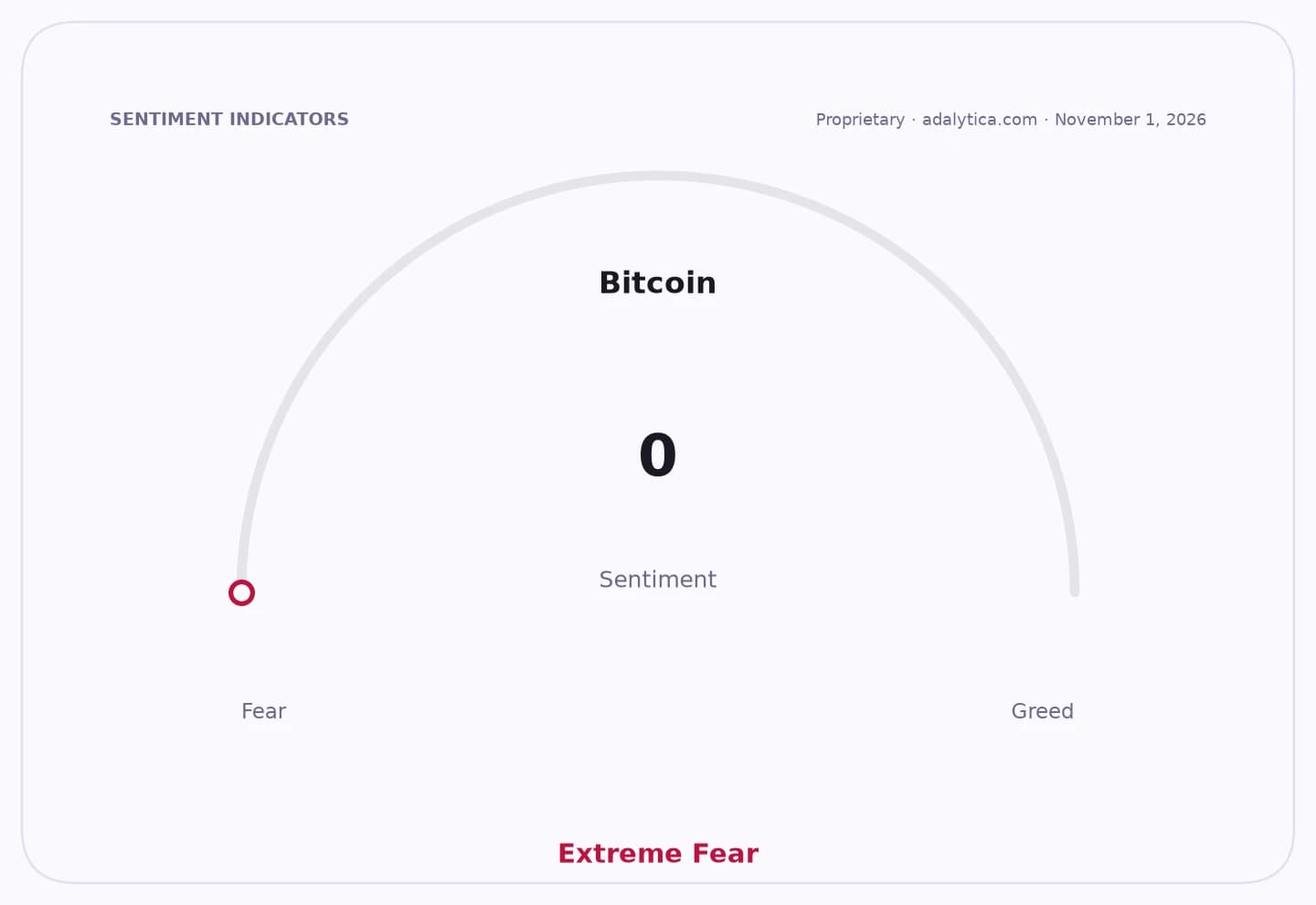
Coal itself has not been the problem. Adalytica’s Coal Fear & Greed Index stands at 82, indicating greed, even as its awareness reading sits in “Extreme Fear,” a combination that points to a market that remains interested in the trade but wary of the risks around execution, regulation and asset quality. That tension has been visible across the sector: sentiment has swung sharply in recent months, but the latest price action suggests traders are becoming less willing to chase a bounce without clearer evidence that production can run smoothly.
For investors, the question is whether this is a pause in a broader cyclical recovery or the point at which the rally loses momentum. Bulls can still argue that coal remains cash-generative and that safety issues at one mine need not define the entire portfolio. Bears will point to the stock’s failure to hold above its key trend lines, the deterioration in momentum and the likelihood that regulatory and operational friction will cap the upside unless coal prices rise further.
The next catalyst will be whether Peabody can restore confidence that the July shutdown is contained and that its operations can avoid further MSHA complications. Until then, the market is treating the relaunch as a trade rather than a thesis.
| Entity | Gains | Losses |
|---|---|---|
| Short sellers | ▲Lower share price | ▼Less upside risk |
| Long-term bulls | ▲Potentially cheaper entry | ▼Momentum and trend damage |
| Peabody Energy | ▲None immediately | ▼Investor confidence |
| Coal peers | ▲Relative comparison opportunity | ▼Sector-wide scrutiny |