AI infrastructure is moving from a speculative buildout to an operating discipline, and the companies that can design, deploy and run so-called AI factories are turning that shift into a competitive advantage.
Penguin Solutions AI factory platform gains traction

The clearest implication for investors is that the bottleneck in artificial intelligence is no longer just model quality. It is now power, networking, memory, cooling and day-two operations — the unglamorous infrastructure layers that determine whether a GPU cluster actually produces revenue. That is why Penguin Solutions is pitching its end-to-end AI factory platform as a way to capture value as enterprises move from testing AI to deploying it at scale.
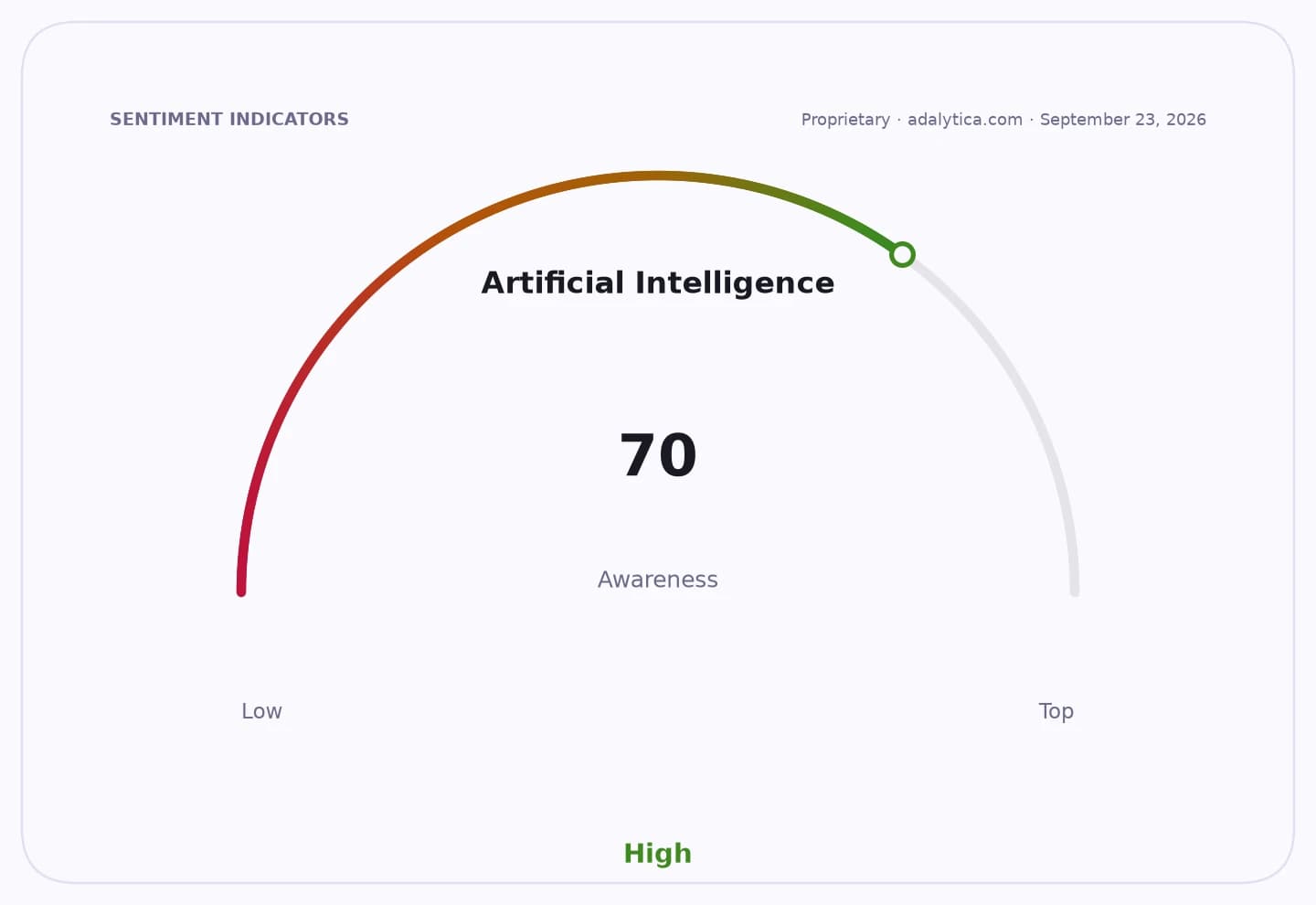
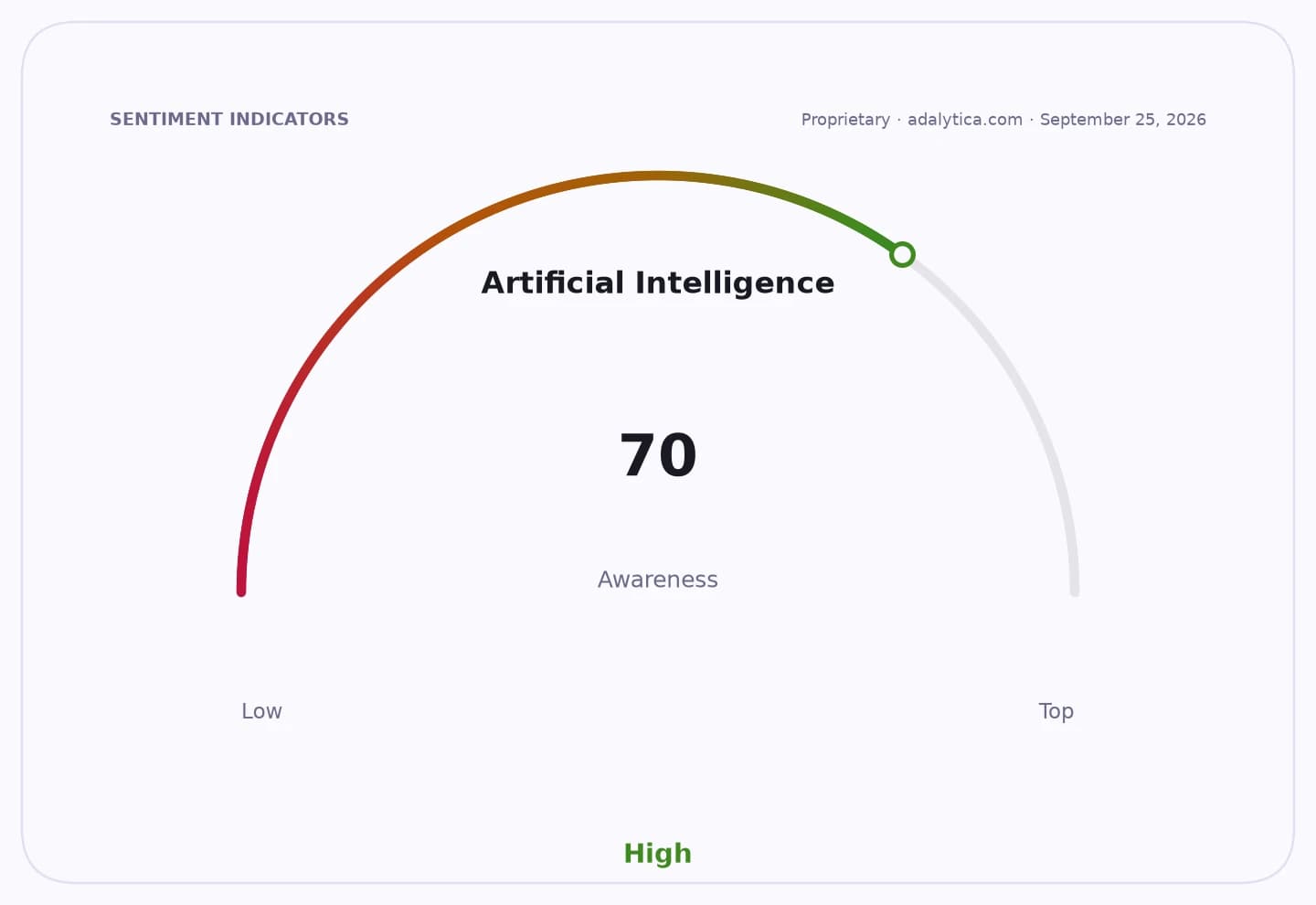
Sentiment IndicatorsⓘProprietary · adalytica.com · September 9, 2026
This is a snapshot — live sentiment, awareness and momentum for 130+ markets update continuously in the dashboard.Open AlphaPulse

Penguin says its model combines compute, memory, software and services across the full lifecycle, from design to management. The company argues that it has no direct competitor because it can integrate all four stages and manage more than 100,000 GPUs, with over 4 billion hours of GPU runtime behind its software and deployment expertise. The economic case is straightforward: customers are no longer buying hardware for experimentation, but trying to shorten time to token, reduce lead times and avoid wasting capital on underutilized clusters.
That matters because the market is increasingly rewarding firms that can convert infrastructure scarcity into pricing power. Oracle has said its OCI expansion requires significant capital and operating spending to build more data center capacity, while Nvidia has disclosed sharply higher supply and capacity commitments to meet demand. Microsoft, Amazon and Alphabet are also spending heavily on cloud and AI infrastructure, underscoring how the race has become as much about physical capacity as software differentiation.

Penguin’s pitch reflects a broader industry shift toward inference and agentic AI, where workloads depend more on memory bandwidth, cluster efficiency and operational reliability than on one-off training runs. Its MemoryAI appliances aim to cut the number of GPU nodes needed for a given workload by using CPUs to improve memory efficiency, lowering upfront investment and shortening deployment times. Its ClusterWareAI software is designed to detect and remediate bottlenecks or outages before they erode cluster performance.
For customers, especially in Latin America, the value proposition is less about architecture design than about execution. Penguin says demand there is strongest for deployment, cabling, liquid cooling integration and ongoing troubleshooting of fragile GPU systems. That suggests a second-order opportunity for integrators and service providers, not just chip vendors and cloud platforms, as AI capital spending spreads beyond the U.S. and into regions where talent and infrastructure maturity remain uneven.
The bull case for AI infrastructure is that demand remains structural and underbuilt. Google’s planned €13 billion investment in Finland and SK Telecom’s data-center strategy point to a global race to secure power and physical capacity. The bear case is that the cycle could become capital intensive and crowded, with returns dependent on utilization, pricing discipline and execution. In that environment, the companies that can make AI infrastructure cheaper, faster and easier to operate may capture the best economics.
For investors, the key question is not whether AI spending continues, but who owns the margin pool as the sector moves from model hype to industrial-scale deployment. The winners are likely to be the firms that can turn infrastructure complexity into a service, rather than simply sell more hardware into an increasingly congested supply chain.
| Entity | Gains | Losses |
|---|---|---|
| Penguin Solutions | ▲Higher-value service revenue | ▼Pure hardware commoditization |
| Nvidia | ▲Rising GPU demand | ▼Customers seeking fewer GPU nodes |
| Oracle/Microsoft/Amazon/Alphabet | ▲AI capacity monetization | ▼Higher capital intensity |
| Enterprises deploying AI | ▲Faster time to token | ▼Inefficient, fragmented builds |