Indonesia’s push to harden its digital economy is increasingly about one thing: who controls the chips, the data and the encryption that will keep government and commerce running as computing gets more powerful.
Peruri Digital Summit 2026 Focuses on AI and Chips
Peruri, the state-owned printer of Indonesia’s currency and security documents, is moving that debate to the center of its Peruri Digital Summit 2026, where it plans to focus on artificial intelligence, semiconductors and post-quantum cryptography. That matters because the companies and countries that master those three layers will likely own the next phase of digital infrastructure — and the fees, contracts and strategic leverage that come with it.
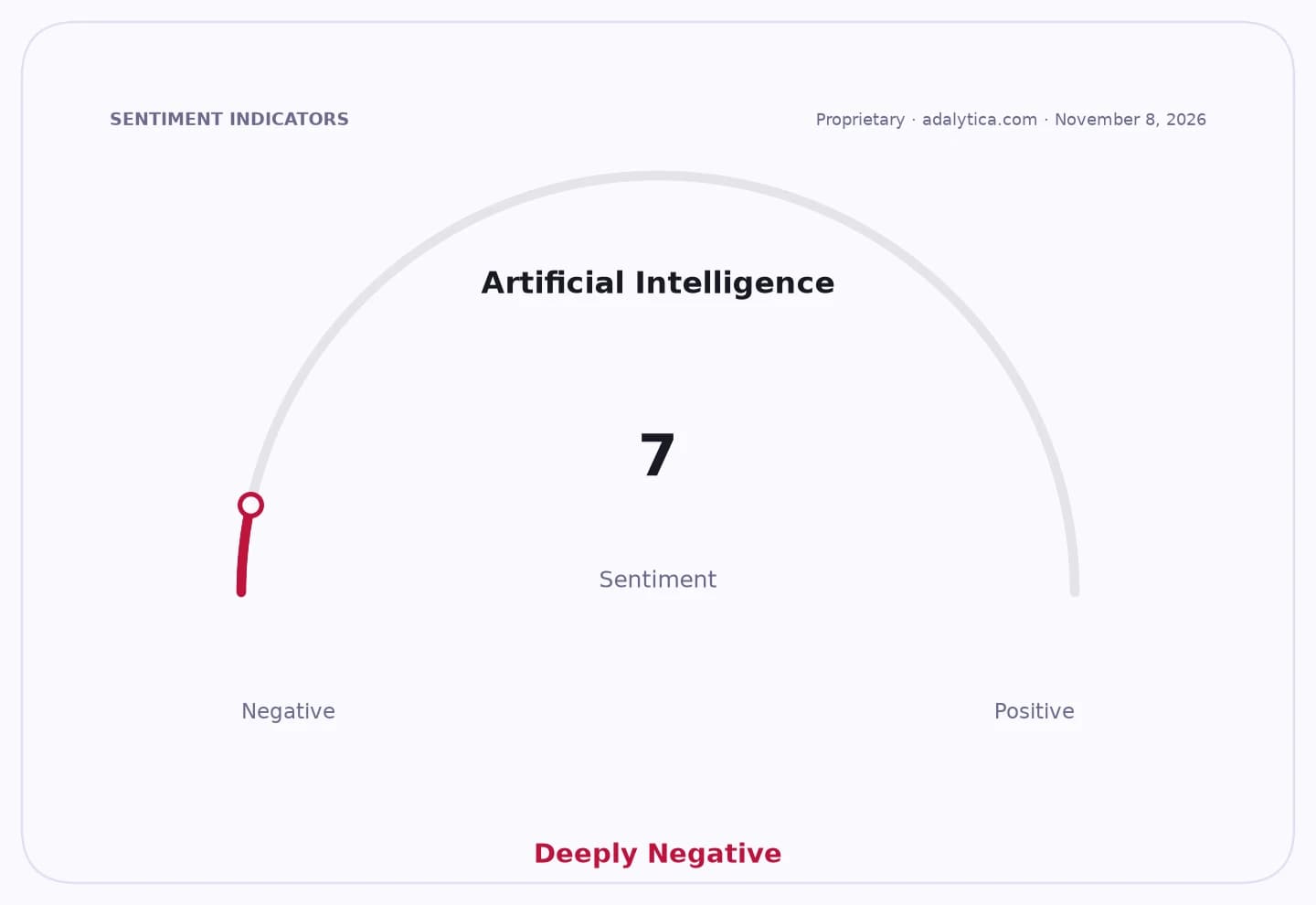
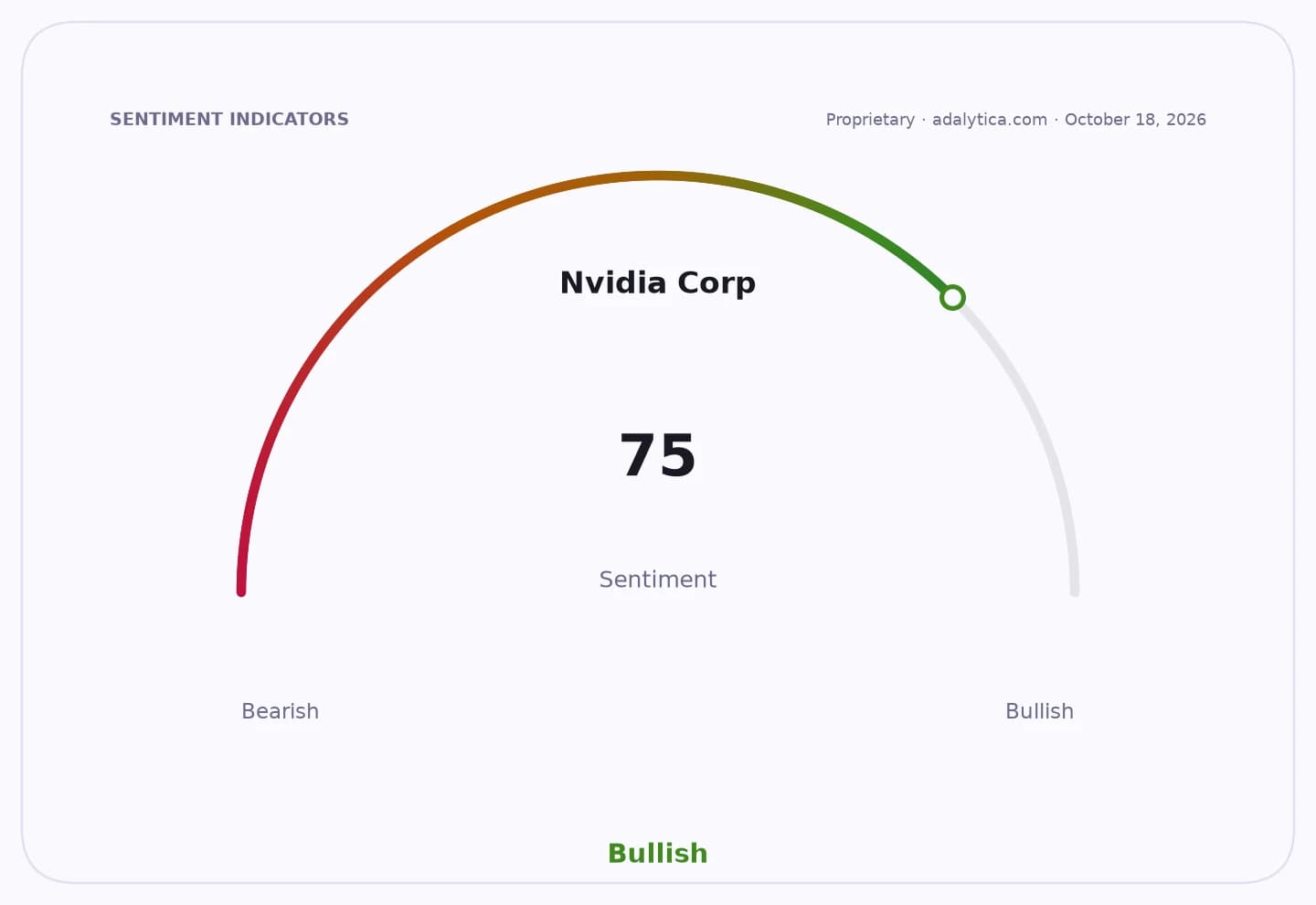
Sentiment Indicators
The message from Peruri is bigger than a conference agenda. In emerging markets, digital transformation often gets discussed as a software story. But the real bottlenecks are hardware capacity and trust architecture: chip supply for payments, identity and infrastructure; AI compute for productivity and automation; and encryption strong enough to survive the arrival of quantum computers. Those are not abstract themes. They are the rails on which public administration, financial systems and secure commerce will run.
Peruri said the summit, set for Oct. 21-22 at Taman Kota Peruri in Jakarta, will bring together industry players, government, academics and technology communities to map out Indonesia’s digital ecosystem. It is also launching a Chip Hackathon 2026 aimed at students, a signal that talent formation is now part of the national strategy, not an afterthought.
For investors, the significance is clear: the market still underestimates the long-duration capex cycle around AI infrastructure, secure chips and cybersecurity. The best returns in this theme rarely come from the headlines alone. They come from the picks-and-shovels providers — chip designers, equipment makers, data-security firms, cloud infrastructure names and the industrial suppliers that enable them.
The quantum angle is especially important. Post-quantum cryptography is a forward defense against a future in which today’s encryption can be broken more easily by next-generation computing. That creates a multi-year upgrade cycle for governments, banks, telecoms and critical infrastructure operators that cannot wait until the threat is fully here. Security spending tends to be sticky once standards shift, and once public agencies begin to mandate quantum-resistant systems, the procurement wave can widen fast.
That is why Peruri’s framing matters beyond Indonesia. It reflects a broader global reset in which AI adoption is accelerating compute demand, geopolitics is pushing countries to localize strategic technologies, and cybersecurity is moving from compliance expense to national resilience spending. The same forces are supporting leaders such as Nvidia and Microsoft, while also keeping attention on smaller pure plays in quantum technology and secure communications, including Quantum Computing Inc. and similar high-beta names tied to the next generation of cryptography and sensing.
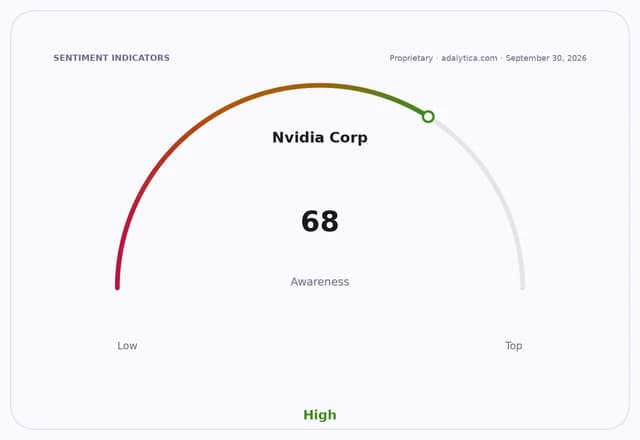
Adalytica data show heightened awareness around AI themes, while quantum security concerns are also rising, reinforcing the idea that the investment crowd is beginning to look past software buzz toward the infrastructure and protection layers underneath it. Even after sharp swings in some AI and quantum stocks, the underlying thesis has not changed: demand for compute, trusted chips and resilient security should compound for years, not quarters.
Peruri is effectively telling investors and policymakers where the next strategic choke points are. The opportunity is not in chasing every AI headline. It is in owning the infrastructure that makes AI usable, the chips that make digital identity possible, and the security stack that keeps the system intact when quantum computing arrives. Position early, and think in years, not weeks.
| Entity | Gains | Losses |
|---|---|---|
| Chip makers and designers | ▲More strategic demand | ▼Complacency on supply chains |
| Cybersecurity firms | ▲PQC upgrade cycle | ▼Legacy encryption vendors |
| AI infrastructure providers | ▲Higher compute spending | ▼Software-only narratives |
| Governments and banks | ▲Stronger digital resilience | ▼Outdated security systems |