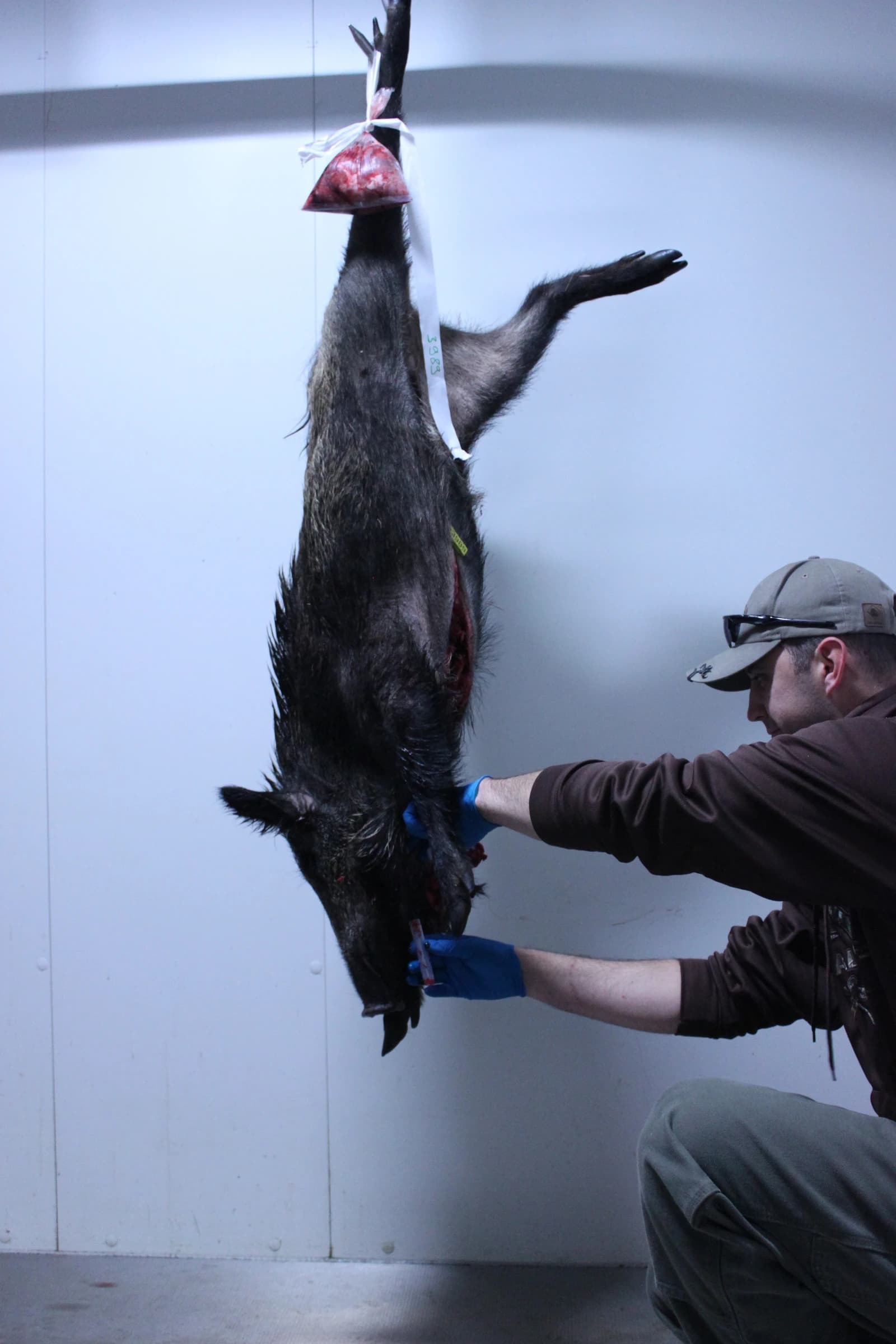
A German study finding wild boars in North Rhine-Westphalia contaminated with PFAS pushes the “forever chemicals” crisis beyond industrial cleanup and into the food chain, raising the economic cost of pollution for farmers, hunters, regulators and manufacturers alike.
PFAS in German wild boars raises cleanup costs
That matters because PFAS is no longer just an environmental liability buried in legal disclosures and remediation budgets. When persistent chemicals show up in game meat, the issue becomes a broader public-health and agriculture problem, with potential knock-on effects for land values, local food sales, wastewater treatment and disposal rules across Europe. The market has already learned that PFAS can become a long-tail cost for chemical makers and industrial users; the new twist is that contamination is increasingly visible in the everyday economy.
For investors, the message is that PFAS remediation is moving from a niche legal overhang to a secular infrastructure and compliance theme. Companies tied to filtration, testing, waste treatment and soil remediation stand to benefit as governments tighten standards and expand monitoring. By contrast, industrial names with legacy PFAS exposure face a longer liability tail, more reserve pressure and a greater chance of headline risk as regulators widen their focus from manufacturing sites to surrounding ecosystems.
The Salzburg Airport dispute over PFAS disposal underscores the same dynamic: Europe is still struggling to define who pays, how waste is handled and what “safe” looks like when the chemicals do not break down. That uncertainty is exactly what keeps this story investable. Every new contamination finding increases pressure for bans, faster detection and cleaner substitutes, creating a market for alternatives while raising the cost of delay for incumbents.
The broader thesis is clear: PFAS is becoming a durable capital-allocation issue, not a one-off cleanup headline. The winners are the firms selling testing, water treatment and remediation services; the losers are the manufacturers, municipalities and property owners forced to absorb the cost of a chemical legacy they did not create. In a market that often underprices slow-moving environmental liabilities, this is the kind of secular compliance trend that can compound for years.
| Entity | Gains | Losses |
|---|