Phu Quoc’s first Michelin Guide list is expected in mid-2027, the same year the island hosts APEC, creating a two-pronged boost that could push visitors to spend more, stay longer and return after the summit.
Phu Quoc Michelin Guide and APEC in 2027
The timing matters because APEC will bring diplomats, business delegations and event traffic to the island, while Michelin recognition gives hotels, restaurants and tour operators a powerful new selling point to turn that traffic into higher-value bookings. For investors in Vietnam’s tourism, hospitality and MICE ecosystem, the real prize is not just more arrivals but better monetization of each trip.
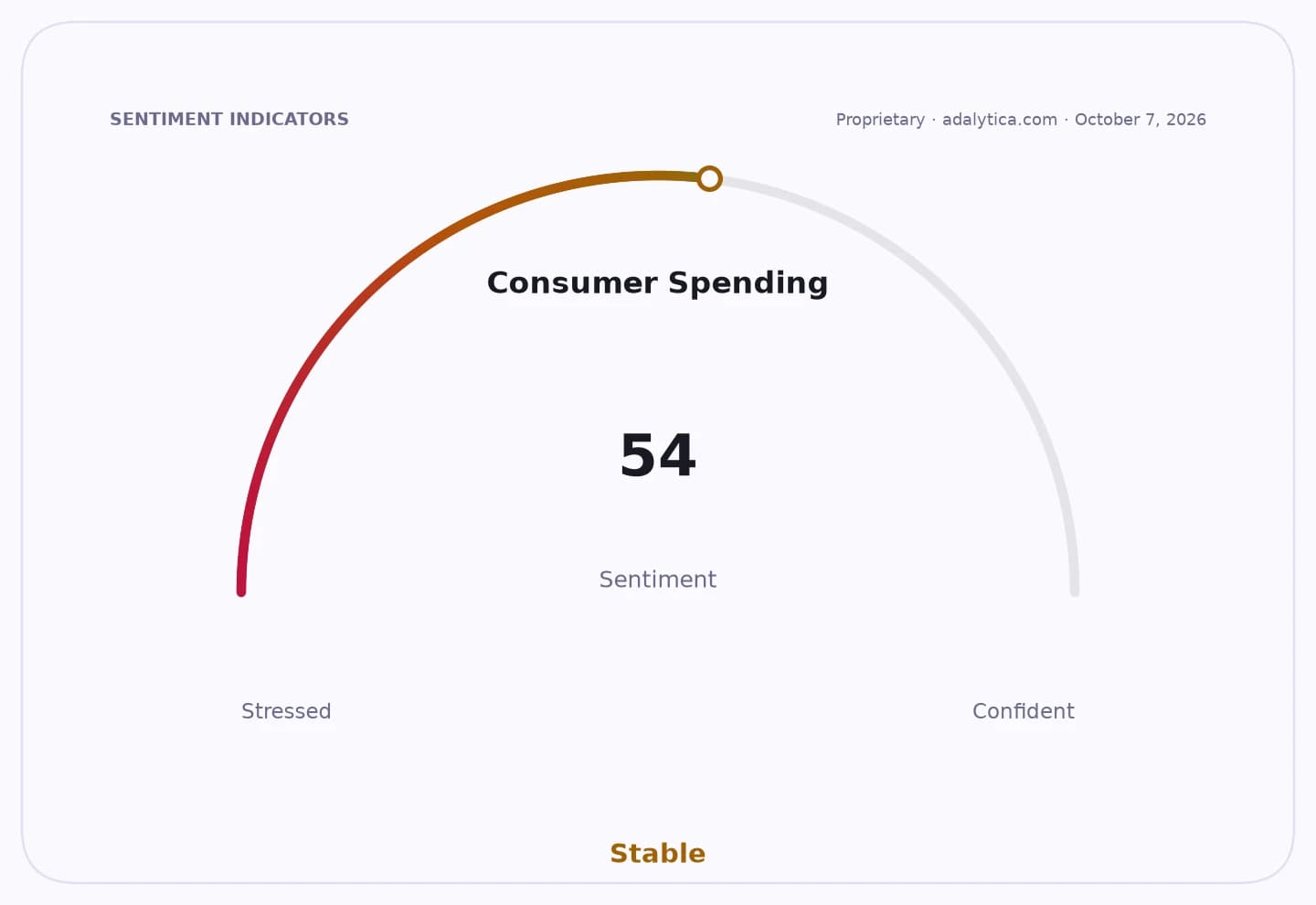
Sentiment IndicatorsⓘProprietary · adalytica.com · October 7, 2026
This is a snapshot — live sentiment, awareness and momentum for 130+ markets update continuously in the dashboard.Open AlphaPulse
Michelin expanded its selection area to Phu Quoc on Oct. 1, with the first local list due to be unveiled around the middle of 2027. That announcement lands in a year when the island is also preparing for the APEC Economic Leaders’ Week, a convergence that could lift international attention on the destination at exactly the right moment.
The opportunity is straightforward: APEC fills rooms and meeting halls, while Michelin-worthy dining gives delegates and leisure travelers a reason to spend outside the official agenda. A dinner tied to a chef, local ingredients or island culture can move from being an amenity to becoming a reason to choose Phu Quoc in the first place.
That is why the potential payoff extends beyond restaurant reservations. If hotels, event planners and tour operators package Michelin-listed spots into bookable products, the island can capture more revenue through private dinners, curated food tours, seasonal menus and stay-and-dine offers that encourage longer bookings.
Phu Quoc already has a base of high-end hospitality to build on, including Pink Pearl at JW Marriott Phu Quoc Emerald Bay, restaurants at La Festa Phu Quoc - Curio Collection by Hilton, and venues across Bãi Kem and other resort clusters. New properties, including Rixos Phu Quoc Vietnam, could add more options for premium travelers and conference groups.
For the island’s MICE market — meetings, incentives, conferences and exhibitions — food is also part of the pitch. A gala dinner that draws on fish sauce, pepper and seafood from the island can strengthen the event experience and make the destination more memorable, but only if organizers can match restaurant quality with capacity, logistics and privacy.
That is where the economic upside becomes tangible. Michelin recognition can help validate quality, but the spending boost only follows if the island’s hotels, transport providers and tour companies connect the dots between airport, conference center, resort and dining venue. Without that, the guide becomes a prestige marker rather than a revenue engine.
The broader narrative is that Phu Quoc is trying to convert a one-time global spotlight into a durable tourism product. APEC can create the initial surge, but Michelin can help shape what comes after: more premium meals, more side trips, more overnight stays and more repeat visits.
For investors, the key catalyst is whether 2027 turns into a sustained uplift in average spend per visitor rather than a short-lived event-driven spike. If the island can keep premium dining accessible to travelers before and after APEC, it could strengthen the economics of Vietnam’s resort and conference market well beyond the summit year.
| Entity | Gains | Losses |
|---|---|---|
| Phu Quoc hotels | ▲Higher room rates | ▼Reliance on event traffic |
| Restaurants and local suppliers | ▲More bookings and spending | ▼Capacity pressure |
| Tour operators | ▲Premium food-focused packages | ▼Weak packaging execution |
| Competing beach destinations | ▲— | ▼Attention diverted to Phu Quoc |