Europe’s energy map just got a lot more interesting: a major oil and gas discovery off Poland’s Baltic coast could add a new domestic supply source at a time when the continent is still paying a premium for energy security. For investors, that is not just a geological headline — it is a potential multi-year catalyst for Polish infrastructure, offshore services and regional energy assets.
Poland Baltic oil discovery could lift offshore energy spending
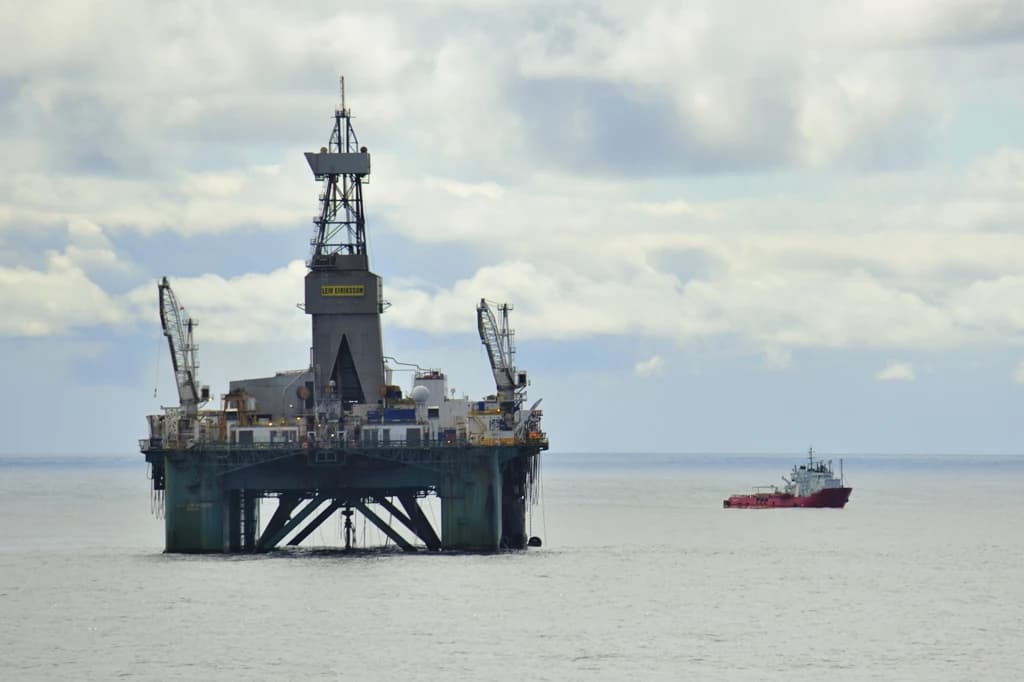
The field, described in local reporting as the largest oil and gas find in Poland since the Second World War, sits in the broader context of Europe’s struggle to rebuild reliable fuel supply after years of war-driven disruption and underinvestment. Even before any commercial output, the mere prospect of a large new basin matters economically because it can reduce import dependence, support the balance of payments and temper the long-run leverage that foreign suppliers hold over regional prices.
That matters now because energy remains one of the most politically charged inputs in Europe’s economy. Polish policymakers have already been pushing harder on energy independence, while broader Central European demand is being reshaped by a mix of renewable buildout, gas-storage caution and lingering geopolitical risk. A sizeable offshore discovery would reinforce that shift, giving Poland more optionality in power generation, petrochemicals and industrial supply over time.
The market backdrop also argues that investors should pay attention. Crude is still trading in the mid-$80s a barrel, a level that keeps upstream projects attractive, while the U.S. benchmark 10-year yield at 4.63% underscores how expensive capital remains for long-duration resource bets. That combination tends to reward operators with scale, balance-sheet strength and disciplined development plans, while punishing smaller players that need higher prices and easier funding conditions to monetize discoveries.
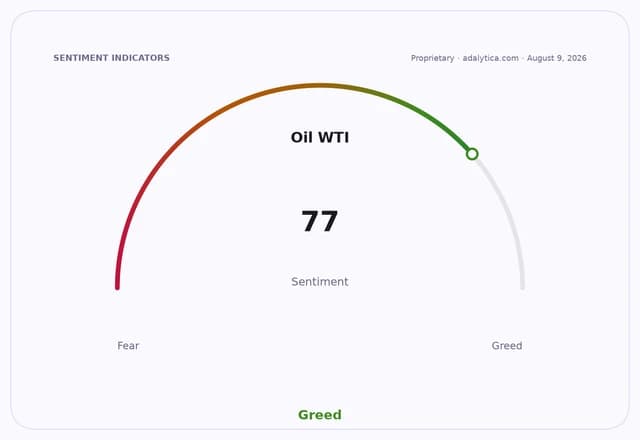
Energy equities are already telling part of the story. The Energy Select Sector SPDR Fund has climbed above its 50-day and 200-day moving averages, a sign that the sector still has institutional support even after recent volatility. U.S. Oil Fund flow and positioning remain elevated, and Adalytica’s trade signals for oil show sentiment in “Greed” territory, suggesting the market is still willing to pay for upside tied to supply shocks and geopolitical premium.
The bigger trade is not just in crude itself. It is in the picks-and-shovels. Offshore engineering, seismic imaging, drilling, subsea equipment, pipeline buildout and midstream storage all stand to benefit if Poland moves from discovery to appraisal and then to sanctioned development. That is where the asymmetric opportunity lies: the resource owner may get headlines, but the service stack captures the capex.
Investors should also watch for second-order winners in Poland and across Central Europe. More domestic hydrocarbons would help utilities, industrial users and governments that have spent years juggling import bills, LNG dependence and grid resilience. It would also strengthen the case for related investment in transport corridors, processing assets and power infrastructure that can turn a geological find into a strategic economic asset.
The key question now is not whether the discovery matters — it does. It is how quickly it can move from headline to reserves certification, from reserves to financing, and from financing to production. If those milestones line up, Poland’s Baltic find could become one of the most important European energy stories of the decade, and the best way to play it may be through the infrastructure and services names that get paid while everyone else debates the price of oil.
| Entity | Gains | Losses |
|---|---|---|
| Poland | ▲Energy security | ▼Import dependence |
| Offshore drillers & service firms | ▲New capex cycle | ▼Idle equipment |
| European energy importers | ▲Supply optionality | ▼Foreign supplier leverage |
| Crude bears | ▲Supply fear premium fades | ▼Higher risk of tighter markets |