Poland’s latest capacity market auction appears to have locked in coal-fired generating units for another year, easing near-term supply concerns but also underlining how dependent the country’s power mix still is on state-backed support.
Poland coal units secure 2027 capacity contracts
Preliminary results from the Sept. 3 supplementary auction for 2027 delivery suggest all coal units that entered the sale secured contracts, according to Maciej Burny, head of advisory firm ENERXperience. The auction finished in the fifth round at prices between 325.56 zlotys and 372.04 zlotys per kilowatt per year, above the 306 zlotys/kW/year price floor that would have started ejecting some bidders.
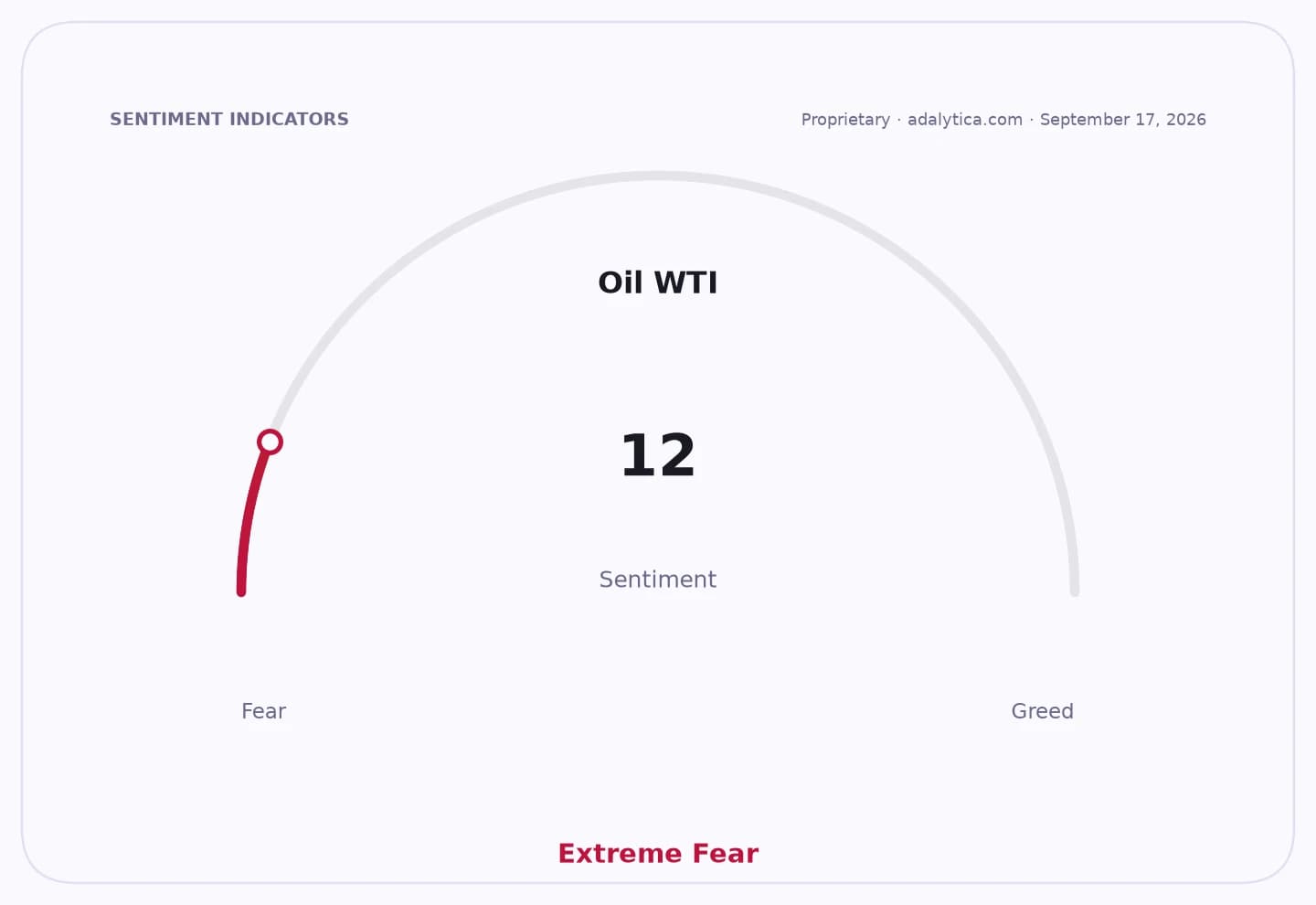
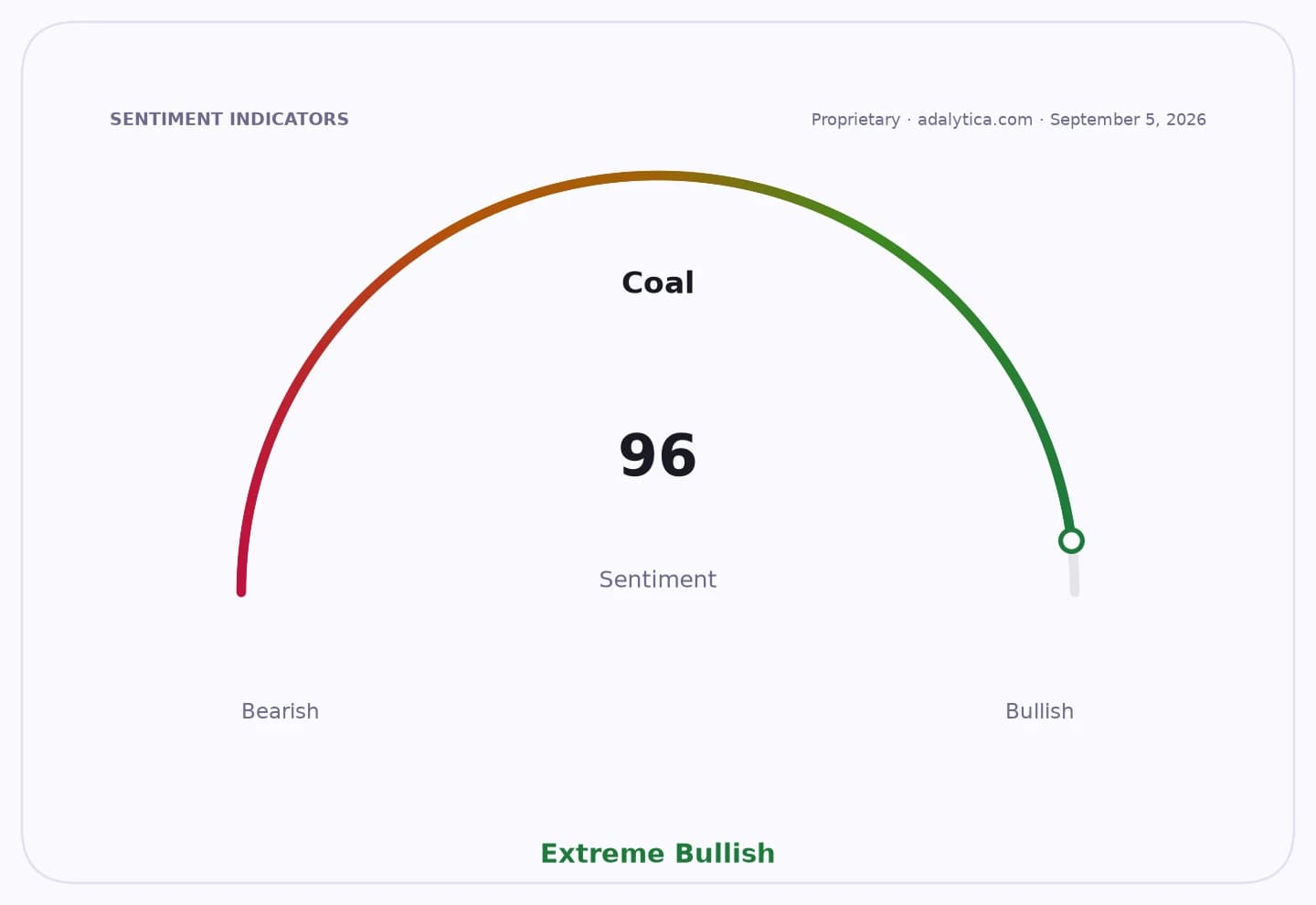
Sentiment IndicatorsⓘProprietary · adalytica.com · September 5, 2026
This is a snapshot — live sentiment, awareness and momentum for 130+ markets update continuously in the dashboard.Open AlphaPulse

That matters because Poland’s capacity market is one of the main mechanisms keeping older coal plants available even as the country pushes toward a cleaner grid. The supplementary auction is a special derogation that still allows coal units to participate, giving generators a financial bridge while the system remains reliant on dispatchable thermal power.
For investors, the result reduces the risk of an abrupt coal exit next year and supports cash flows for utilities and coal-linked power assets that still depend on capacity payments. It also suggests demand for firm power remains strong enough to keep thermal units in the money, even as new renewables continue to expand and pressure coal’s long-term role.

Burny said the lower volume of coal contracted versus the 2026 delivery auction likely reflects fewer projects on offer after some units were withdrawn, not weaker demand. The outcome was broadly in line with expectations and roughly matched the 2025 supplementary auction clearing level of 346.37 zlotys/kW/year.
The bigger issue now is 2028. Next year’s supplementary auction will be the last one open to coal units for delivery in 2028, and the industry is already watching what replaces the current capacity market after the main auction cycle ended in 2025. How Poland structures that successor support scheme will determine whether more coal generation can stay online beyond 2028 or whether plants are forced to accelerate retirements.
| Entity | Gains | Losses |
|---|---|---|
| Coal-fired generators | ▲Another year of contracted revenue | ▼Less urgency to retire immediately |
| Polish utilities | ▲Near-term supply security | ▼Continued dependence on coal support |
| Power consumers/grid operators | ▲More available firm capacity | ▼Higher system costs from subsidies |
| Renewables / low-carbon investors | ▲Clearer transition timeline ahead | ▼Coal keeps a stronger foothold in the mix |