Poland’s gas storage sites are now the fullest in the European Union, giving the bloc one of its clearest signs yet that winter supply risk is manageable even as parts of Europe remain far less prepared.
Poland gas storage leads EU before winter

The country’s storage facilities were 93.5% full as of Sept. 1, according to EU data, ahead of Portugal at 93.1% and well above the European Commission’s 80% threshold it considers sufficient to keep households and industry supplied through the cold season. The EU average was 65.4%, with Germany at 53.3%, the Netherlands at 47.2% and Latvia at 45%.
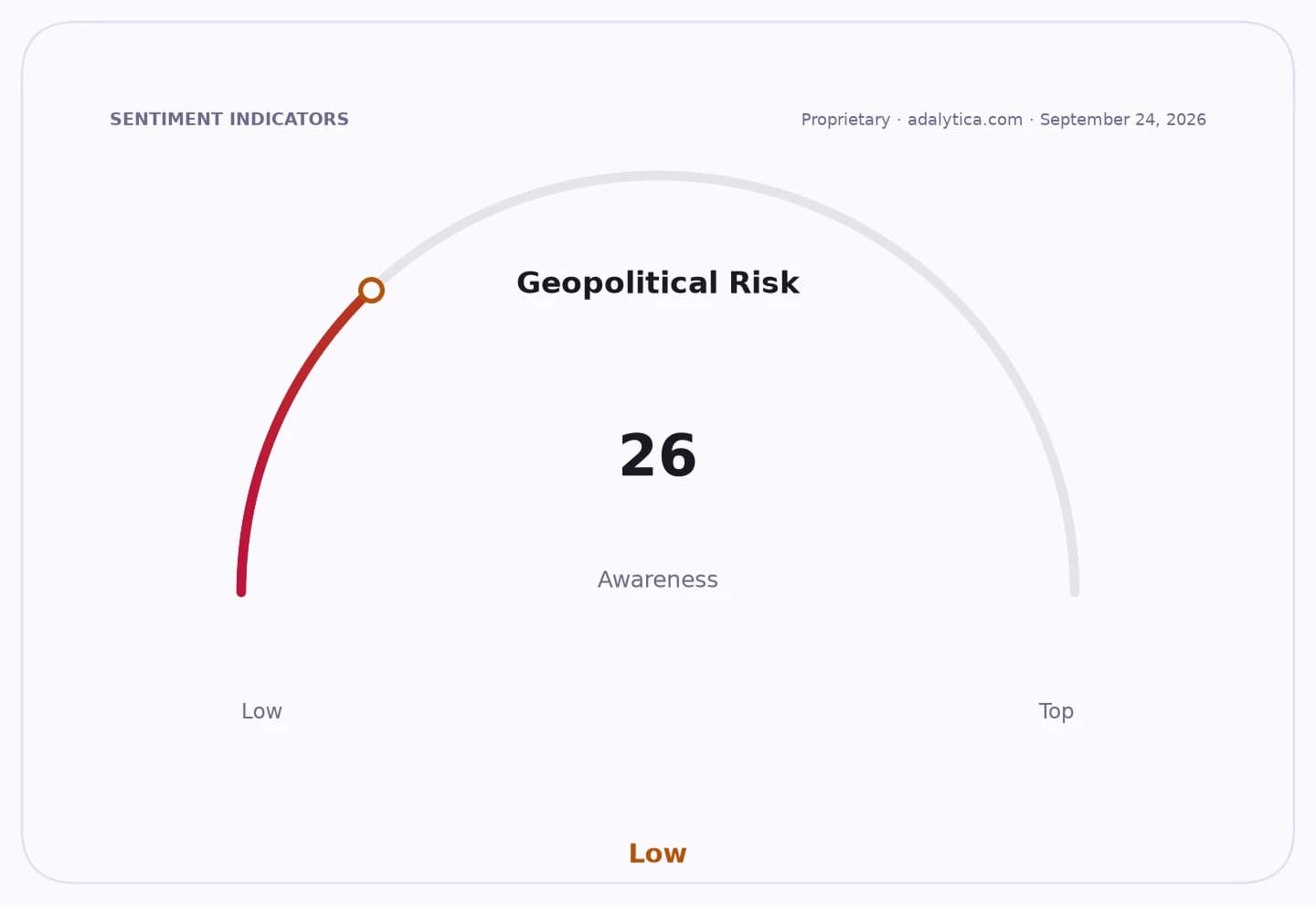
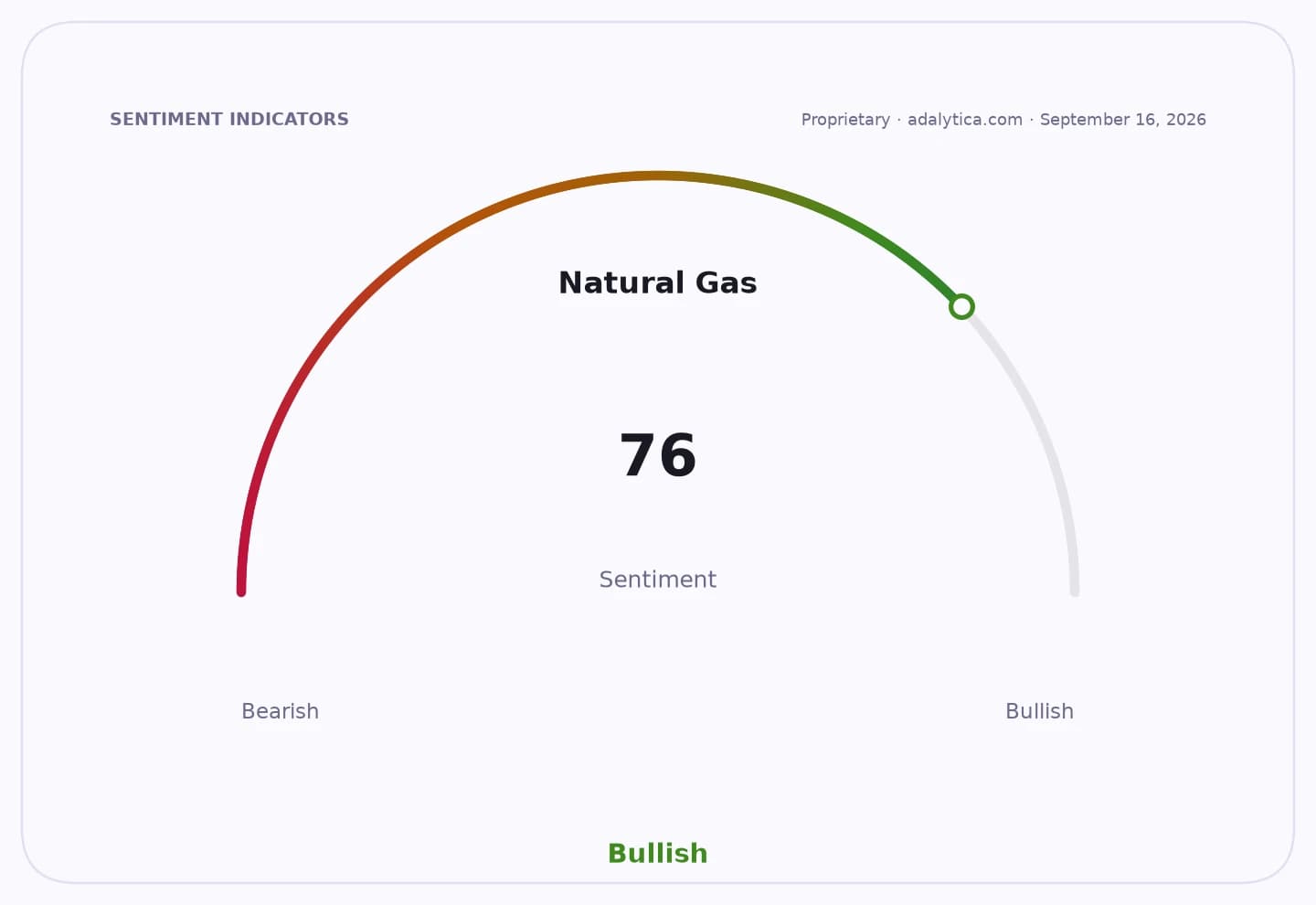
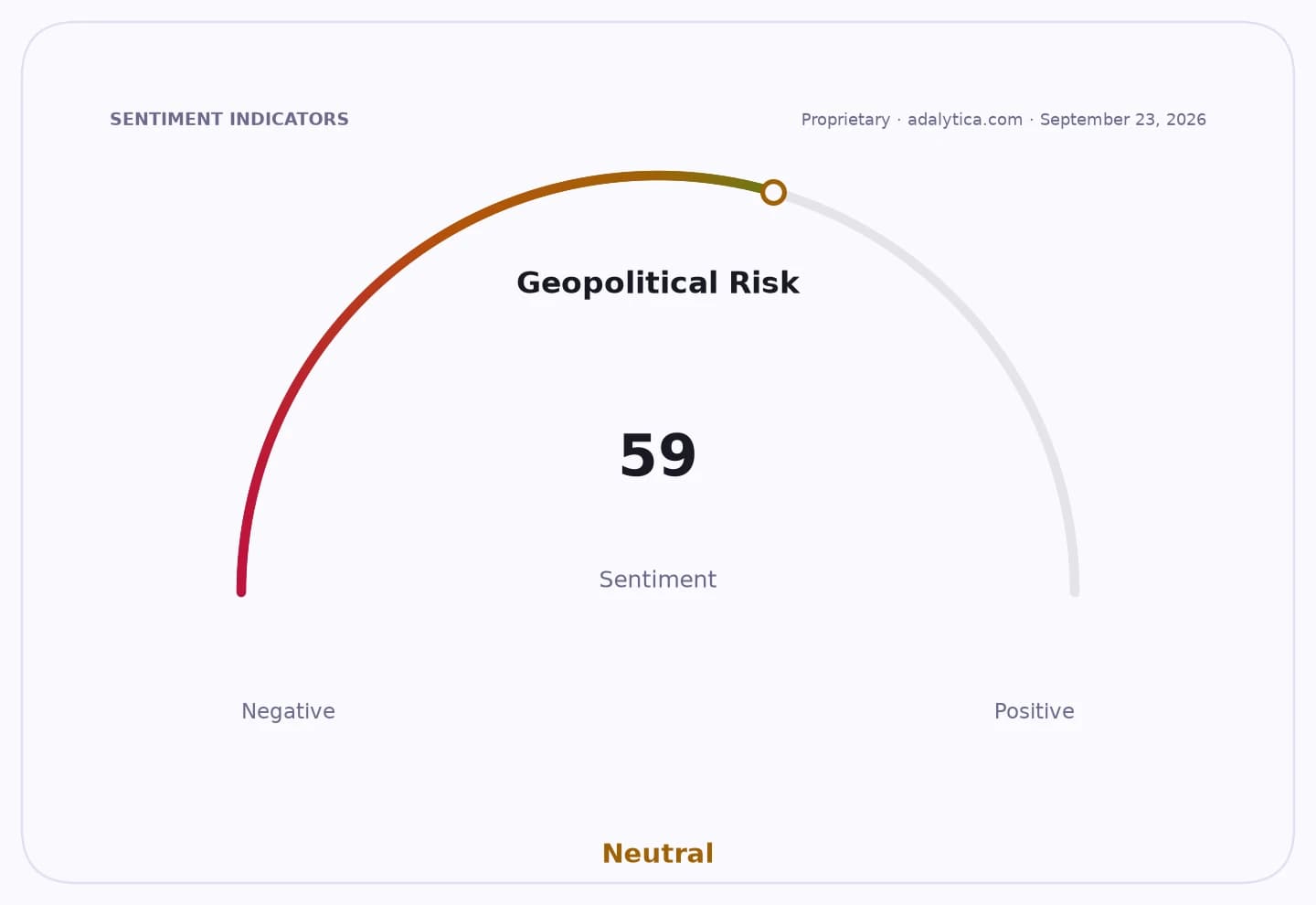
Sentiment IndicatorsⓘProprietary · adalytica.com · September 5, 2026
This is a snapshot — live sentiment, awareness and momentum for 130+ markets update continuously in the dashboard.Open AlphaPulse
That gap matters because gas storage remains the backbone of Europe’s energy security model. After the shock of Russia’s supply cuts, winter inventories became a key market variable, shaping everything from utility hedging to industrial power costs. A fuller Poland lowers the odds that Central Europe becomes a pressure point for emergency buying later this year, while also reinforcing the broader EU view that the bloc is better insulated than in the worst years of the energy crisis.
The European Commission said it sees no immediate threat to gas supply security before winter and noted that EU gas consumption is still 17% below pre-crisis levels. That decline is crucial. Lower demand means the same storage level goes further, reducing the need for panic bids into the spot market and helping cap the kind of price spikes that can squeeze manufacturers, utilities and consumers.
For investors, the message is straightforward: the market underestimates how much Europe’s gas balance has improved, even if storage is uneven. That supports a more selective view on energy exposure. Utilities with storage-heavy or regulated networks are better positioned than pure consumers of gas, while the biggest benefit accrues to industries sensitive to fuel costs and to countries able to avoid emergency purchases. At the same time, a stable winter outlook can keep pressure on gas volatility and weigh on the kind of extreme bullish trade that lifted gas-linked assets during prior shortages.
The bigger narrative is that Europe is not returning to abundance, but it is moving further away from crisis pricing. Poland’s lead shows where the margin of safety now lies: in countries that moved early, kept demand in check and used the post-crisis playbook to lock in supply before winter. If temperatures turn colder, storage will still matter. But for now, the supply picture suggests the next trade is less about shortage panic and more about who benefits from a calmer, cheaper winter.
| Entity | Gains | Losses |
|---|---|---|
| Poland | ▲Winter supply security | ▼Urgent spot buying |
| EU utilities | ▲Lower price volatility | ▼Crisis-premium margins |
| Gas consumers | ▲Cost relief | ▼Emergency fuel costs |
| Gas bulls | ▲— | ▼Shortage-driven upside |