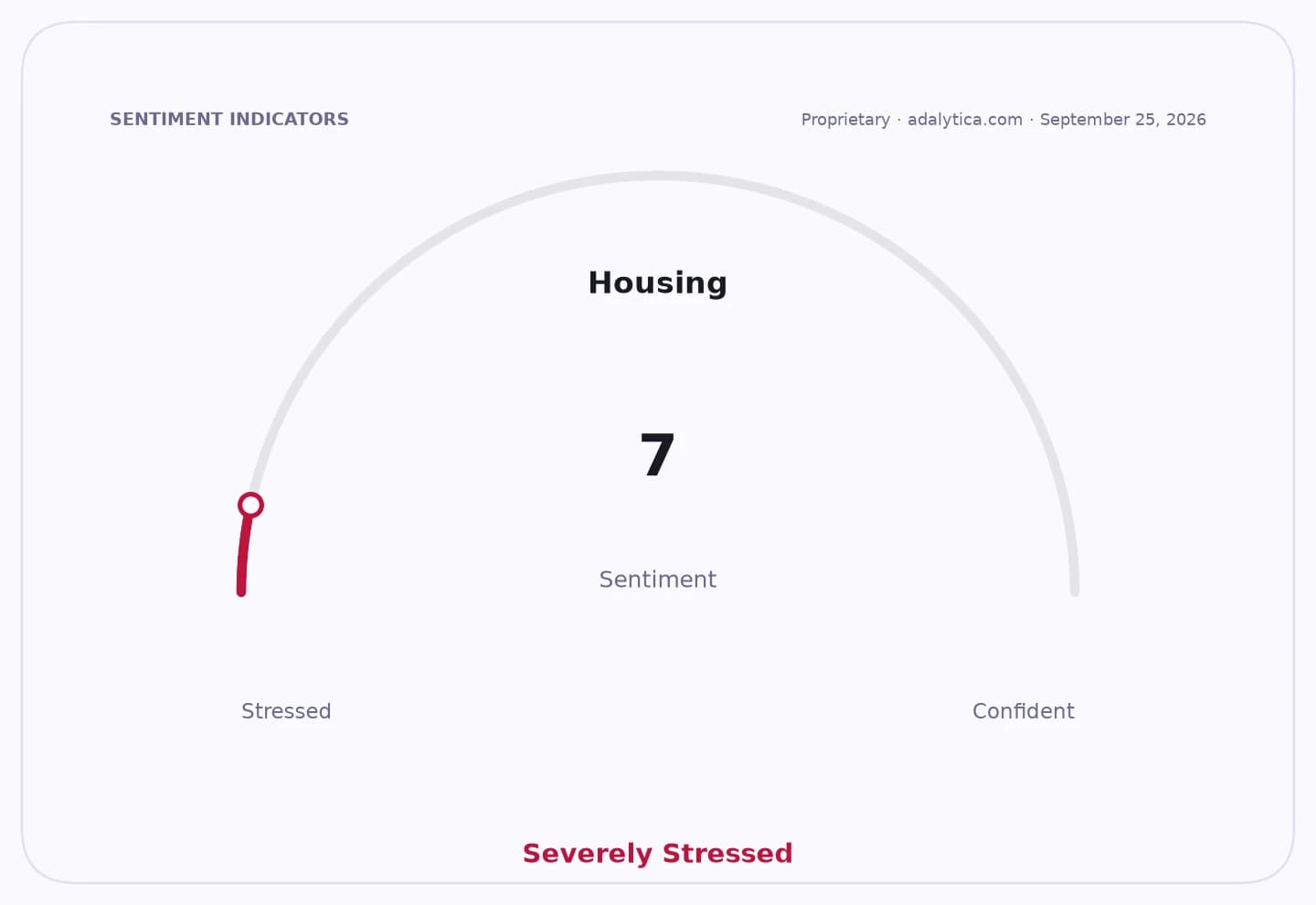
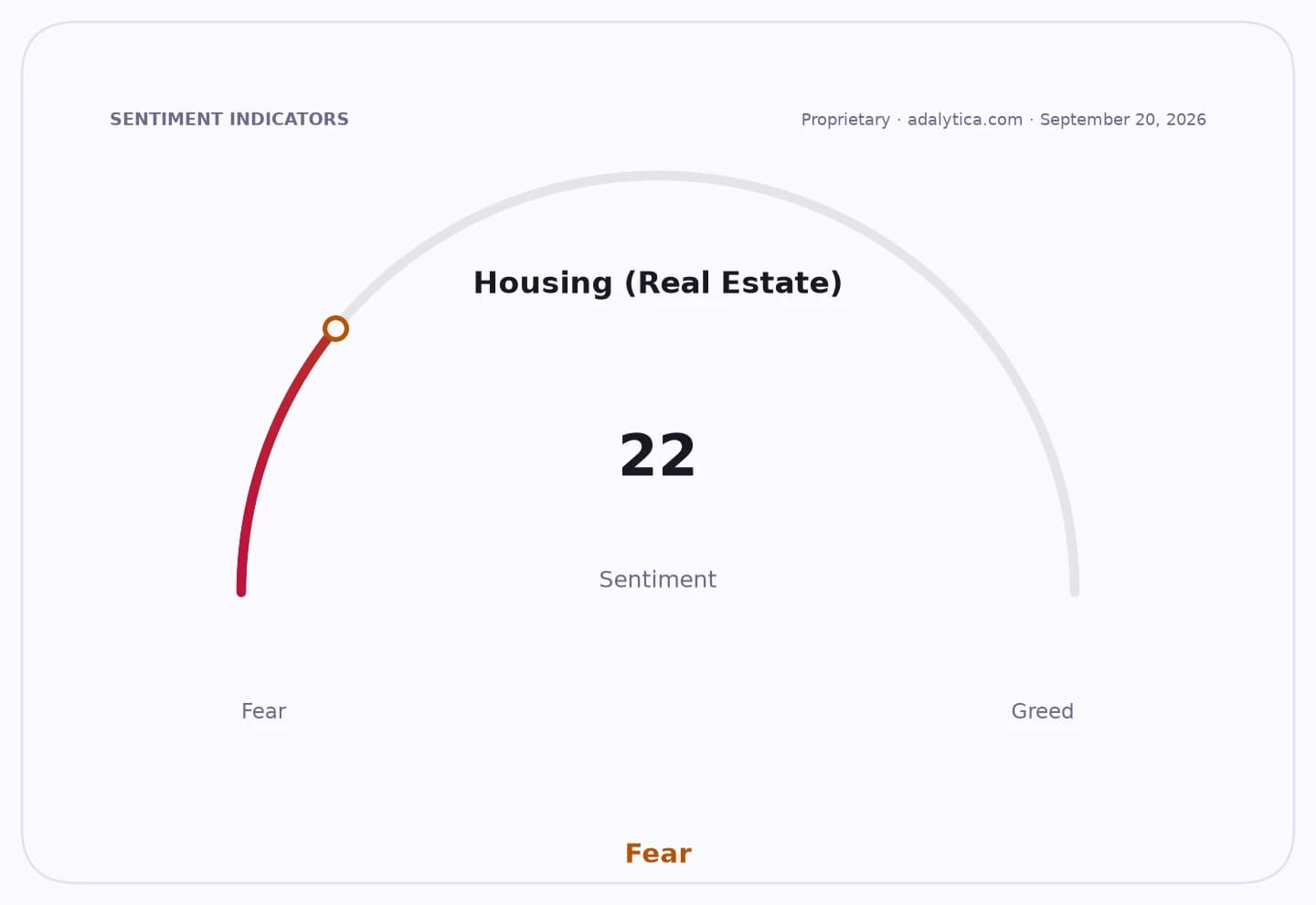
Poland is moving to broaden online access to land and mortgage register filings, a change that would make it easier for individuals and companies to submit property-related applications, but also preserve a paper backstop that limits how far the system can move away from manual processing.
Poland expands online land register filings

The draft law would extend the electronic filing channel beyond notaries and bailiffs to individuals, legal entities and other organizations with legal capacity, provided they have a secure online account and use a qualified electronic signature, trusted signature or personal signature. The biggest practical change is that applications for entries in the land and mortgage register could be filed online by a much wider group, while the courts would still require paper originals of supporting documents that do not exist in electronic form within three days.

That matters because the land register is the legal infrastructure behind property ownership, collateral and mortgage lending. Faster, more standardized filing should reduce administrative frictions in home purchases, refinancing and enforcement actions, and over time could lower transaction costs in Poland’s property market. It also fits a broader state effort to digitize judicial proceedings that began in 2016, suggesting the government is still pushing to modernize a process long criticized for being slow and document-heavy.
For lenders, developers and title-related service providers, the proposal points to a more efficient workflow, though the benefits will depend on how quickly the courts adapt and how much paper remains in the system. Banks and mortgage originators would likely welcome fewer bottlenecks in register updates, since delays can hold up disbursements, refinancing and security perfection. At the same time, the draft’s insistence that paper and electronic documents will not be converted into one another limits the degree of automation and means hybrid processing will remain necessary for years.

The reform is still in consultation and most changes would not take effect until around the turn of 2027 and 2028, so investors are unlikely to see an immediate revenue impact. But the direction is clear: Poland is trying to turn a core property registry into a more digital utility, with implications for housing market liquidity, credit processes and legal services efficiency. For markets, the key question is not whether the system becomes electronic, but how much of the old bureaucracy survives alongside it.
| Entity | Gains | Losses |
|---|---|---|
| Homebuyers and borrowers | ▲Faster filings | ▼Less manual support |
| Banks and mortgage lenders | ▲Quicker collateral updates | ▼Hybrid processing burden |
| Notaries, bailiffs, courts | ▲More efficient workflows | ▼Higher system adaptation costs |
| Paper-based administrators | ▲Fewer delays from digitization | ▼Reduced role over time |