Portugal’s 2027 budget will ease income-tax pressure by 431 million euros, but the relief is smaller than wage growth in the private sector and could still leave many workers paying more tax in real terms.
Portugal 2027 budget lifts IRS brackets 3.88%
That is the key investment and economic takeaway from the government’s decision to lift IRS income-tax brackets by 3.88% next year, while private-sector pay is expected to rise 4.5% under a social dialogue agreement. The gap means a classic fiscal drag problem: if salaries rise faster than tax thresholds, more income gets pushed into higher brackets even without a change in tax rates, quietly lifting the state’s take and reducing disposable income growth.
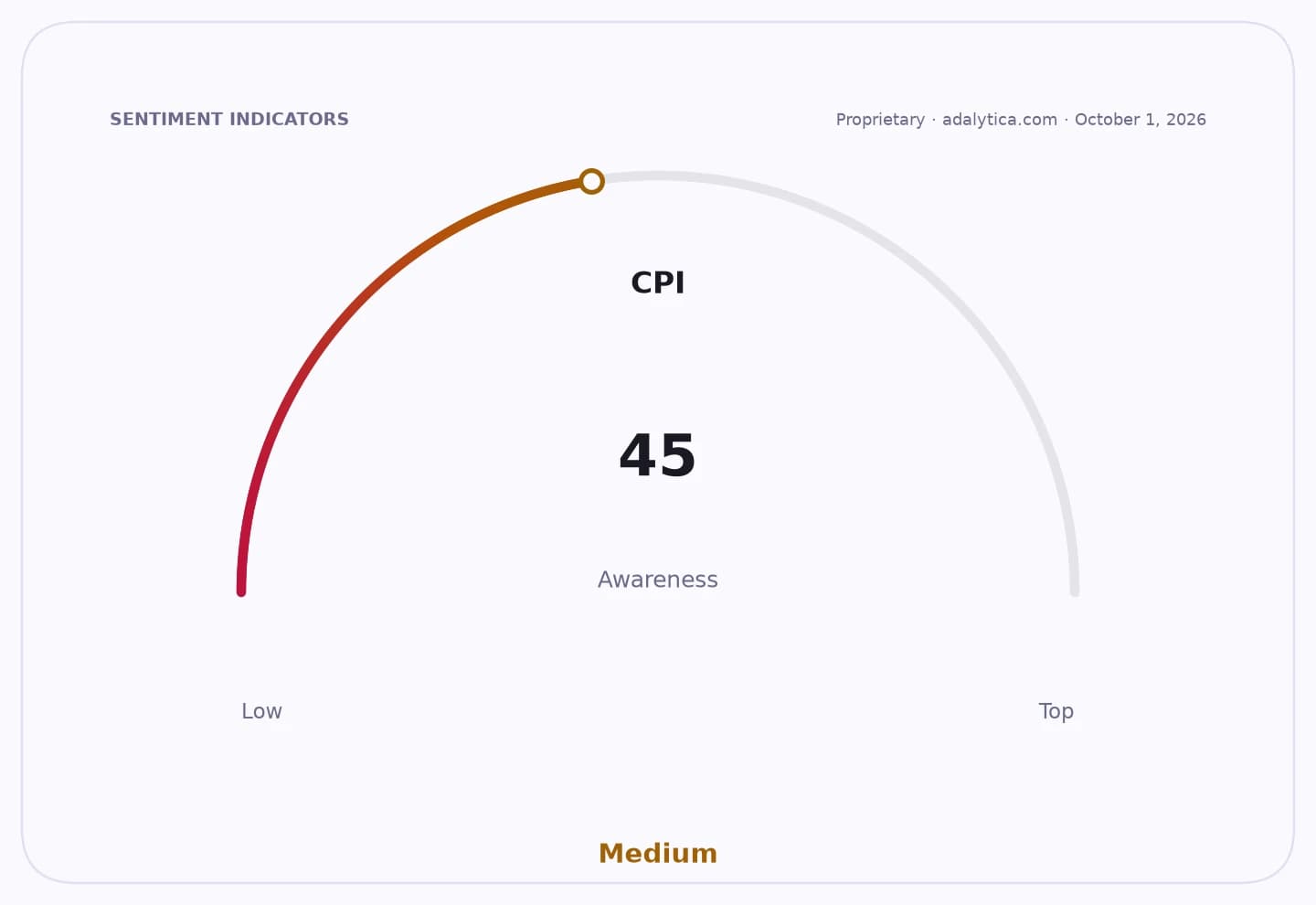
Sentiment IndicatorsⓘProprietary · adalytica.com · October 10, 2026
This is a snapshot — live sentiment, awareness and momentum for 130+ markets update continuously in the dashboard.Open AlphaPulse
For households, the apparent tax cut is therefore only partial. The budget also includes an update to the specific deduction — the portion of income that is exempt before tax is calculated — and the government says the two measures together will cost 431 million euros under its invariant-policy framework. But because the proposal does not spell out the specific deduction adjustment in the law text, the relief is less transparent than the headline figure suggests.
For investors, this matters because disposable income drives consumer spending, retail activity and broader domestic demand. If nominal wages outpace bracket indexation, the tax system absorbs part of the pay rise, limiting the boost to consumption. That is especially relevant for Portuguese retailers, utilities, telecoms, banks and other companies reliant on local spending, as well as for bond investors watching the balance between growth support and tax revenue preservation.
The politics are straightforward: Finance Minister Joaquim Miranda Sarmento is pitching the budget as the sixth tax easing since the PSD and CDS-PP took power, reinforcing a pro-household, pro-growth stance. Economically, though, the design still leaves room for higher effective taxation on workers whose salary increases exceed 3.88%, especially in a labour market where nominal pay gains have been running above that pace.
The market implication is that this is not a broad demand shock, but a marginal support measure that should help keep household consumption from weakening too sharply. In other words, the budget cushions the economy rather than supercharging it. The bigger story is that Portugal is choosing to maintain automatic IRS indexation while still collecting a bit more revenue through bracket creep — a compromise that keeps fiscal policy supportive without fully neutralizing inflation and wage gains.
For investors, the best read-through is selective: domestic-demand names may see some help, but the upside is capped by the smaller-than-wage-growth tax adjustment. The real beneficiaries are households with lower to middle incomes, while the losers are the state’s tax base and, to a lesser extent, workers whose raises are partly offset by higher IRS bills. Watch for the next round of budget detail, because the exact deduction and minimum-existence changes will determine whether this remains a modest tax relief story or turns into a larger boost to Portuguese consumption.
| Entity | Gains | Losses |
|---|---|---|
| Portuguese households | ▲Higher take-home pay | ▼Partial fiscal drag |
| Domestic retailers | ▲Steadier consumer demand | ▼Limited spending uplift |
| Portuguese state budget | ▲Political support | ▼431 million euro revenue hit |
| Wage earners above 3.88% raises | ▲Some tax relief | ▼Higher effective IRS burden |