Portugal’s finance minister said public debt must remain the country’s “main concern” even as the government sees the ratio falling below 85% of GDP in 2027, underscoring that Lisbon is prioritizing credibility and borrowing costs over fresh fiscal stimulus.
Portugal Debt Falls Below 85% of GDP by 2027

Miranda Sarmento’s comments frame the 2027 budget as a continuation of Portugal’s deficit-reduction and debt-downtrend strategy rather than a spending-heavy pivot, a stance that matters in a Europe where sovereign balance-sheet stress remains a live risk. The government is forecasting the economy will grow 2.3% this year and 2.1% in 2027, with a balanced budget in 2026 and a 0.1% surplus in 2027.
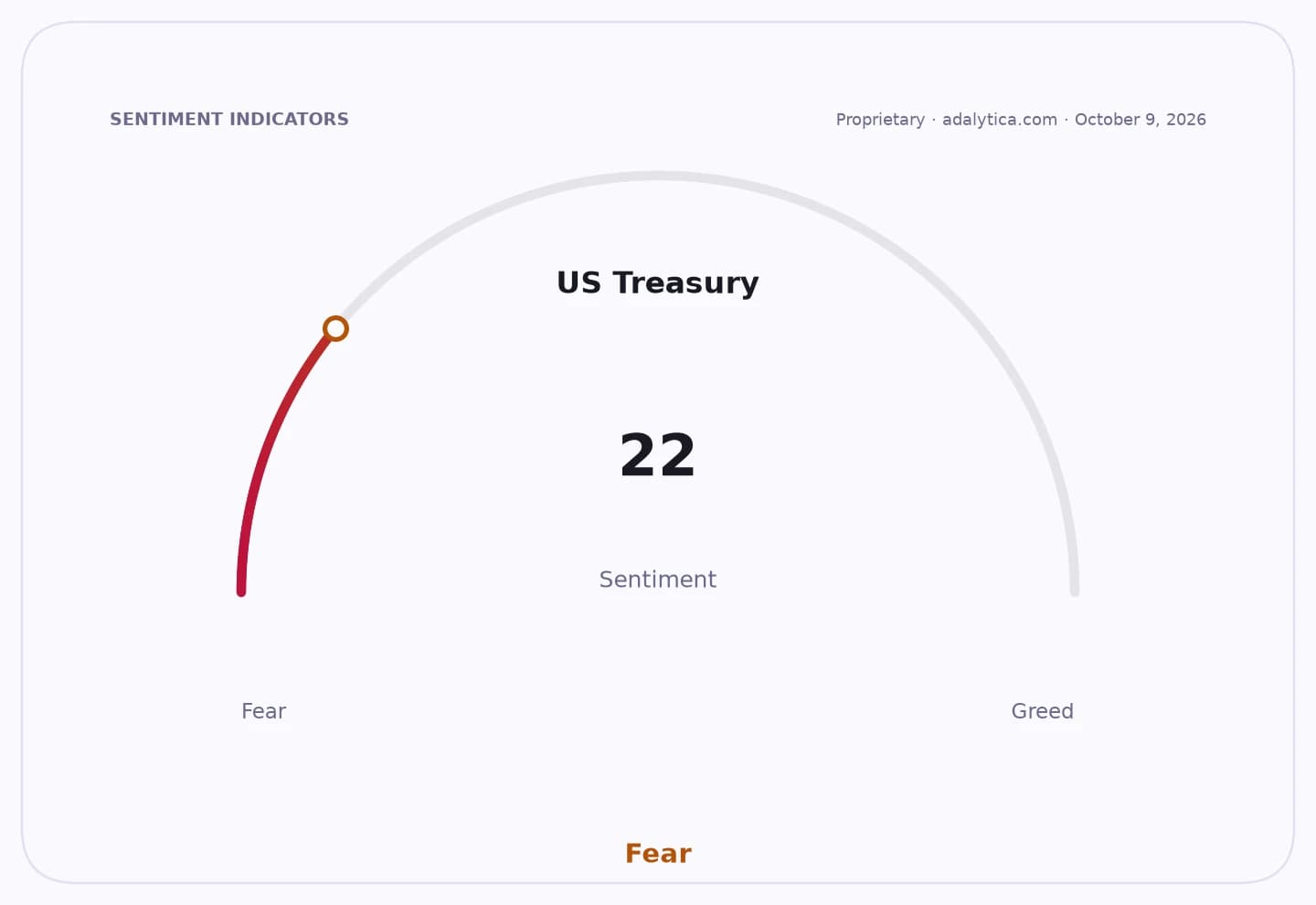
Sentiment IndicatorsⓘProprietary · adalytica.com · October 14, 2026
This is a snapshot — live sentiment, awareness and momentum for 130+ markets update continuously in the dashboard.Open AlphaPulse
Sarmento said Portugal has cut debt by about four percentage points in recent years and is now ahead of the path it presented to the European Commission in its medium-term fiscal plan. He said the faster decline has helped lift the country’s credit standing, with five rating upgrades, and put Portugal among the EU’s top three countries for debt reduction between 2023 and 2025.
For investors, that combination of falling debt, a small primary surplus and steady growth supports Portugal’s spread over German bunds even as euro-area yields have risen. Sarmento said Portugal’s borrowing costs have climbed in recent months, but its spread versus Germany has stayed broadly unchanged, arguing the move reflects market risk rather than country-specific stress.
The budget itself is light on policy surprises. Sarmento said the 2027 draft “does not have novelties,” and noted the absence of so-called budget riders, or non-financial provisions often attached to finance bills. He also said export growth has recovered and should continue next year, while public investment will ease slightly in 2027 as recovery-fund spending linked to the EU’s post-pandemic plan fades.
The message to bondholders is clear: Portugal is betting that fiscal discipline will preserve market access and keep ratings momentum intact, even if it limits room for short-term fiscal giveaways. The next catalyst is parliament’s debate later this month, with a general vote due Oct. 27-28 and final passage scheduled for Nov. 24.
| Entity | Gains | Losses |
|---|---|---|
| Portugal government | ▲stronger credibility | ▼room for fiscal largesse |
| Bond investors | ▲steadier sovereign spreads | ▼upside from easier issuance |
| Ratings agencies | ▲fiscal discipline case | ▼fewer downgrading pressures |
| Public spending advocates | ▲— | ▼tighter budget priorities |